
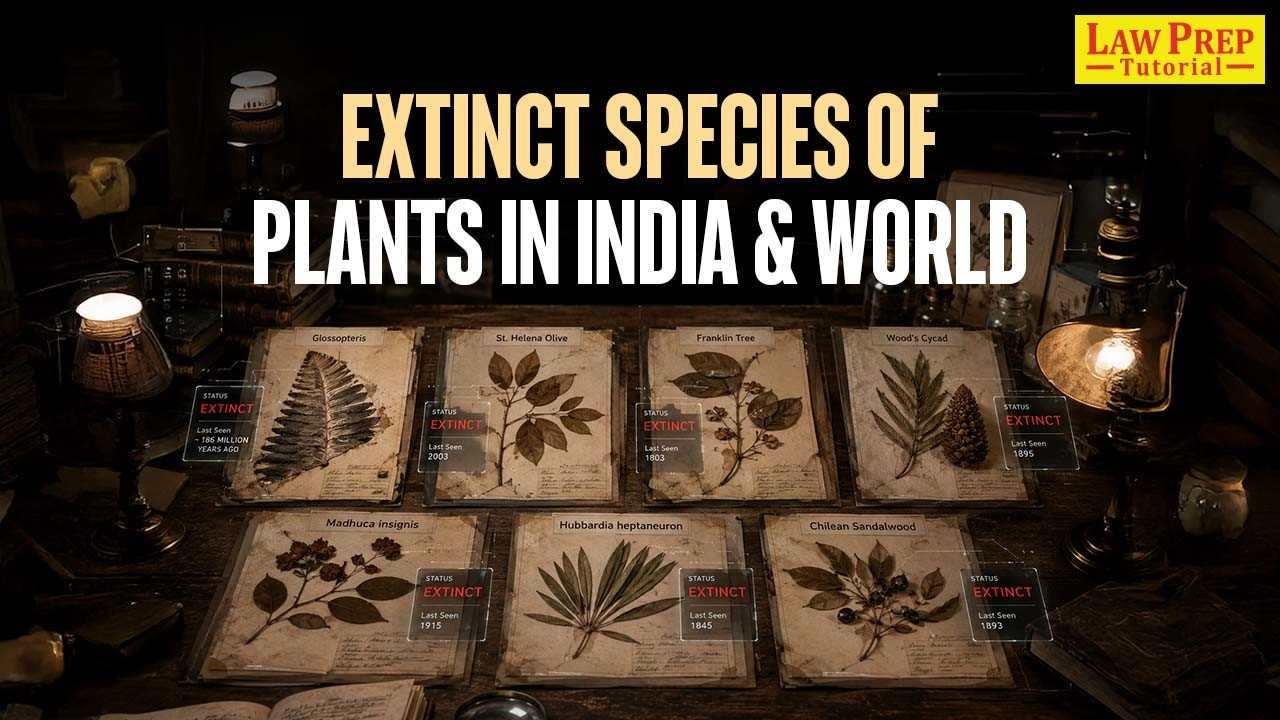

Plants silently support life around us. They give us oxygen, food, medicines, shelter, and help maintain the balance of ecosystems, yet many species disappear without receiving attention. The loss of plant species like Saint Helena Olive, Toromiro Tree, and Franklin Tree reminds us that extinction is not only about losing a plant but also losing a part of nature’s history forever.
Many more species continue moving toward the same risk. Learning about the extinct species of plants matters because every disappearing plant weakens the environment around us.
Let’s explore the extinct plants list, causes of extinction, and why protecting plant diversity has become important.
What Are Extinct Species of Plants?
Extinct plants are plant species that no longer exist anywhere on Earth because no living individuals of that species remain alive. When the last surviving plant of a species disappears completely, it becomes an extinct plant species.
Plant extinction happens because of deforestation, habitat destruction, climate change, pollution, and human activities. Many plants disappear before people even realize their ecological value.
Some examples of extinct plants in India include Hubbardia heptaneuron, Madhuca insignis, and Ceropegia lucida, which faced severe threats because of changing habitats and environmental pressures.
Extinct Plant Species in the World
These are the top 20 extinct species of plants in the world:
| Plant Species | Native Region | Status | Main Cause of Extinction |
| Saint Helena Olive | Saint Helena | Extinct | Habitat loss, fungal infection |
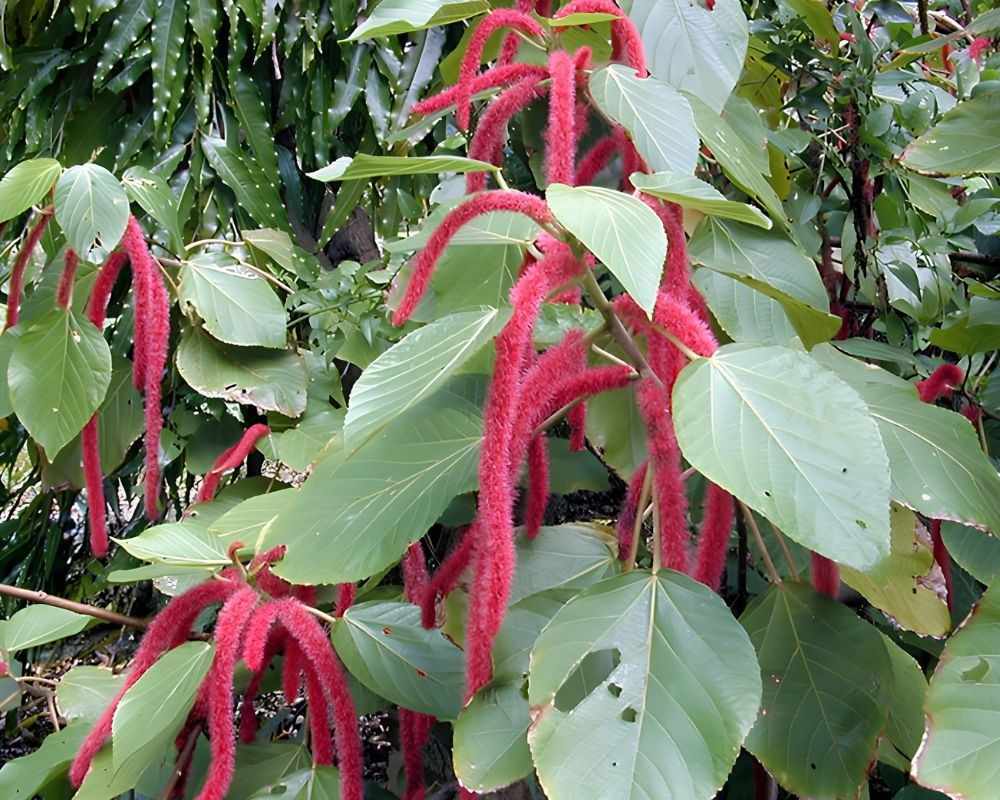
| Acalypha rubrinervis | Saint Helena | Extinct | Deforestation |
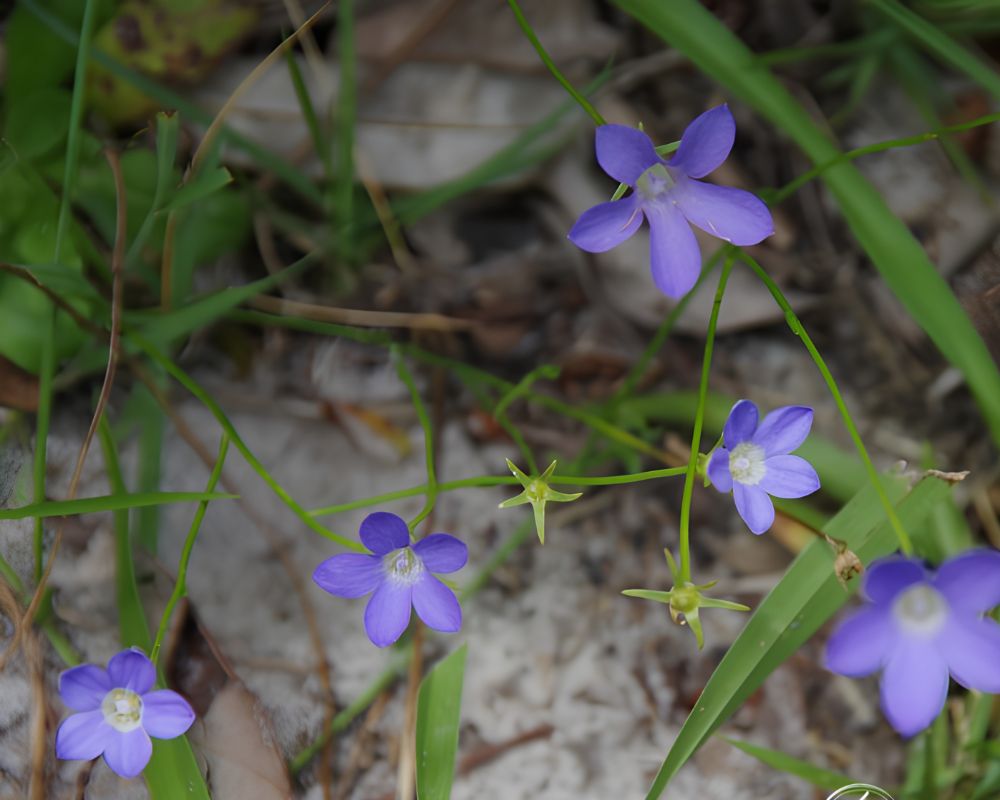
| Wahlenbergia roxburghii | Saint Helena | Extinct | Habitat destruction |
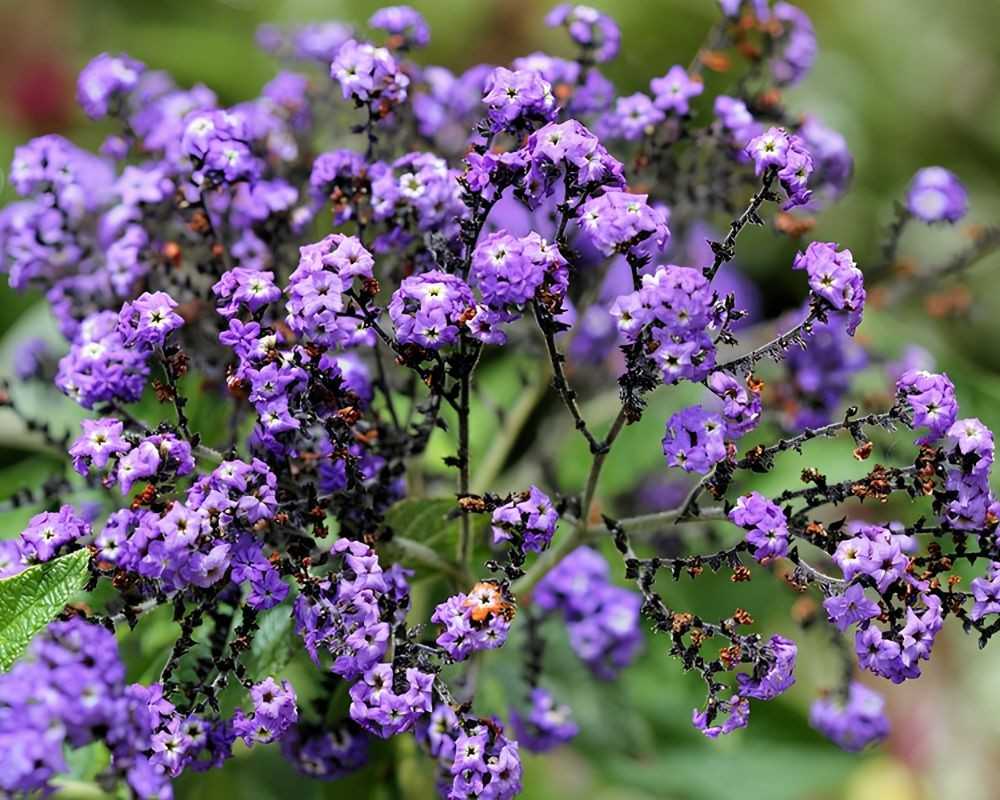
| Heliotropium pannifolium | Saint Helena | Extinct | Human disturbance |
| Amaranthus brownii | Hawaii | Extinct | Habitat degradation |
| Viola cryana | France | Extinct | Limestone quarrying |
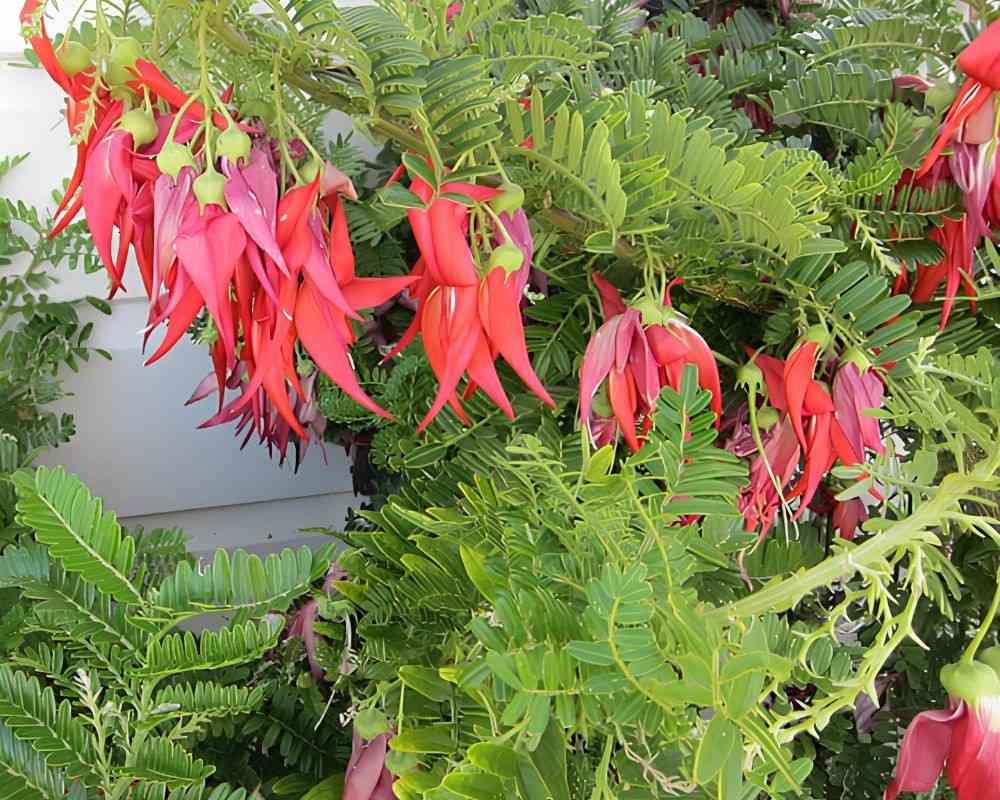
| Phillip Island Glory Pea | Australia | Extinct | Grazing animals |
| Hibiscadelphus wilderianus | Hawaii | Extinct | Deforestation |
| Delissea undulata | Hawaii | Extinct | Habitat destruction |
| Oldenlandia adscensionis | Ascension Island | Extinct | Introduced species |
| Kokia lanceolata | Hawaii | Extinct in the Wild | Habitat loss |
| Franklin Tree | United States | Extinct in the Wild | Unknown ecological causes |
| Toromiro Tree | Easter Island | Extinct in the Wild | Deforestation |
| Encephalartos woodii | South Africa | Extinct in the Wild | Habitat destruction |
| Lysimachia minoricensis | Spain | Extinct in the Wild | Habitat degradation |
| Trochetiopsis erythroxylon | Saint Helena | Extinct in the Wild | Overexploitation |
| Cyanea arborea | Hawaii | Extinct | Habitat loss |
| Melicope obovata | Hawaii | Extinct | Environmental changes |
| Trilepidea adamsii | New Zealand | Extinct | Habitat disturbance |
| Lepidium obtusatum | New Zealand | Extinct | Invasive species |
Note: Extinct means the plant no longer exists anywhere on Earth, while Extinct in the Wild (EW) means it survives only in botanical gardens, seed banks, or controlled environments.
1. Saint Helena Olive
The Saint Helena Olive was a small flowering tree native to Saint Helena Island in the South Atlantic Ocean. It is one of the most well-known modern plant extinctions because scientists witnessed its final years. Human settlement, deforestation, and the introduction of foreign species slowly damaged its habitat.
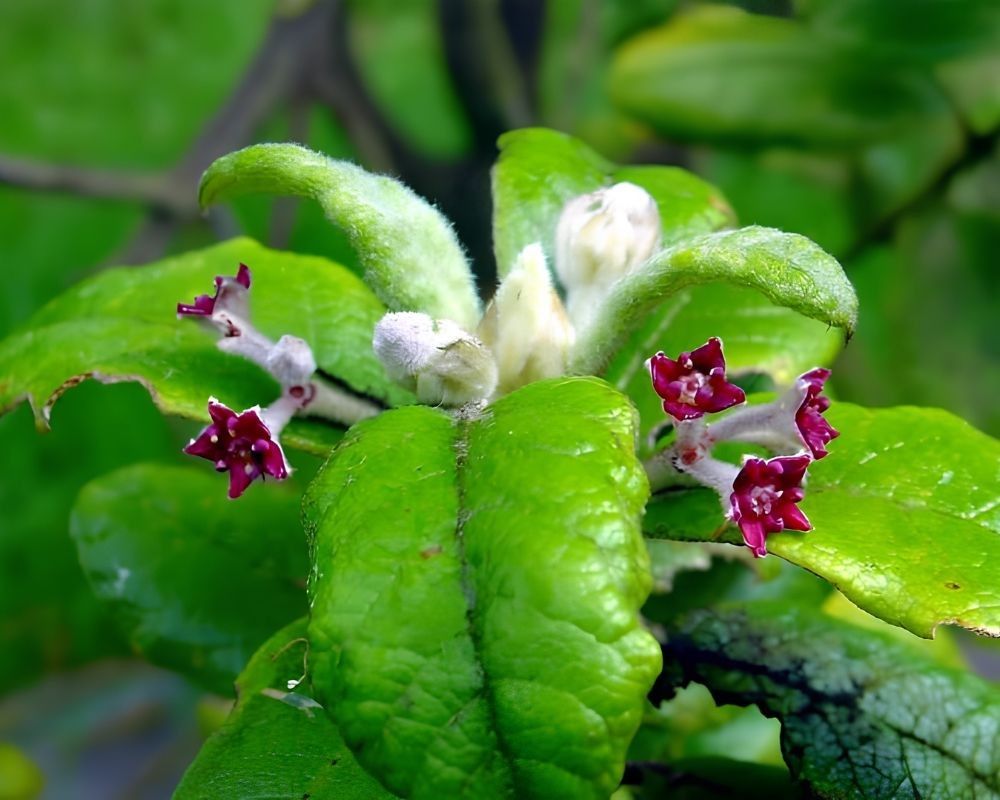
The last known tree survived under human care, but pollination problems and disease prevented successful reproduction. The final surviving specimen died in 2003. Its story reminds us that even conservation efforts sometimes arrive too late.
2. Amaranthus brownii
Amaranthus brownii was a rare flowering plant found only on small islands in Hawaii. The species grew in coastal environments and depended heavily on stable natural conditions. Human activities, habitat disturbance, and the spread of invasive species reduced its population over time.
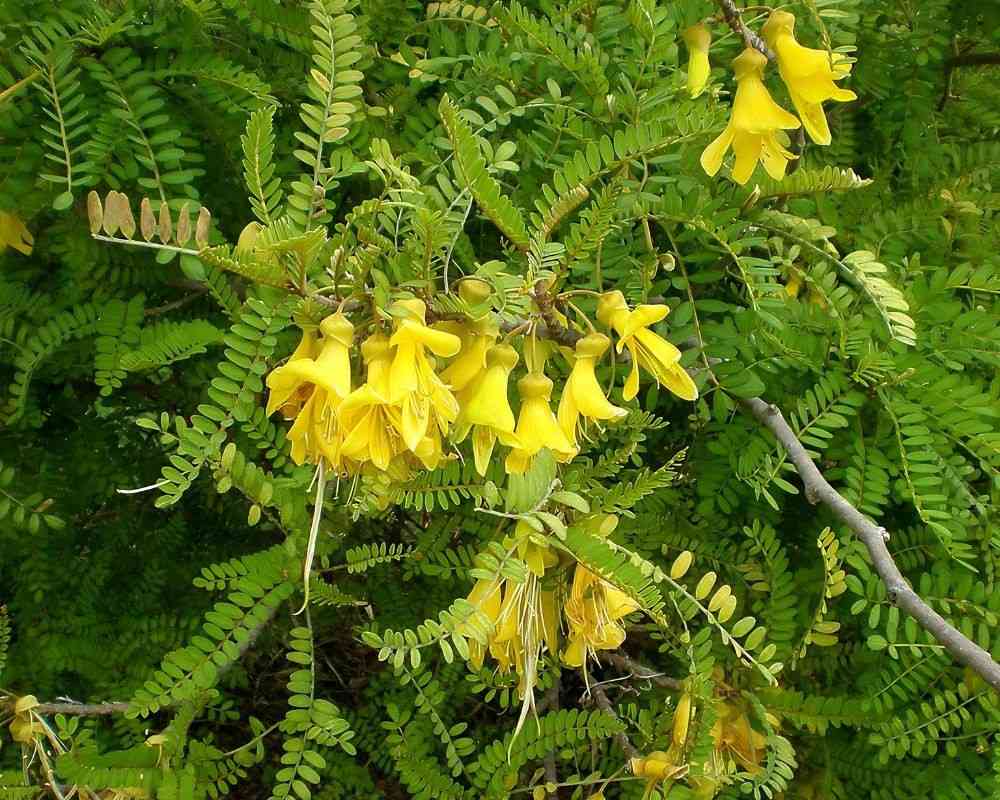
Since the plant existed in a very restricted area, even small environmental changes had major effects. Eventually, no living population remained. It is considered a strong example of how isolated species can disappear quickly when ecosystems are disturbed.
3. Viola cryana
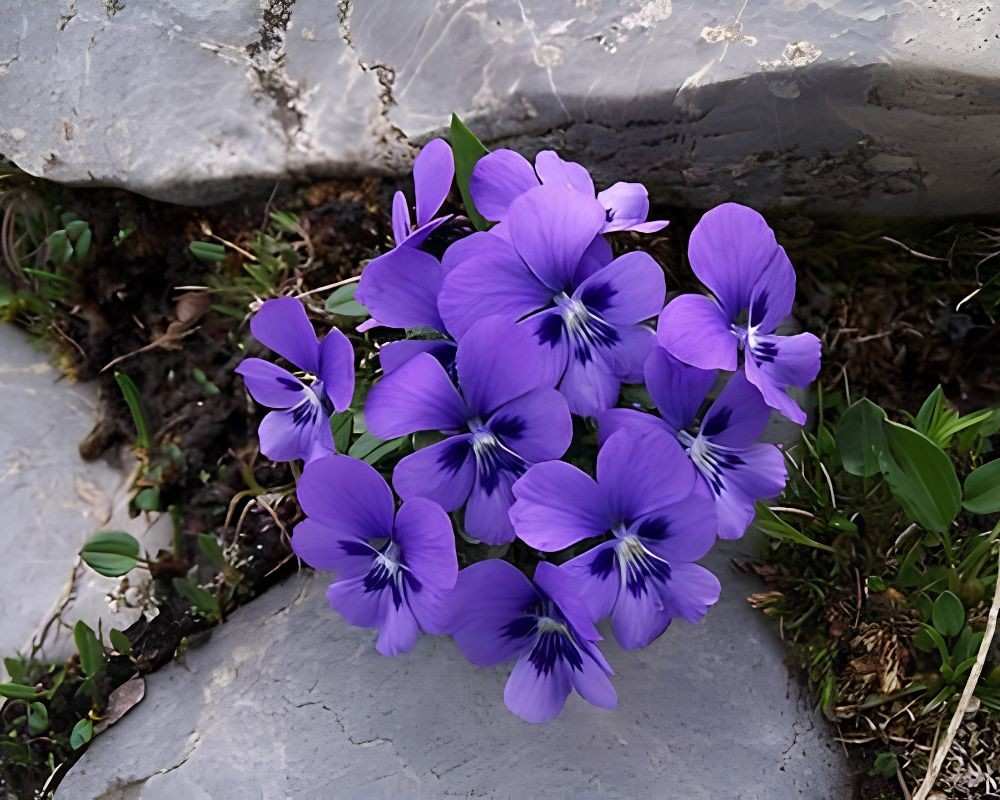
Viola cryana, commonly known as Cry Violet, was a beautiful violet species found in limestone regions of France. It became famous because industrial activities changed its habitat significantly. Quarrying operations damaged the land where it naturally grew and reduced its ability to survive.
Unlike plants spread across large areas, this species had a very limited distribution range. Scientists consider its extinction an important lesson about the environmental impact of industrial development on biodiversity.
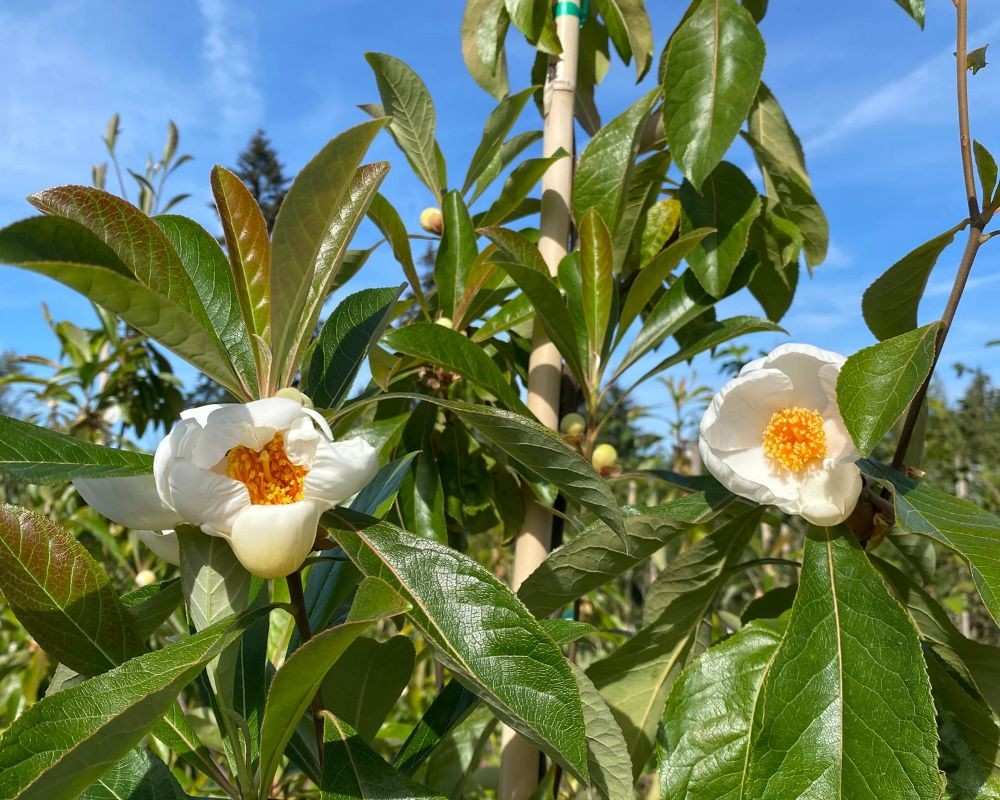
4. Franklin Tree
The Franklin Tree has a unique and unusual story because it is not completely extinct. It is classified as extinct in the wild, which means it no longer survives naturally in forests but still exists through cultivation by humans.
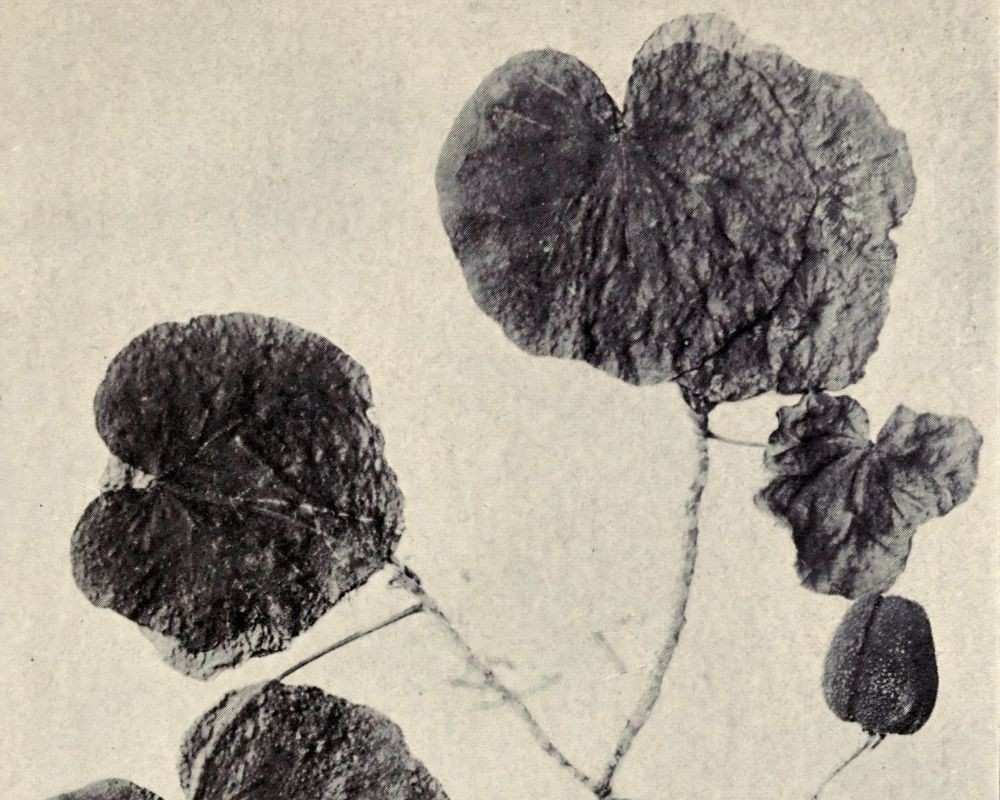
Native to the United States, it disappeared from natural habitats in the early nineteenth century. Scientists are still uncertain about the exact reason behind its disappearance, though disease and environmental changes are considered possible causes. Today, every Franklin Tree living around the world comes from cultivated descendants.
5. Toromiro Tree
The Toromiro Tree originally grew on Easter Island and was important to local communities because its wood was used for tools and cultural activities. Large-scale deforestation and human settlement gradually destroyed the forests where it survived. The species eventually disappeared from natural habitats and is now considered extinct plant in the wild.
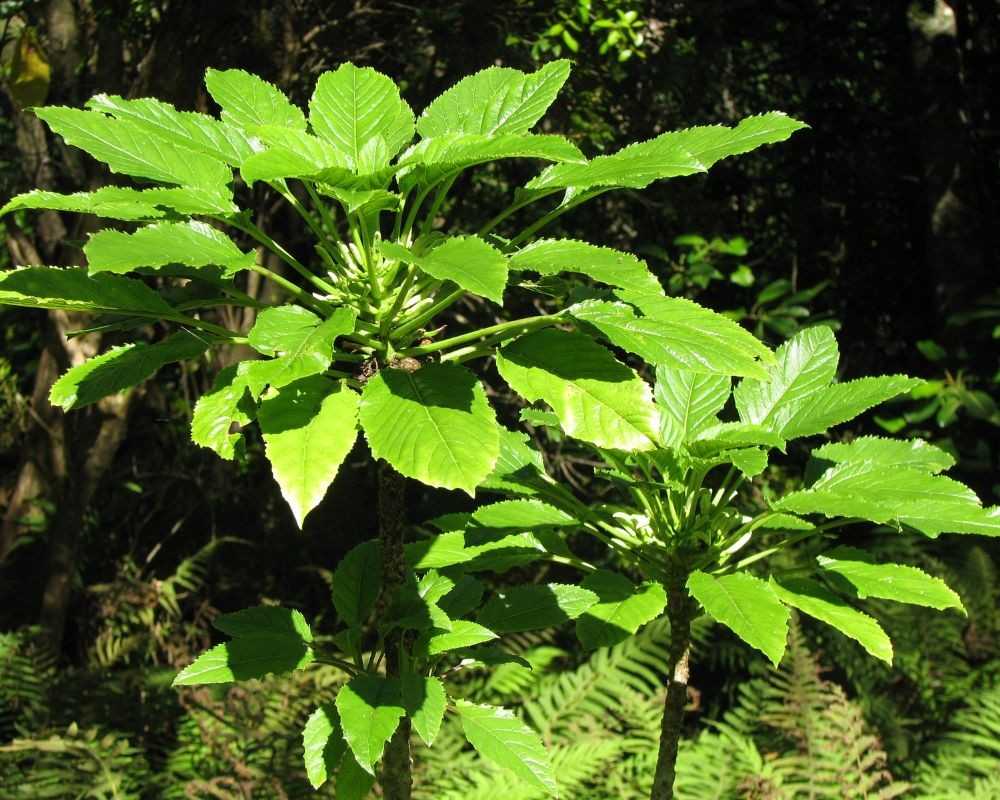
Scientists and conservation groups continue trying to restore populations through cultivated specimens. Its disappearance is connected with the environmental collapse historically associated with Easter Island.
6. Encephalartos woodii
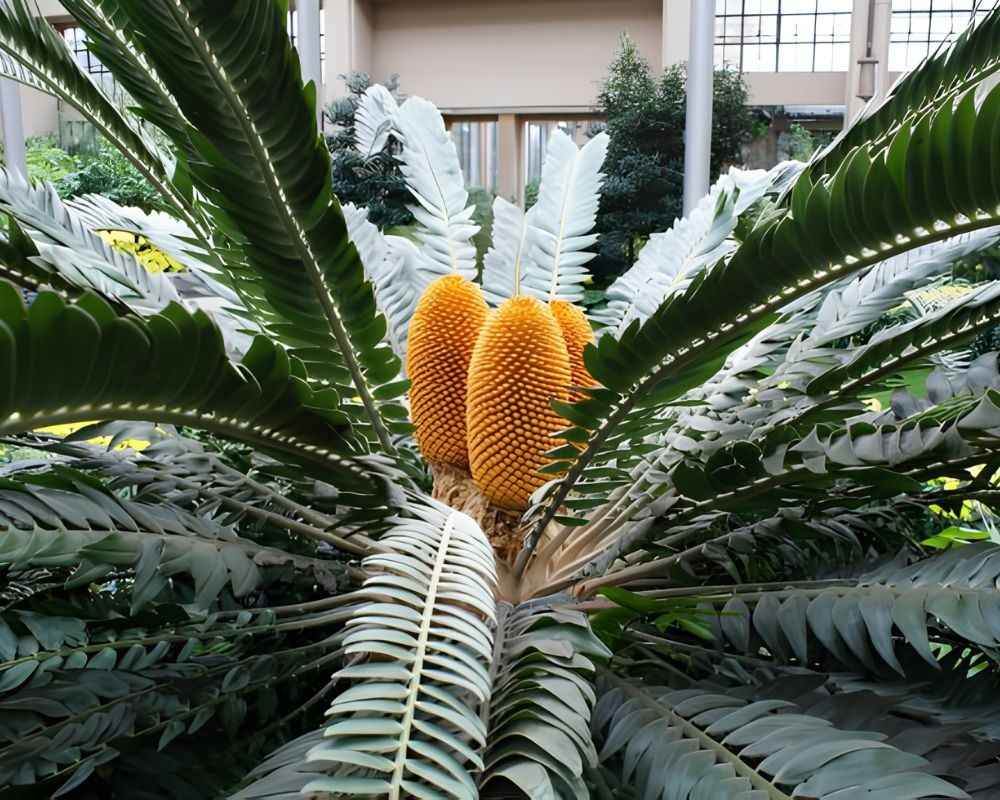
Encephalartos woodii is one of the rarest plants discussed in conservation studies. It belongs to an ancient group of plants called cycads, referred to as “living fossils.” The species disappeared from its natural habitat in South Africa because of habitat destruction and overcollection.
A remarkable fact about this plant is that all existing specimens today are believed to be genetically identical clones of a single original plant. Scientists continue searching for ways to preserve its lineage.
7. Lysimachia minoricensis
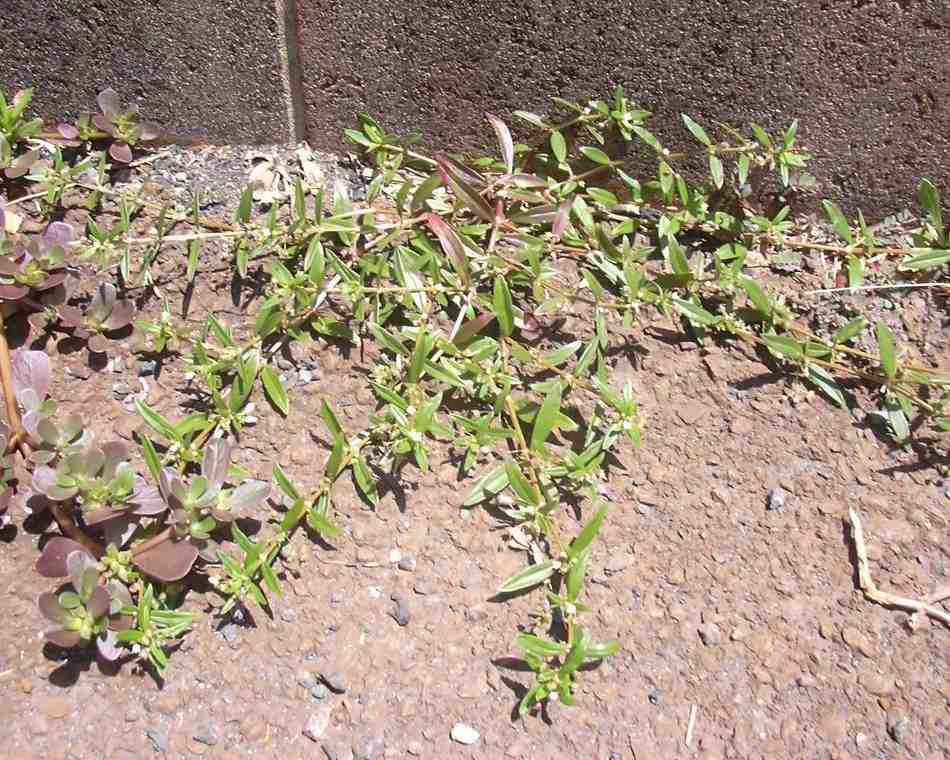
Lysimachia minoricensis was native to Spain and later disappeared from natural habitats. Although scientists preserved it through botanical gardens, it failed to establish itself successfully in the wild again.
Environmental changes and habitat disturbances were among the main reasons for its decline. The species shows that conservation does not end with preserving seeds or cultivated plants; restoring natural ecosystems is equally important.
8. Acalypha rubrinervis
Acalypha rubrinervis was a flowering plant native to Saint Helena Island. It became extinct mainly because of habitat destruction and changes caused by human settlement. Since it grew in a limited geographical area, even small environmental disturbances had a major effect on its survival.
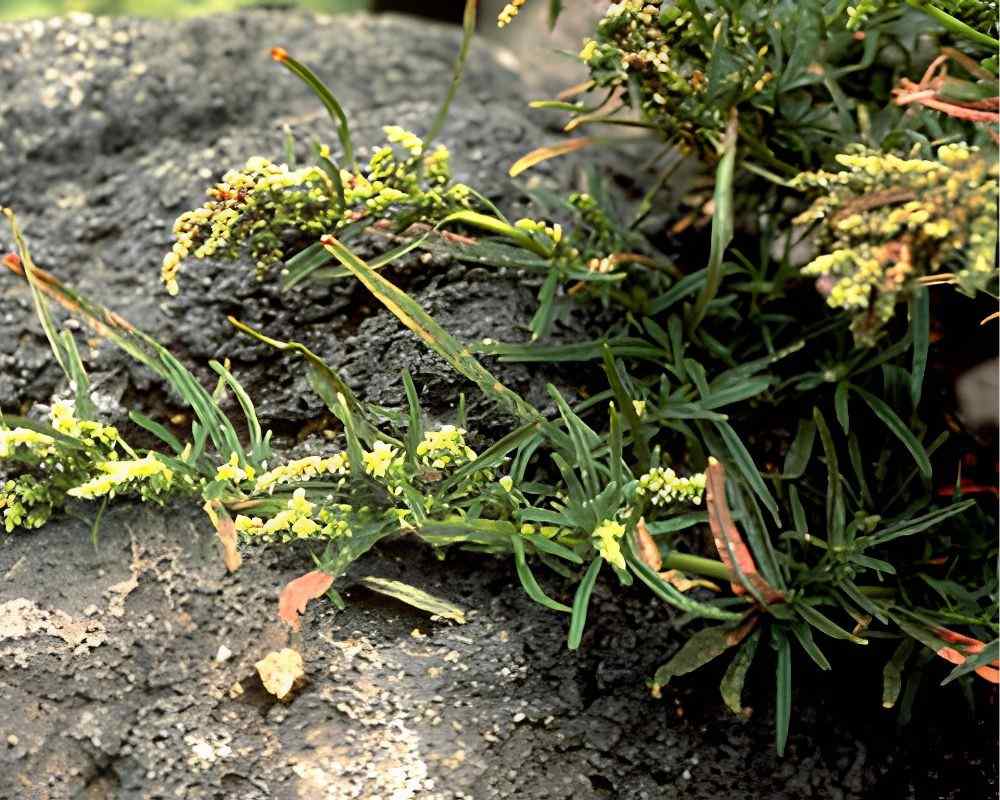
Scientists consider it an example of how island species often face higher extinction risks because they have small populations and fewer chances to adapt when their environment changes.
9. Wahlenbergia roxburghii
Wahlenbergia roxburghii was another plant species native to Saint Helena Island. It disappeared after natural habitats were heavily modified by human activities. Expansion of agriculture and the introduction of non-native species created competition for resources and affected plant growth.
This species is important in conservation studies because it highlights how environmental changes can quietly eliminate plant populations without receiving much attention.
10. Heliotropium pannifolium
Heliotropium pannifolium was a rare flowering plant that grew in restricted habitats and gradually disappeared because of environmental disturbance. Habitat modification, changing land use patterns, and ecosystem damage contributed to its decline.
Species like this receive less attention compared to animals, even though plants are the foundation of ecosystems. Their extinction affects insects, birds, and many other organisms dependent on them.
11. Phillip Island Glory Pea
Phillip Island Glory Pea was a striking flowering plant found on Phillip Island near Australia. The species declined rapidly because grazing animals damaged vegetation and disturbed its habitat.
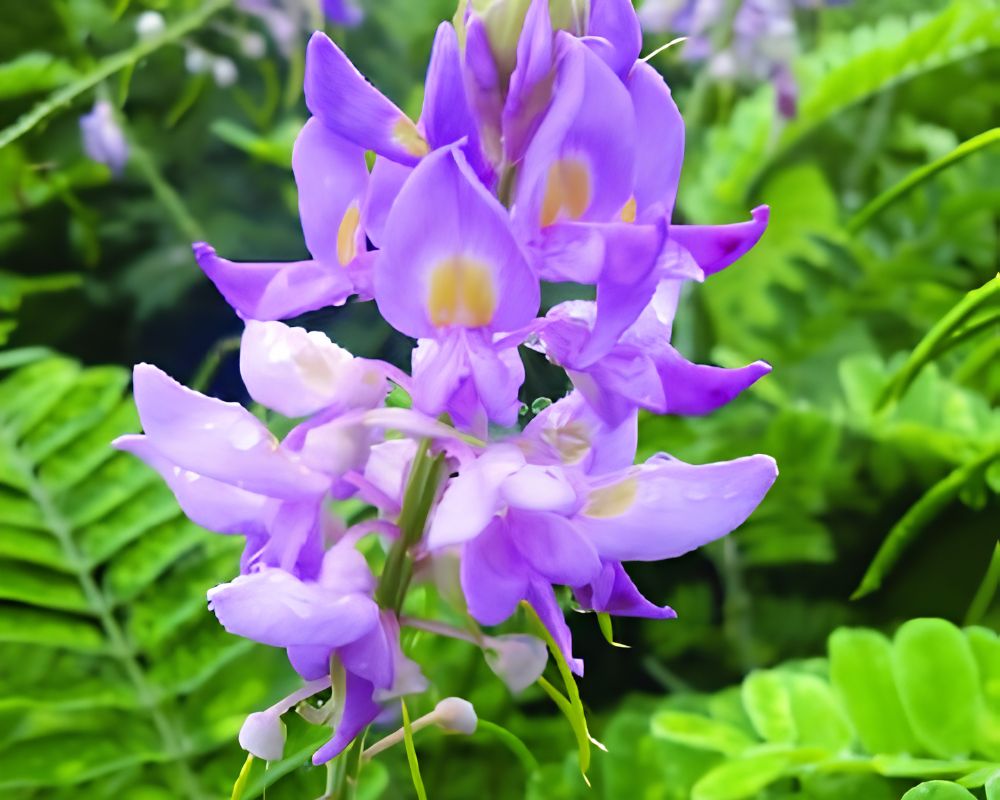
Small island ecosystems become highly vulnerable because introduced species can quickly affect local biodiversity. Conservation researchers frequently study this plant as an example of how invasive species can contribute to extinction.
12. Hibiscadelphus wilderianus
Hibiscadelphus wilderianus belonged to a rare group of flowering trees found in Hawaii. It became extinct because of habitat destruction and environmental changes affecting native forests.
Hawaii has experienced many plant extinctions because numerous species evolved only in isolated environments and could not adapt to rapid ecological changes. The plant’s extinction demonstrates how biodiversity-rich islands require strong conservation measures.
13. Delissea undulata
Delissea undulata was a Hawaiian plant species that suffered from habitat loss and ecological disturbances. Human settlement and the spread of invasive plants reduced the areas where it naturally survived.
Scientists use Hawaiian plant extinctions to understand how environmental pressure can affect species with very limited distributions. Preserving habitats is considered essential for preventing similar losses.
14. Oldenlandia adscensionis
Oldenlandia adscensionis was a small plant species native to Ascension Island. Human settlement and introduced species significantly affected the ecosystem where it grew.
Over time, changes in land conditions and competition from invasive plants reduced its population until it disappeared completely. Its extinction highlights how fragile isolated ecosystems can be.
15. Kokia lanceolata
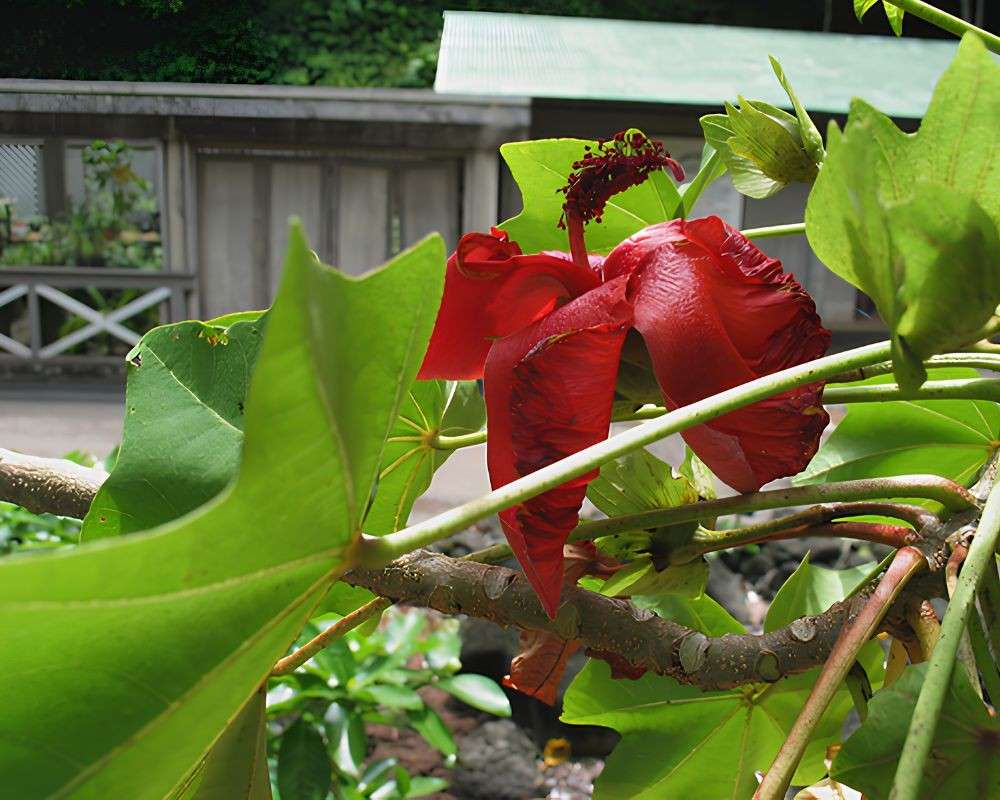
Kokia lanceolata is classified as extinct in the wild and survives only through cultivation. Native to Hawaii, this tree experienced severe habitat reduction due to environmental changes and human activities.
Conservationists have worked to preserve it using controlled propagation techniques. The species shows how scientific intervention can sometimes prevent complete extinction.
16. Trochetiopsis erythroxylon
Trochetiopsis erythroxylon, commonly associated with Saint Helena, experienced significant population decline because of overexploitation and habitat destruction. Although the species disappeared from natural conditions, conservation efforts helped preserve cultivated populations. It serves as an example of how human intervention can influence the future of rare plant species.
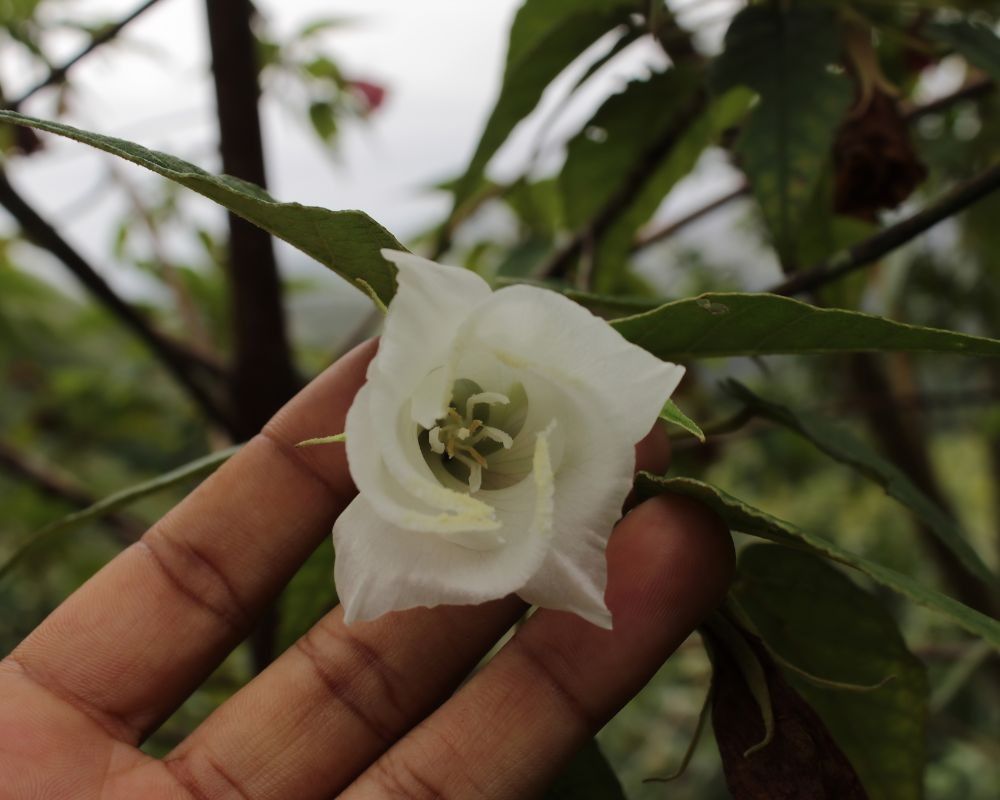
17. Cyanea arborea
Cyanea arborea was part of Hawaii’s unique plant biodiversity and disappeared because of habitat changes and invasive species. Native plants on islands often evolve under very specific conditions, making them highly vulnerable to environmental disturbances.
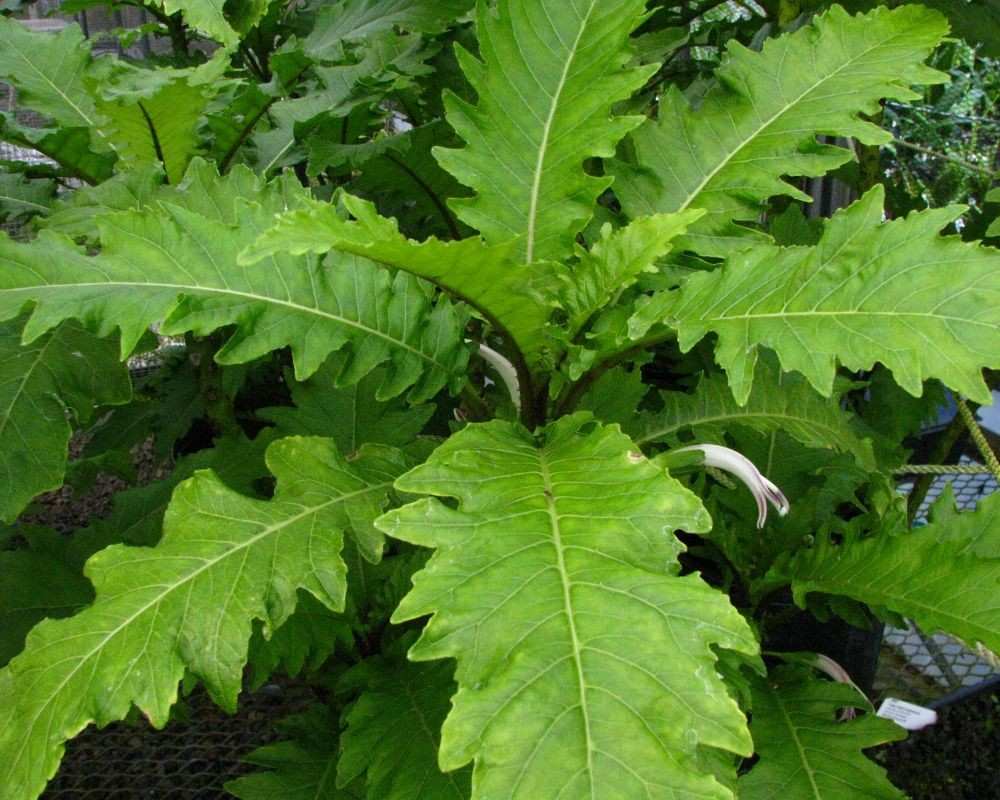
Conservation experts use such examples to understand biodiversity loss patterns and improve protection strategies.
18. Melicope obovata
Melicope obovata was a rare Hawaiian species that faced challenges from habitat destruction and ecological imbalance. As forests changed and invasive species spread, survival conditions became increasingly difficult.
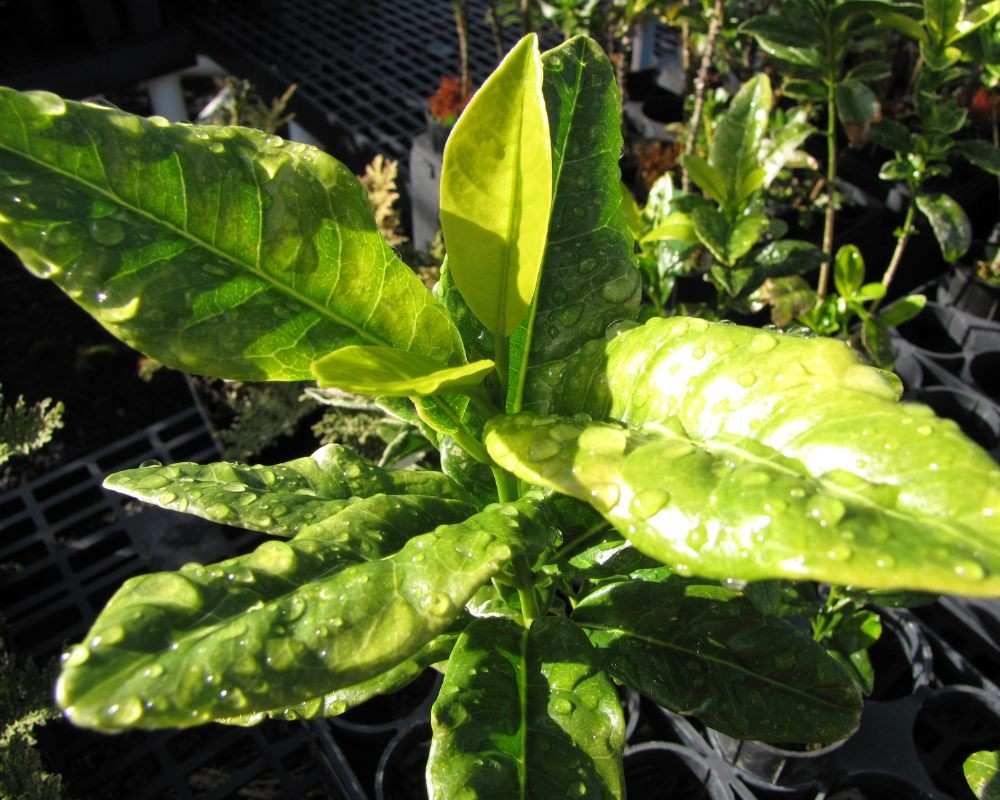
Its extinction shows how environmental changes can affect species that exist in only a few locations.
19. Trilepidea adamsii
Trilepidea adamsii was a mistletoe species native to New Zealand and became extinct due to habitat disturbance and environmental pressure. Scientists believe changing ecosystems and human influence affected the plant’s survival.
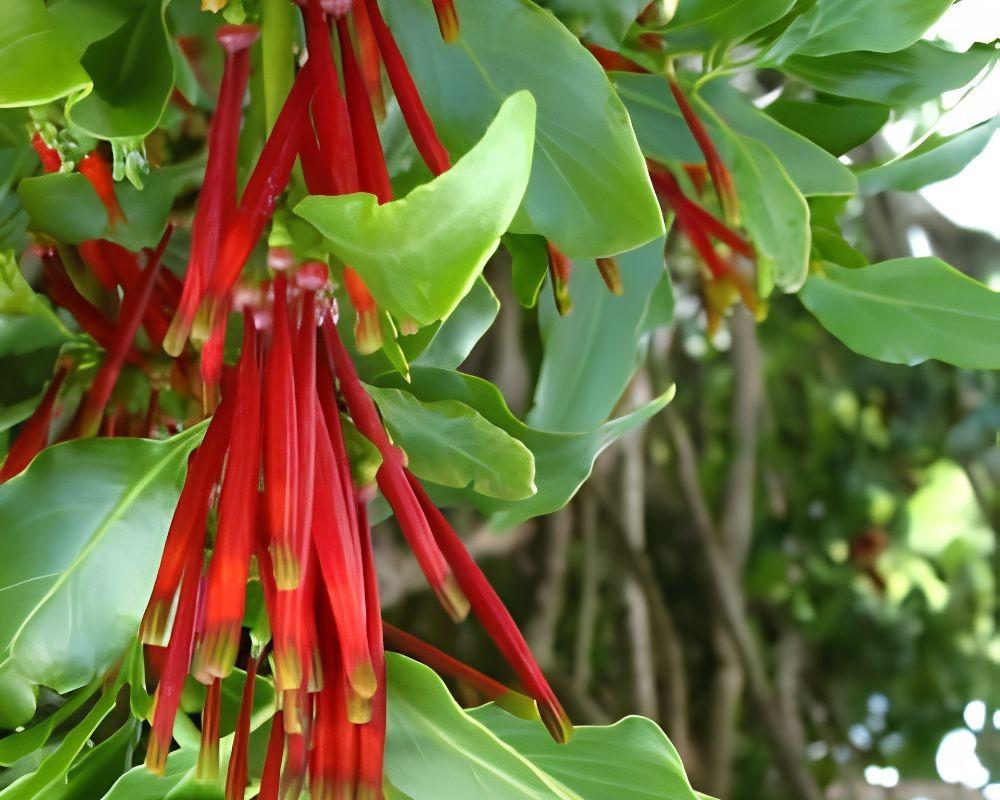
It is remembered as an example of how even parasitic and less noticeable plant species contribute to ecological systems.
20. Lepidium obtusatum
Lepidium obtusatum was a flowering plant native to New Zealand that disappeared mainly because of invasive species and habitat disturbance. The introduction of non-native animals and ecological changes reduced its ability to survive naturally.
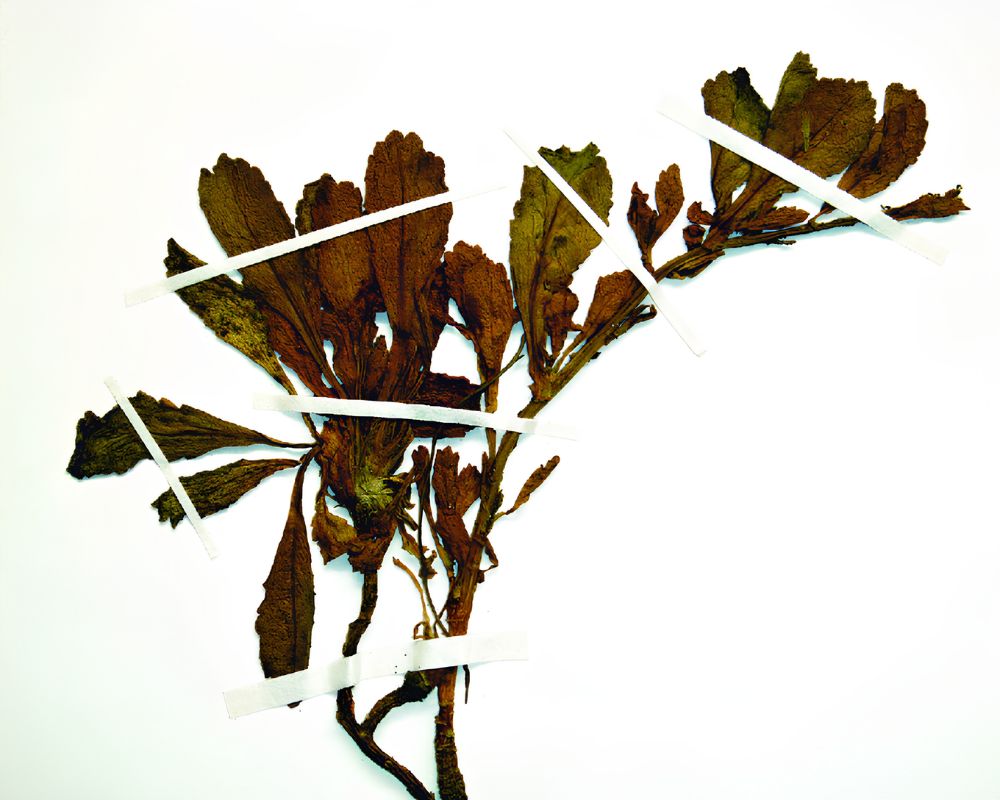
It remains an important example in biodiversity and conservation studies because of the role invasive species played in its extinction.
Also checkout Extinct Animals in India
Endangered Plant Species in India
| Plant Species | Found In | Conservation Status | Main Threats |
| Red Vanda | Northeastern India | Endangered | Illegal collection, habitat loss |
| Blue Vanda | Northeastern India | Endangered | Deforestation and overcollection |
| Pitcher Plant | Meghalaya | Endangered | Habitat destruction |
| Beddome’s Cycad | Southern India | Endangered | Deforestation and illegal trade |
| Kuth | Himalayan region | Endangered | Excessive harvesting |
| Syzygium travancoricum | Kerala | Critically Endangered | Wetland destruction |
| Madhuca insignis | Western Ghats | Endangered | Habitat loss |
| Paphiopedilum druryi | Southern India | Endangered | Illegal collection |
| Ceropegia fantastica | Western India | Endangered | Habitat fragmentation |
| Frerea indica | Maharashtra | Endangered | Limited distribution and habitat damage |
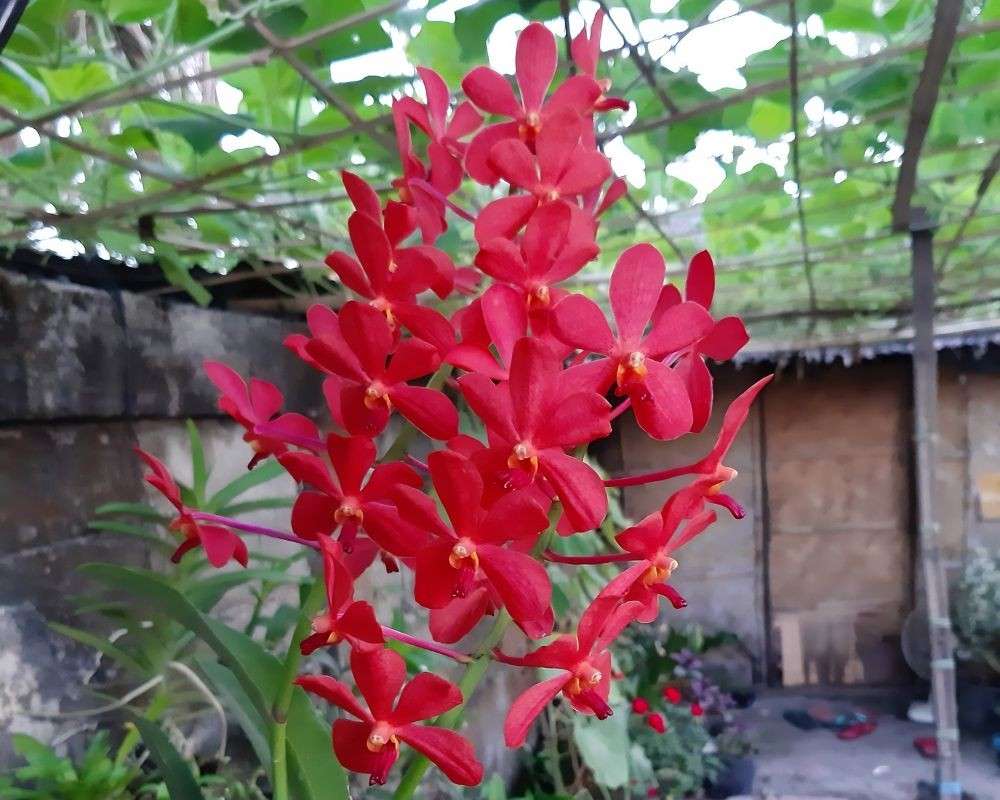
1. Red Vanda
Red Vanda is a rare orchid species found mainly in northeastern regions of India. It is known for its attractive flowers and ecological importance. Due to illegal collection and loss of natural habitats, its population has declined significantly. Conservation efforts focus on protecting forests and encouraging controlled cultivation.
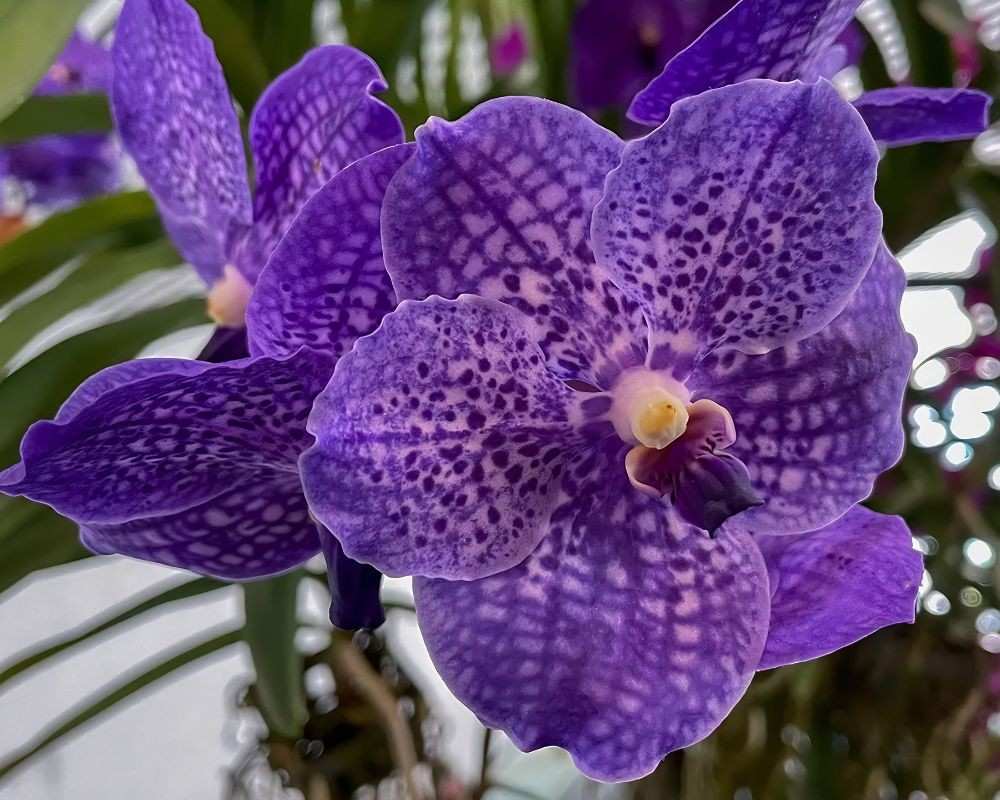
2. Blue Vanda
Blue Vanda is another important orchid species valued for its unique appearance. It naturally grows in forest ecosystems where environmental conditions remain stable. Excessive collection and habitat destruction have affected its population over time. Protecting forest ecosystems is essential for its survival.
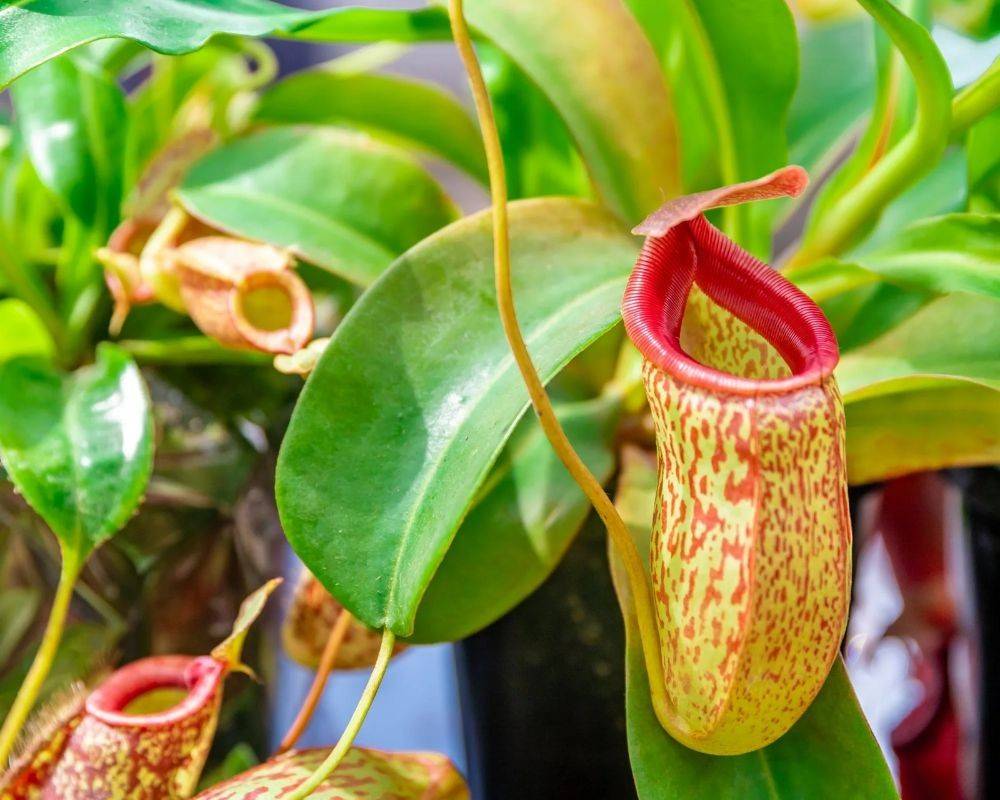
3. Pitcher Plant
The Pitcher Plant is one of India’s most fascinating plant species because it traps insects for nutrition. It naturally grows in Meghalaya and survives under very specific environmental conditions. Habitat destruction and changing environmental factors threaten its survival. It is protected under Indian wildlife laws.
4. Beddome’s Cycad
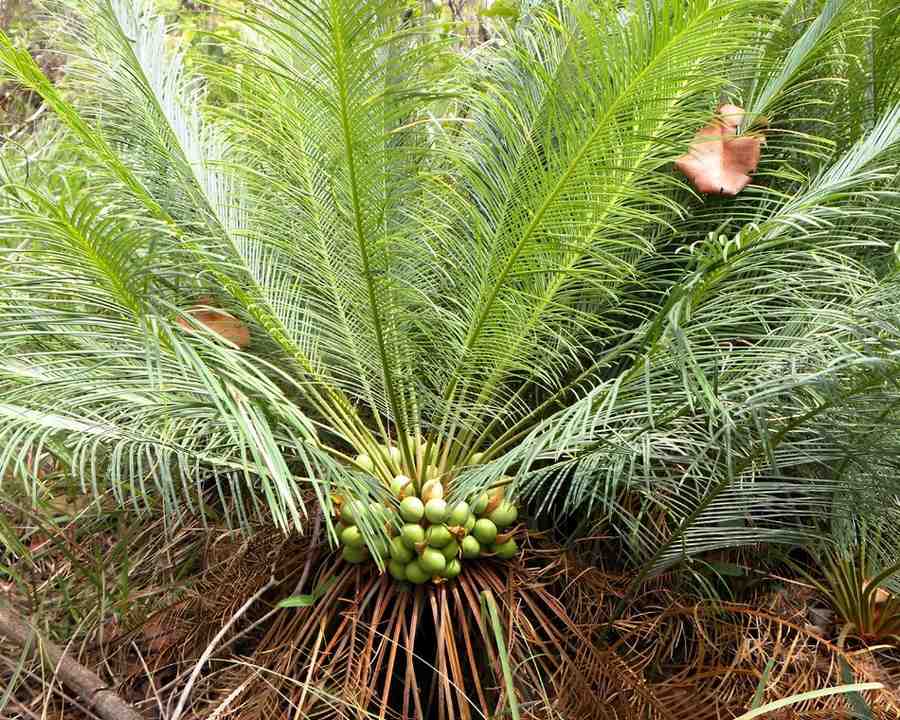
Beddome’s Cycad is often called a living fossil because cycads belong to one of the oldest plant groups on Earth. It grows mainly in southern India and faces threats from habitat destruction and illegal collection activities. Conservation efforts aim to preserve remaining populations.
5. Kuth
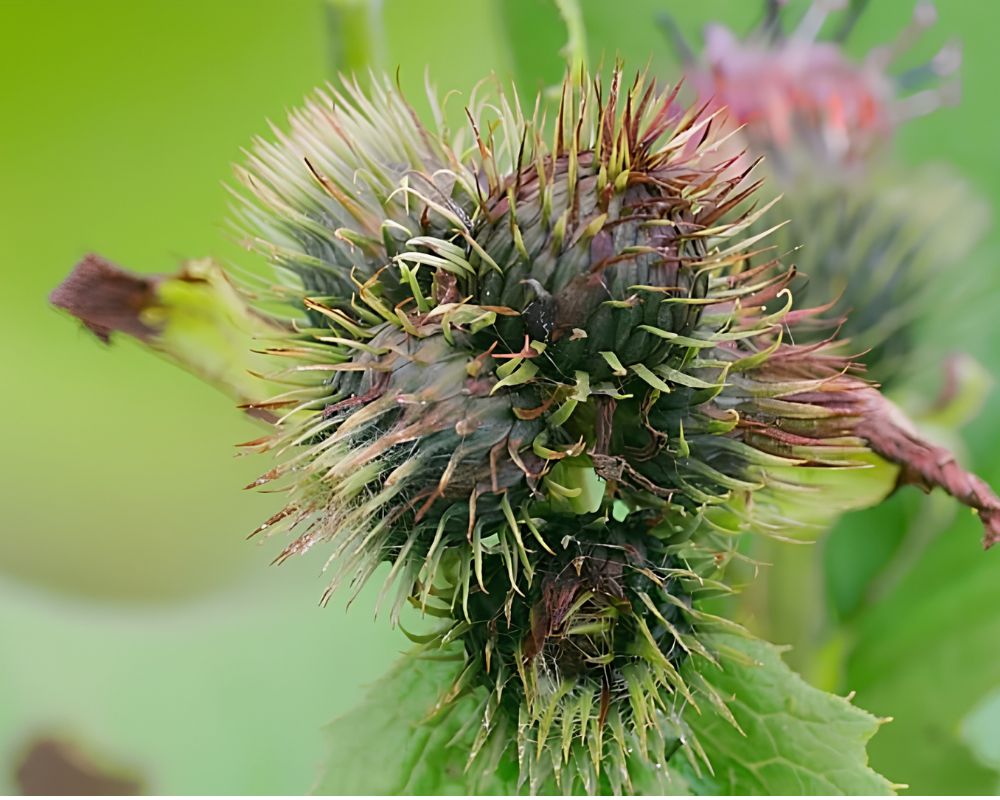
Kuth is a medicinal plant found in Himalayan regions and has been used traditionally for various purposes. Excessive harvesting for commercial use reduced its population over time. Conservation programs now focus on sustainable use and habitat protection.
6. Syzygium travancoricum
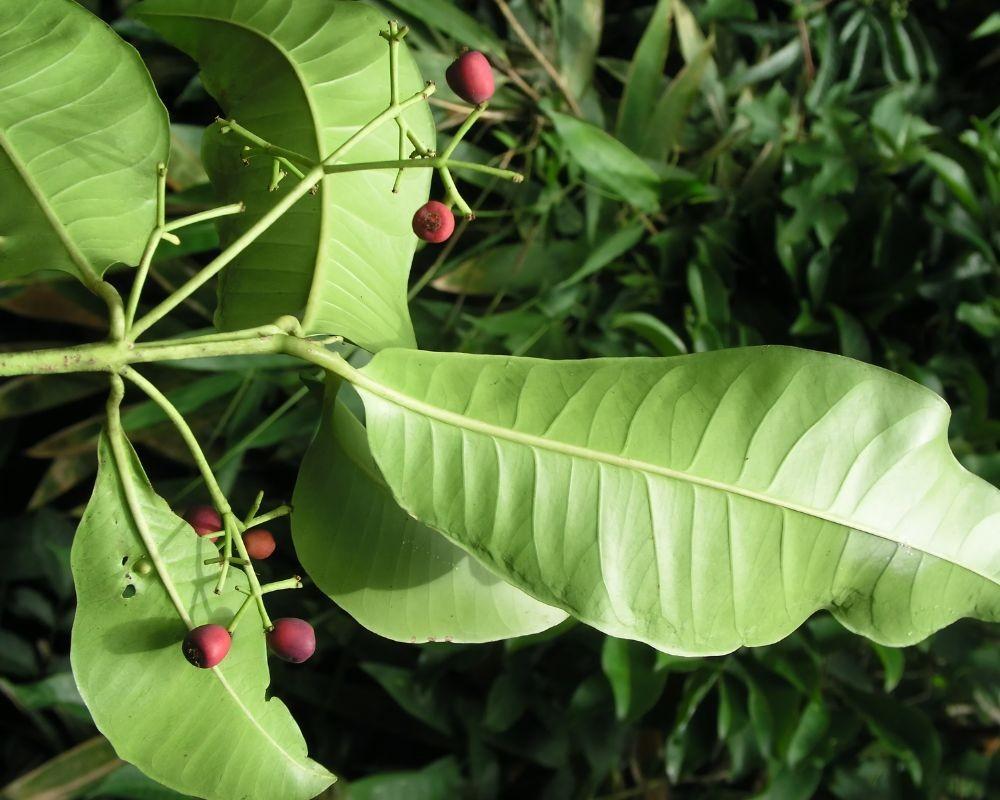
Syzygium travancoricum is a rare tree species native to wetland ecosystems of southern India. Wetland destruction and environmental changes greatly affected its natural population. It is considered important because wetlands support many forms of biodiversity.
7. Madhuca insignis
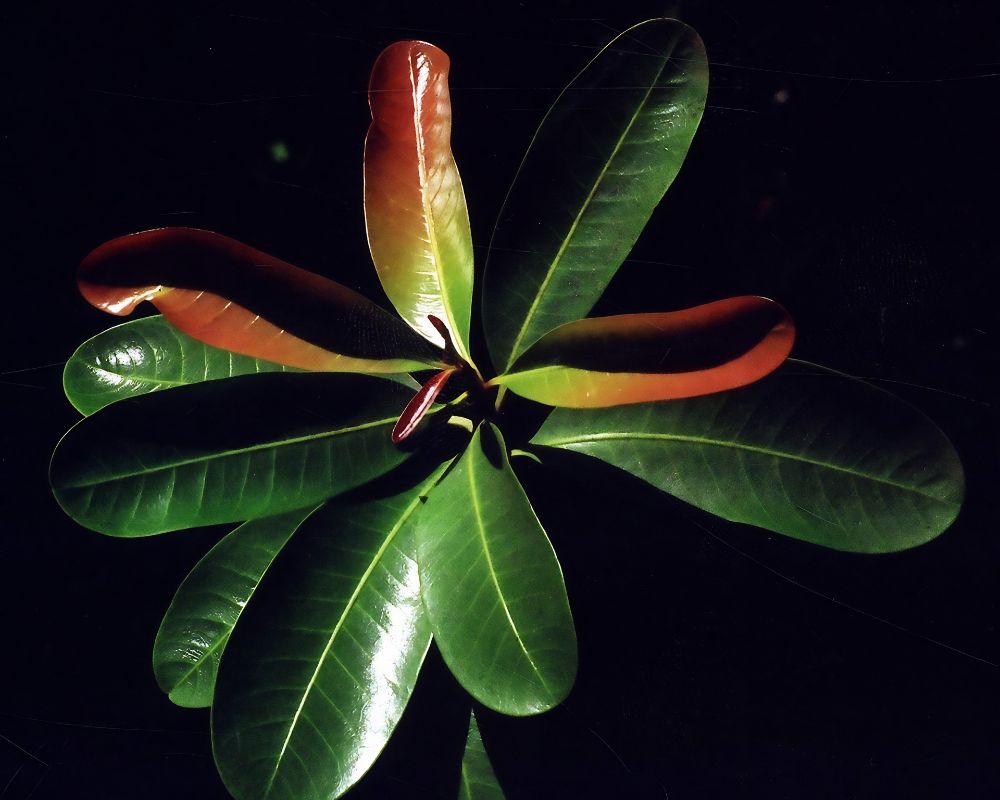
Madhuca insignis is a rare tree species found in India’s Western Ghats. Habitat loss and changing environmental conditions reduced its population significantly. Scientists consider the Western Ghats one of India’s important biodiversity regions.
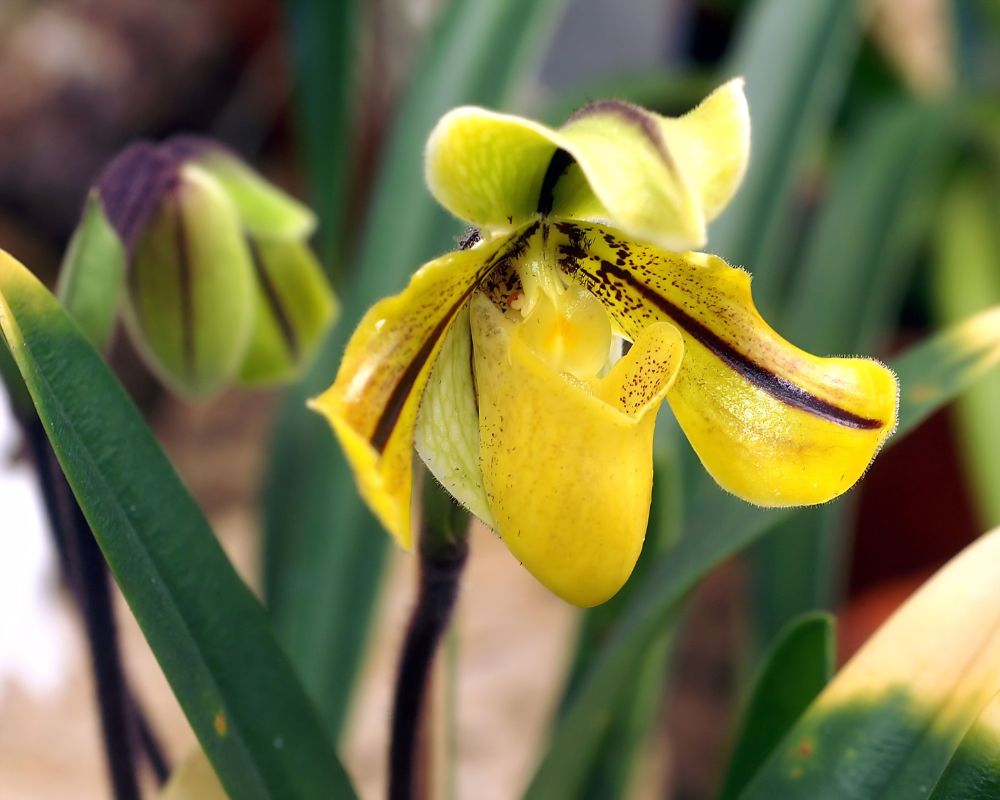
8. Paphiopedilum druryi
Paphiopedilum druryi is an orchid species valued for its unique flower shape. Illegal collection and habitat disturbances have affected its population. Controlled conservation measures are helping protect remaining populations.
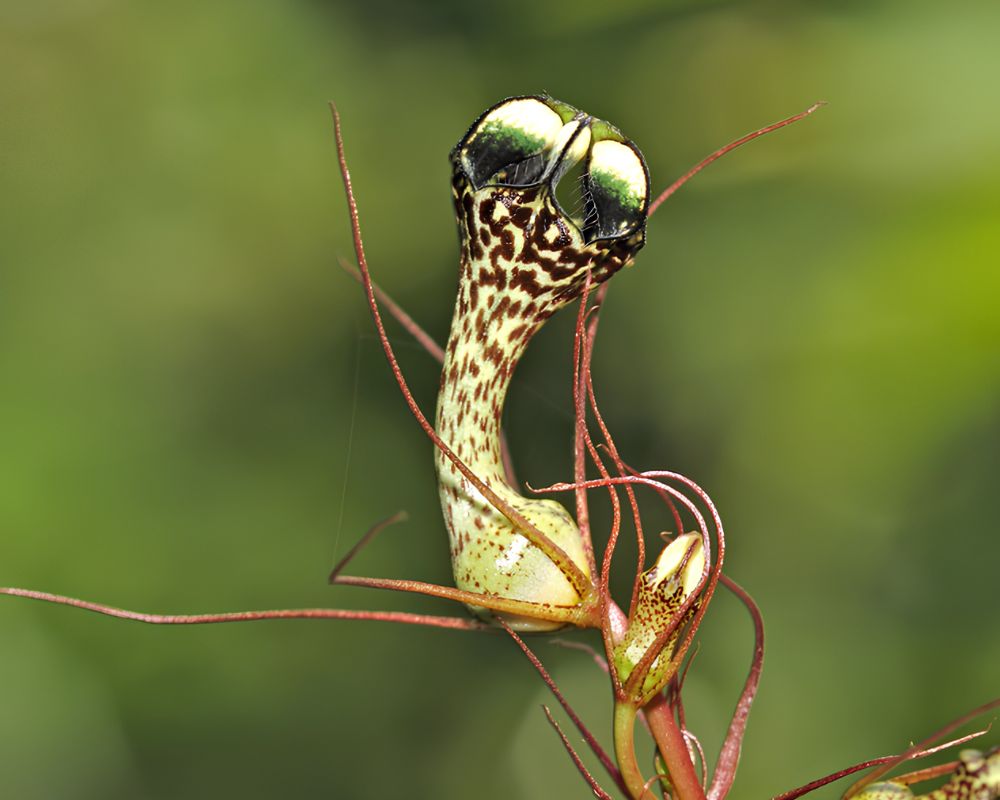
9. Ceropegia fantastica
Ceropegia fantastica is a flowering plant species with unusual flower structures. Since it grows in limited regions, environmental changes can strongly affect its survival. Habitat conservation remains essential.
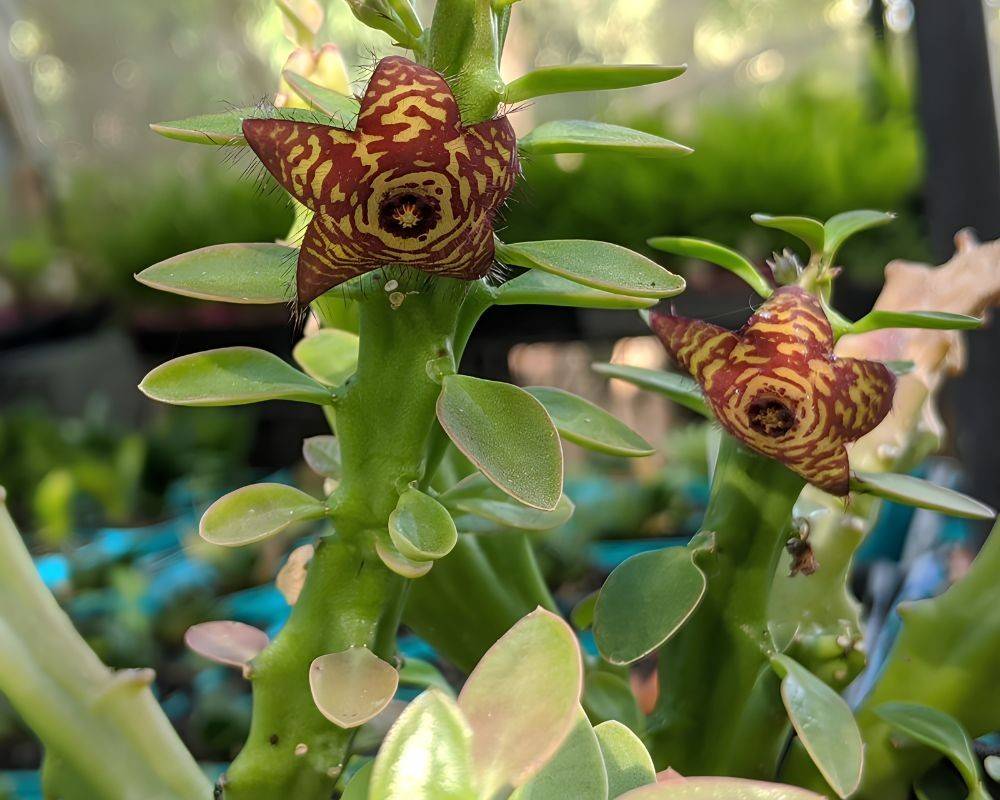
10. Frerea indica
Frerea indica is a rare succulent plant found mainly in Maharashtra. It survives in rocky environments and limited geographical areas. Habitat damage and environmental changes have increased threats to its population.
Why Do Plant Species Become Extinct?
- Habitat Destruction: Habitat destruction is one of the biggest reasons behind plant extinction. Forests, grasslands, wetlands, and mountains are cleared for roads, industries, cities, and agriculture. When natural habitats disappear, many plant species lose the conditions required for growth and reproduction.
- Deforestation: Large-scale cutting of forests removes thousands of plant species from their natural environment. Some plants exist only in specific forests, and once these forests are destroyed, their populations begin declining rapidly.
- Climate Change: Plants survive under particular temperature, rainfall, and environmental conditions. Climate change affects these conditions by increasing temperatures, changing rainfall patterns, causing droughts, and creating environmental stress that many plants cannot tolerate.
- Pollution: Air, water, and soil pollution negatively affect plant growth and survival. Toxic chemicals, industrial waste, and plastic contamination can damage ecosystems and reduce plant populations over time.
- Urbanization: Rapid expansion of cities often replaces natural ecosystems with buildings, roads, and infrastructure. As urban areas grow, many native plant species lose their living spaces.
- Overharvesting: Some plants are collected excessively for medicinal use, decoration, timber, or commercial purposes. Continuous harvesting without allowing regeneration can eventually reduce populations to dangerous levels.
- Invasive Species: Non-native plants and animals introduced into ecosystems can compete with native species for nutrients, water, and space. They may also spread diseases and disturb ecological balance.
- Natural Disasters: Floods, wildfires, earthquakes, landslides, and other natural disasters can destroy plant habitats and reduce populations, especially species found in limited geographical regions.
Must Explore GK Topics for students.
Effects of Plant Extinction
- Loss of biodiversity and ecosystem stability
- Disruption of food chains
- Decline in animal and insect populations
- Reduced oxygen production
- Increased environmental imbalance
- Soil erosion and land degradation
- Loss of medicinal resources
- Reduced agricultural diversity
- Increased climate-related impacts
- Permanent loss of genetic diversity
Conservation Efforts to Protect Plant Species
- Botanical Gardens: Botanical gardens help preserve rare and endangered plant species by maintaining controlled environments and supporting research activities.
- Seed Banks: Seed banks store seeds of important species for future use and provide protection against complete extinction.
- Protected Forest Areas: National parks, wildlife sanctuaries, and conservation areas help preserve natural ecosystems where plants can survive safely.
- Scientific Research Programs: Researchers study endangered plants to understand growth patterns, reproduction, and conservation strategies.
- Habitat Restoration: Habitat restoration focuses on rebuilding damaged ecosystems so plant species can recover naturally.
- Sustainable Resource Use: Sustainable use reduces excessive harvesting and encourages responsible utilization of forests and plant resources.
- Government Conservation Programs: Governments introduce laws and conservation projects to protect threatened species and regulate activities affecting biodiversity.
- Community Participation: Local communities play an important role in protecting forests and creating awareness about environmental conservation.
How You Can Help Protect Plant Diversity?
- Plant more trees in your surroundings
- Avoid unnecessary cutting of trees and plants
- Reduce plastic usage and pollution
- Support forest conservation programs
- Use paper and wood products responsibly
- Avoid purchasing illegally collected plant species
- Participate in environmental campaigns
- Protect local ecosystems and green spaces
- Spread awareness about endangered plants
- Encourage sustainable living practices
Interesting Facts About Extinct Plant Species
- Plants are disappearing at a faster rate than many animal species.
- Scientists estimate that hundreds of plant species have already disappeared globally.
- Some extinct plants vanished before researchers could fully study them.
- Islands have experienced some of the highest plant extinction rates in the world.
- The Franklin Tree survives today only because people cultivated it.
- Some plants classified as extinct in the wild still survive in botanical gardens.
- Rare plants sometimes exist only in one mountain, forest, or island region.
- Plant extinction can indirectly affect birds, insects, and animal species dependent on them.
- Some endangered plants are considered living fossils because they existed millions of years ago.
- Scientists continue discovering unknown plant species even today, while others disappear before being properly documented.
FAQs About Extinct Species of Plants
Some examples of extinct or extremely rare plant species associated with India include Hubbardia heptaneuron, Madhuca insignis, and Ceropegia lucida.
Extinct plants have disappeared completely and no longer exist anywhere. Endangered plants still exist but face a high risk of extinction if protection measures are not taken.
The Saint Helena Olive is among the most famous modern extinct plants because scientists witnessed the final stages of its disappearance.
Examples of endangered plant species in India include Pitcher Plant, Blue Vanda, Red Vanda, and Beddome’s Cycad.
Naturally extinct plants cannot return because no living individuals remain. However, some extinct-in-the-wild species survive in botanical gardens and conservation centers.
Extinct in the wild means a species no longer survives naturally in forests or natural ecosystems but still exists in cultivation or controlled environments.
Plants produce oxygen, provide food, support wildlife habitats, maintain soil quality, and help regulate environmental balance.
Climate change affects rainfall, temperature, soil conditions, and habitats, making survival difficult for many plant species.
Countries with high biodiversity and habitat pressure such as Brazil, Indonesia, Madagascar, and India have many endangered plant species.
Invasive species are non-native organisms that enter ecosystems and compete with native plants for water, nutrients, and space.
The Pitcher Plant and several orchid species receive legal protection under conservation laws in India.