 Talk to a Counsellor
 Support
Class 11 The Address: Summary, Theme, Character Sketch
Discover the summary of The Address: Class 11, including theme, character sketch, FAQs, and the message explained in simple words.
Last Updated on 14 Jul 2026

The story The Address by Marga Minco is a moving piece included in NCERT Snapshots for Class 11. It reflects the impact of war, human indifference, and the emptiness of material possessions when detached from emotions.
Below, you will find The Address summary explained in a simple way for easy understanding. We will also cover the central idea, key themes, and message of the story. This complete and short summary of The Address in Class 11th English will help you revise quickly and prepare well for exams.
Table of Contents
Jump to section- CLAT PG: All About CLAT Postgraduate Exam for LLM
Summary of The Address: Class 11
The Address by Marga Minco is a touching story that explores the effects of war, memory, and human indifference. It is narrated by a young Jewish girl who returns to her homeland after surviving the Second World War. She wants to recover her family’s possessions that were left with Mrs. Dorling, an old acquaintance of her mother.
The narrator recalls how, during the war, Mrs. Dorling had offered to keep their household items safe. She would frequently visit their home and carry away valuable belongings like silverware, crockery, and furniture. The narrator’s mother trusted her, though the narrator had always felt uneasy about Mrs. Dorling’s cold and practical manner.
After the war, the narrator decides to visit Mrs. Dorling at her address to reclaim the possessions. When she first arrives, Mrs. Dorling does not welcome her warmly and pretends not to recognize her. The narrator feels uncomfortable but returns later. On her second visit, Mrs. Dorling is absent, and her teenage daughter lets her inside the house.
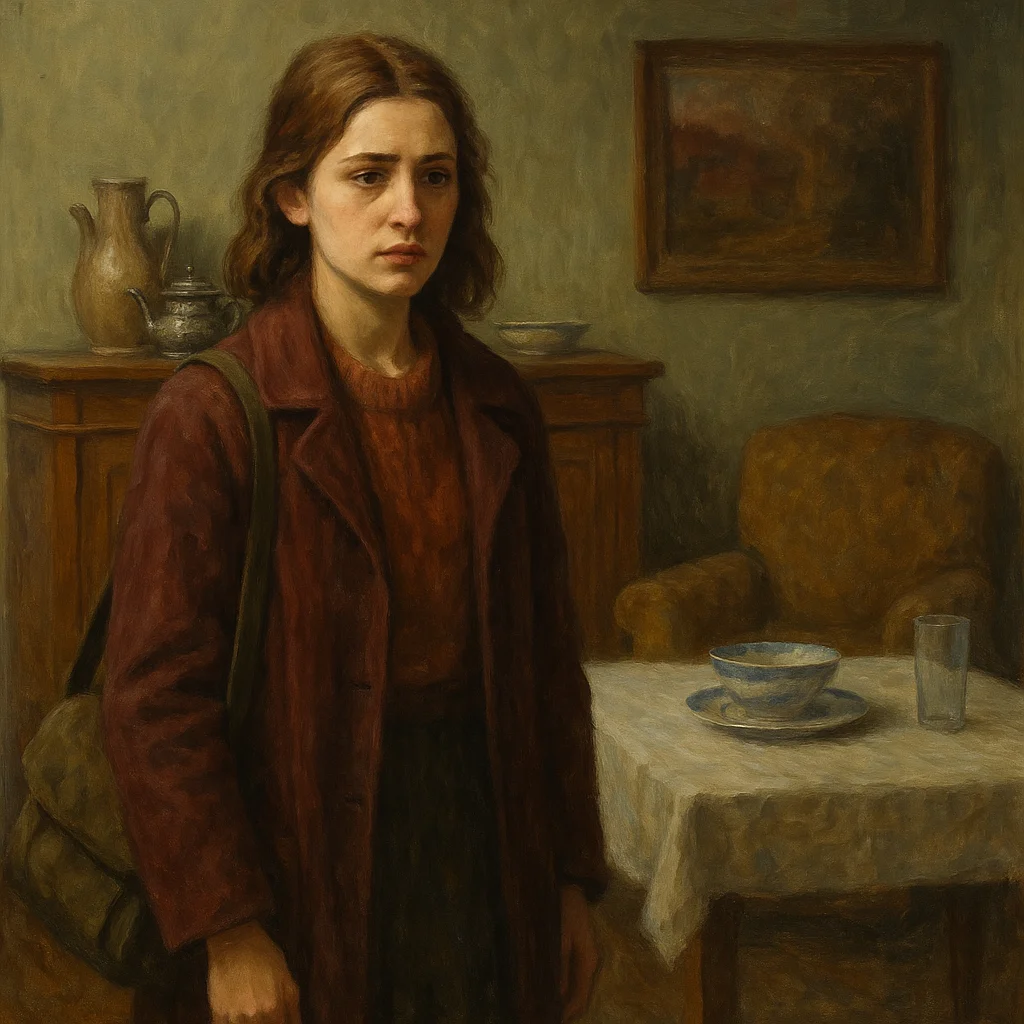
Inside, the narrator sees her mother’s belongings arranged in the unfamiliar setting of Mrs. Dorling’s home. The sight of these objects, once so familiar and full of memories, now feels strange and alien to her. Instead of bringing comfort, they remind her of the painful past and her lost family. She realizes that reclaiming these possessions would not heal her trauma or bring back her loved ones. The connection between objects and emotions had been broken by war and loss.
Finally, the narrator decides not to take back anything. She leaves Mrs. Dorling’s house quietly, understanding that clinging to material possessions cannot restore her past. What mattered were the memories and emotions tied to her family, which no object could replace.
The story of The Address in Class 11th highlights the emptiness of material wealth in the face of loss and the futility of trying to reclaim the past. It also shows the insensitivity of people like Mrs. Dorling, who, though practical, lacked compassion. Through simple yet powerful narration, Marga Minco makes us reflect on the true meaning of memory, belonging, and survival.
Short Summary of The Address Chapter in Class 11th
Marga Minco’s The Address is a story about loss, memory, and the futility of material possessions. The narrator, a young Jewish girl, returns to her homeland after surviving World War II. She goes to Mrs. Dorling’s house, where her mother had entrusted their valuable belongings for safekeeping during the war.
On her first visit, Mrs. Dorling avoids her, but later, when the narrator enters the house, she sees her mother’s possessions arranged in unfamiliar surroundings. Instead of comfort, these objects bring her pain and remind her of her family’s absence. She realizes that taking them back cannot restore her past or heal her trauma.
In the end, she chooses to leave without reclaiming anything, accepting that memories and emotions matter more than objects. The story highlights the impact of war and the emptiness of clinging to material possessions once their emotional connection is lost.
More Important Resources for CBSE Exam:
| Class 11th Hornbill Syllabus | CBSE Class 11th Commerce Subjects |
| CBSE Full Form | All about CBSE Class 11th |
| Class 11th Syllabus | Class 12th Syllabus |
| Class 11th Commerce Books | CBSE Board: All details |
Character Sketch for The Address
| Character | Traits | Role in the Story |
| Narrator (Jewish girl) | Sensitive, thoughtful, nostalgic, resilient, emotionally attached to memories | She returns after the war to reclaim her family’s belongings, but realizes material objects cannot replace emotional bonds or heal the trauma of loss. |
| Mrs. Dorling | Practical, cold, selfish, opportunistic, lacking compassion | An old acquaintance of the narrator’s mother. She takes away their valuables during the war under the pretext of safekeeping, but refuses warmth or empathy afterward. |
| Narrator’s Mother | Trusting, kind-hearted, unsuspecting | Entrusted family belongings to Mrs. Dorling during the war, believing they would be preserved for her children. Represents the lost warmth and security of home. |
| Mrs. Dorling’s Daughter | Innocent, polite, curious | Lets the narrator into the house in her mother’s absence. She unknowingly reveals the narrator’s old possessions arranged in their home. |
Central Idea of The Address in Class 11 English
The central idea of The Address is the futility of clinging to material possessions after the loss of loved ones. Through the narrator’s visit to Mrs. Dorling’s house, Marga Minco shows how objects once tied to warm memories become meaningless in a new, unfamiliar setting.
The story highlights the trauma of war, displacement, and human insensitivity, stressing that true comfort comes from memories and emotions, not from reclaiming things. It underlines that while war may strip people of their homes and belongings, the deeper loss is the emotional connection that no material object can ever restore.
Read the chapter-wise summaries of Class 11 English here:
Theme of The Address in Class 11 English
The theme of The Address revolves around war, memory, and the emptiness of material possessions. It shows how objects lose meaning when separated from the people and emotions once tied to them. The story also highlights human insensitivity during difficult times and emphasizes that true comfort lies in memories and emotional bonds rather than reclaiming material wealth after loss.
Message of The Address Chapter in Class 11
- Material possessions are temporary: Objects lose value without the emotions and people attached to them.
- War destroys more than homes: It takes away families, memories, and emotional security.
- Trust can be misplaced: Blind faith in others, like the narrator’s mother trusting Mrs. Dorling, may lead to disappointment.
- True wealth lies in memories: Emotional connections are more powerful than physical belongings.
- Insensitivity deepens suffering: Mrs. Dorling’s coldness reflects how lack of compassion can add to someone’s pain.
- Letting go brings peace: Healing begins when one accepts loss instead of clinging to the past.
About the Author of The Address: Marga Minco
Marga Minco (1920–2021) was a Dutch writer best known for her works that reflect the trauma and aftermath of World War II. Born in Ginneken, Netherlands, she was the only member of her Jewish family to survive the Holocaust, an experience that deeply influenced her writing.
Her stories often explore themes of loss, memory, displacement, and survival. She wrote with simplicity yet profound depth, making ordinary events carry emotional weight. One of her most famous works is The Address, which captures the pain of revisiting the past through objects once tied to family and identity.
Minco received several literary awards for her contributions, including the Constantijn Huygens Prize and P.C. Hooft Award, two of the highest honors in Dutch literature.
Find detailed questions and answers from all chapters of English Class 11 now:
FAQs on Class 11 The Address Summary

SEO Head
Virendra heads SEO & Content at LPT. A writer at heart, he focuses on building exam-focused content that informs, guides, and supports aspirants in their preparation journey.