Talk to a Counsellor
 Support
Important Acts Blog Category
890+ Important Acts in India With Year, Purpose, Categories (PDF)
India has around 892 Central Acts that help run the country and maintain rules in different areas of life. These laws in India cover subjects such as crime, education, banking, business, taxes, labour, technology, health, environment, and citizen rights. Below, you will find important Acts in India explained in a simple and organized way.
Latest Posts
Latest Important Acts Blog Posts

Topic-Wise Reads
Explore Important Acts Topics in Detail



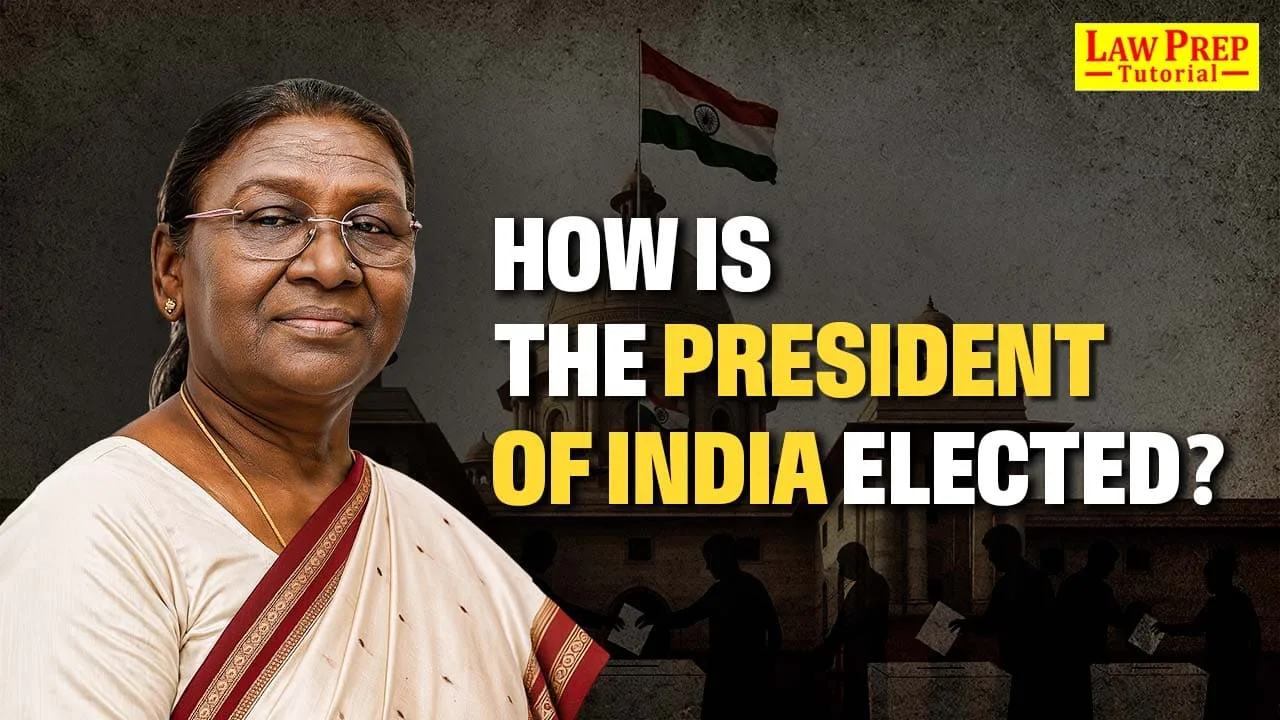



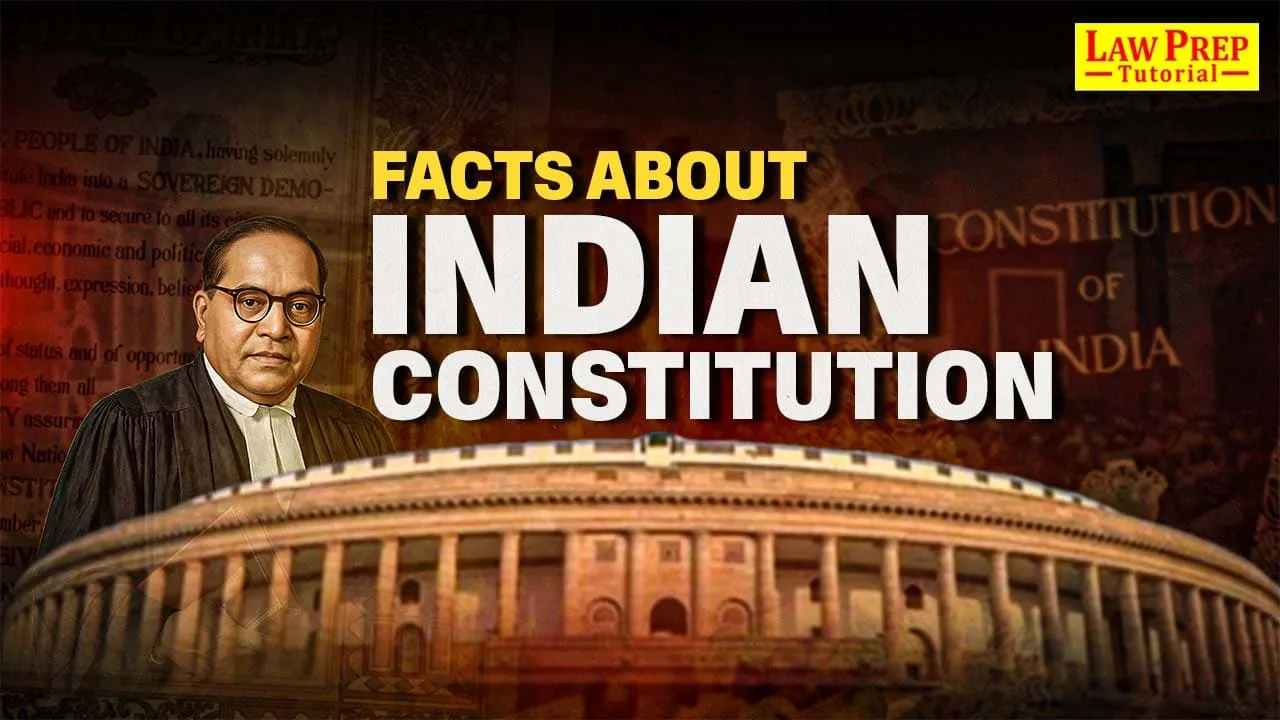
India has around 892 Central Acts that help run the country and maintain rules in different areas of life. These laws in India cover subjects such as crime, education, banking, business, taxes, labour, technology, health, environment, and citizen rights.
Learning the total acts in India helps you learn how different laws work together to create the legal system of the country. All acts of Indian Constitution and other important laws play an important role in protecting rights, maintaining order, and guiding how people, organizations, and the government function.
What is Act in India?
An Act in India is a law passed by Parliament or a State Legislature to create rules, define rights, regulate activities, and maintain order in society. A proposed law first begins as a Bill. After discussions, approval from the legislature, and the President’s assent, it becomes an Act and gets legal authority.
Acts cover many areas such as crime, education, business, taxation, environment, health, and citizen rights. They help decide what is allowed, what is prohibited, and what action can be taken if rules are broken. Acts form an important part of India’s legal and administrative system.
Top 50 Important Acts in India
These are the most important acts of Indian constitution:
|
S.No |
Act Name |
Year |
Category |
Main Purpose |
|
1 |
Constitution of India |
1950 |
Constitutional Law |
Provides the framework of governance and fundamental rights |
|
2 |
Bharatiya Nyaya Sanhita (BNS) |
2023 |
Criminal Law |
Defines crimes and punishments |
|
3 |
Bharatiya Nagarik Suraksha Sanhita (BNSS) |
2023 |
Criminal Law |
Governs criminal procedures |
|
4 |
Bharatiya Sakshya Adhiniyam (BSA) |
2023 |
Evidence Law |
Rules related to evidence in courts |
|
5 |
Indian Contract Act |
1872 |
Civil Law |
Regulates agreements and contracts |
|
6 |
Transfer of Property Act |
1882 |
Property Law |
Rules for property transfer |
|
7 |
Specific Relief Act |
1963 |
Civil Law |
Provides remedies in civil matters |
|
8 |
Code of Civil Procedure (CPC) |
1908 |
Civil Procedure |
Procedure for civil cases |
|
9 |
Limitation Act |
1963 |
Civil Law |
Sets time limits for legal actions |
|
10 |
Registration Act |
1908 |
Property Law |
Registration of legal documents |
|
11 |
Indian Partnership Act |
1932 |
Business Law |
Rules for partnership firms |
|
12 |
Companies Act |
2013 |
Corporate Law |
Regulation of companies |
|
13 |
Limited Liability Partnership Act |
2009 |
Corporate Law |
Governs LLP businesses |
|
14 |
Competition Act |
2003 |
Corporate Law |
Prevents unfair business practices |
|
15 |
Insolvency and Bankruptcy Code |
2016 |
Corporate Law |
Resolves insolvency cases |
|
16 |
Consumer Protection Act |
2019 |
Consumer Law |
Protects consumer rights |
|
17 |
Right to Information Act |
2005 |
Rights Law |
Gives access to public information |
|
18 |
Protection of Human Rights Act |
1994 |
Human Rights |
Protection of human rights |
|
19 |
Information Technology Act |
2000 |
Cyber Law |
Regulates digital and cyber activities |
|
20 |
Digital Personal Data Protection Act |
2023 |
Technology Law |
Protection of personal data |
|
21 |
Income Tax Act |
1961 |
Taxation |
Income tax regulations |
|
22 |
Central Goods and Services Tax Act |
2017 |
Taxation |
GST rules on goods and services |
|
23 |
Customs Act |
1962 |
Taxation |
Rules for imports and exports |
|
24 |
Reserve Bank of India Act |
1934 |
Banking |
Establishment and functioning of RBI |
|
25 |
Banking Regulation Act |
1949 |
Banking |
Regulation of banks |
|
26 |
Securities and Exchange Board of India Act |
1992 |
Finance |
Regulation of stock markets |
|
27 |
Prevention of Money Laundering Act |
2003 |
Financial Law |
Prevents illegal money transactions |
|
28 |
Negotiable Instruments Act |
1881 |
Banking |
Cheques and financial instruments |
|
29 |
Minimum Wages Act |
1948 |
Labour Law |
Minimum salary protection |
|
30 |
Payment of Wages Act |
1936 |
Labour Law |
Timely wage payment rules |
|
31 |
Employees' Provident Funds Act |
1952 |
Labour Law |
Employee social security |
|
32 |
Maternity Benefit Act |
1961 |
Labour Law |
Maternity leave and benefits |
|
33 |
Factories Act |
1948 |
Labour Law |
Worker safety and welfare |
|
34 |
Right of Children to Free and Compulsory Education Act |
2009 |
Education Law |
Free education rights |
|
35 |
National Food Security Act |
2013 |
Welfare Law |
Food security provisions |
|
36 |
Juvenile Justice Act |
2016 |
Child Protection |
Care and protection of children |
|
37 |
Protection of Children from Sexual Offences Act (POCSO) |
2012 |
Child Protection |
Child safety from sexual offences |
|
38 |
Prohibition of Child Marriage Act |
2007 |
Child Protection |
Prevents child marriage |
|
39 |
Dowry Prohibition Act |
1961 |
Social Law |
Prevents dowry practices |
|
40 |
Protection of Women from Domestic Violence Act |
2005 |
Women Protection |
Protection from domestic violence |
|
41 |
Sexual Harassment of Women at Workplace Act |
2013 |
Women Protection |
Protection against workplace harassment |
|
42 |
Muslim Women (Protection of Rights on Marriage) Act |
2019 |
Family Law |
Protection of Muslim women rights |
|
43 |
Hindu Marriage Act |
1955 |
Family Law |
Marriage laws for Hindus |
|
44 |
Special Marriage Act |
1954 |
Family Law |
Civil marriage provisions |
|
45 |
Environment Protection Act |
1986 |
Environment Law |
Environmental protection |
|
46 |
Water (Prevention and Control of Pollution) Act |
1974 |
Environment Law |
Water pollution control |
|
47 |
Air (Prevention and Control of Pollution) Act |
1981 |
Environment Law |
Air pollution control |
|
48 |
Wild Life Protection Act |
1972 |
Environment Law |
Protection of wildlife |
|
49 |
National Green Tribunal Act |
2010 |
Environment Law |
Environmental dispute resolution |
|
50 |
Unlawful Activities (Prevention) Act (UAPA) |
1967 |
National Security |
Prevention of unlawful activities |
Download PDF of Complete List of Acts in India
Get the complete list of important Acts in India in one place. Download the PDF to access Act names, years, categories, and major laws for quick learning and revision.
Download Acts PDF
Constitutional Acts in India
Constitutional Acts form the foundation of India's legal and political system. These laws define how the country is governed and explain the powers and responsibilities of the government, Parliament, courts, and citizens.
These acts of parliament also protect rights and establish rules for elections, citizenship, representation, and administration. Constitutional laws help maintain balance among different institutions and support the democratic structure of India.
|
Act Name |
Year |
Main Purpose |
|
Constitution of India |
1950 |
Framework of governance and citizen rights |
|
Citizenship Act |
1955 |
Rules for acquiring and losing citizenship |
|
Representation of the People Act |
1950 |
Electoral rolls and constituency matters |
|
Representation of the People Act |
1951 |
Conduct of elections |
|
Official Languages Act |
1963 |
Use of official languages in government |
|
Delimitation Act |
2002 |
Redrawing constituency boundaries |
|
Government of National Capital Territory of Delhi Act |
1992 |
Administration of Delhi |
|
States Reorganisation Act |
1956 |
Reorganization of states |
|
Panchayats (Extension to Scheduled Areas) Act |
1996 |
Governance in tribal areas |
|
Jammu and Kashmir Reorganisation Act |
2019 |
Reorganization of Jammu and Kashmir |
Learning about these Acts helps you understand how the Indian government functions and how important decisions related to governance, rights, and administration are made in the country.
Criminal Law Acts in India
Criminal law Acts deal with offences, punishments, investigations, and legal procedures related to crimes. These laws help maintain law and order and protect people from activities such as theft, violence, fraud, corruption, and other offences.
These law acts in India define what actions are considered crimes and explain the punishment for breaking the law. Criminal laws also guide police investigations and court procedures. These Acts play an important role in ensuring justice and public safety across the country.
|
Act Name |
Year |
Main Purpose |
|
Bharatiya Nyaya Sanhita (BNS) |
2023 |
Defines criminal offences and punishments |
|
Bharatiya Nagarik Suraksha Sanhita (BNSS) |
2023 |
Criminal procedure rules |
|
Bharatiya Sakshya Adhiniyam (BSA) |
2023 |
Rules regarding evidence |
|
Prevention of Corruption Act |
1988 |
Prevents corruption |
|
Narcotic Drugs and Psychotropic Substances Act |
1985 |
Drug-related offences |
|
Unlawful Activities (Prevention) Act |
1967 |
Prevents unlawful activities |
|
Prevention of Money Laundering Act |
2003 |
Prevents money laundering |
|
Arms Act |
1959 |
Regulation of arms and weapons |
|
Protection of Civil Rights Act |
1955 |
Prevents discrimination |
|
National Investigation Agency Act |
2008 |
Establishment of NIA |
Civil Law Acts in India
Civil law Acts mainly deal with disputes between individuals, organizations, and properties. These laws cover agreements, property matters, compensation, legal rights, and civil remedies.
These acts of India do not focus on punishment like criminal laws. Instead, they help solve disagreements and provide legal solutions for people and businesses. They play an important role in maintaining fairness in personal and commercial matters.
|
Act Name |
Year |
Main Purpose |
|
Indian Contract Act |
1872 |
Rules for agreements and contracts |
|
Transfer of Property Act |
1882 |
Property transfer rules |
|
Code of Civil Procedure |
1908 |
Procedure for civil cases |
|
Specific Relief Act |
1963 |
Civil remedies |
|
Limitation Act |
1963 |
Time limit for legal action |
|
Indian Easements Act |
1882 |
Rights over another person's property |
|
Registration Act |
1908 |
Registration of legal documents |
|
Partition Act |
1893 |
Division of property |
|
Indian Trusts Act |
1882 |
Rules for trusts |
|
Sale of Goods Act |
1930 |
Sale and purchase rules |
Corporate and Business Acts in India
Corporate and business laws regulate companies, industries, partnerships, and commercial activities. These Acts help businesses operate under legal rules and maintain transparency, accountability, and fair practices.
They define company structures, financial regulations, competition rules, and dispute resolution systems. These laws are important for business growth and economic development.
|
Act Name |
Year |
Main Purpose |
|
Companies Act |
2013 |
Regulation of companies |
|
Limited Liability Partnership Act |
2009 |
Rules for LLP firms |
|
Competition Act |
2003 |
Prevents unfair competition |
|
Insolvency and Bankruptcy Code |
2016 |
Insolvency resolution |
|
Partnership Act |
1932 |
Rules for partnership firms |
|
Micro Small and Medium Enterprises Development Act |
2006 |
MSME development |
|
Securities and Exchange Board of India Act |
1992 |
Regulation of stock markets |
|
Trade Marks Act |
1999 |
Protection of trademarks |
|
Patents Act |
1970 |
Protection of inventions |
|
Copyright Act |
1957 |
Protection of creative works |
Labour Law Acts in India
Labour laws protect employees and regulate working conditions in different sectors. These laws cover wages, benefits, working hours, safety, compensation, and social security. Labour Acts help maintain a balance between employers and workers while ensuring fair treatment and better workplace conditions.
|
Act Name |
Year |
Main Purpose |
|
Minimum Wages Act |
1948 |
Minimum wages for workers |
|
Payment of Wages Act |
1936 |
Timely payment of wages |
|
Employees' Provident Funds Act |
1952 |
Employee social security |
|
Maternity Benefit Act |
1961 |
Maternity benefits |
|
Factories Act |
1948 |
Safety and welfare of workers |
|
Industrial Disputes Act |
1947 |
Resolution of industrial disputes |
|
Payment of Bonus Act |
1965 |
Employee bonus rules |
|
Employees' State Insurance Act |
1948 |
Medical and insurance benefits |
|
Code on Wages Act |
2019 |
Wage-related rules |
|
Code on Social Security |
2020 |
Social security benefits |
Taxation Acts in India
Taxation Acts regulate how taxes are collected by the government from individuals, businesses, goods, and services. These laws explain tax rates, payment rules, returns, penalties, exemptions, and compliance requirements.
Taxes collected under these Acts are used for public services, infrastructure, healthcare, education, and development projects. Learning these laws helps people and businesses know their responsibilities related to taxation and financial reporting.
|
Act Name |
Year |
Main Purpose |
|
Income Tax Act |
1961 |
Rules related to income tax |
|
Central Goods and Services Tax Act |
2017 |
GST on goods and services |
|
Integrated Goods and Services Tax Act |
2017 |
GST on interstate transactions |
|
Customs Act |
1962 |
Import and export duties |
|
Central Sales Tax Act |
1956 |
Tax on interstate sales |
|
Goods and Services Tax (Compensation to States) Act |
2017 |
Compensation for GST implementation |
|
Black Money Act |
2015 |
Tax on undisclosed foreign income |
|
Customs Tariff Act |
1975 |
Tariff rates on imports and exports |
|
Bihar Value Added Tax Act |
2005 |
VAT provisions |
|
Provisional Collection of Taxes Act |
2023 |
Temporary tax collection rules |
Consumer Protection and Rights Acts in India
Consumer and rights-related Acts protect individuals from unfair practices and ensure access to basic rights. These laws help people raise complaints, seek justice, and receive protection against fraud, discrimination, and exploitation. They support transparency and protect the interests of citizens in different areas of life.
|
Act Name |
Year |
Main Purpose |
|
Consumer Protection Act |
2019 |
Protection of consumer rights |
|
Right to Information Act |
2005 |
Access to public information |
|
Protection of Human Rights Act |
1994 |
Protection of human rights |
|
Rights of Persons with Disabilities Act |
2016 |
Rights of persons with disabilities |
|
Protection of Civil Rights Act |
1955 |
Prevention of discrimination |
|
National Food Security Act |
2013 |
Food security benefits |
|
Legal Services Authorities Act |
1987 |
Free legal assistance |
|
National Commission for Women Act |
1990 |
Protection of women’s interests |
|
National Commission for Minorities Act |
1992 |
Protection of minority rights |
|
National Commission for Safai Karamcharis Act |
1993 |
Welfare of sanitation workers |
Technology and Cyber Law Acts in India
Technology and cyber laws regulate digital activities and deal with issues related to online platforms, electronic records, cyber crimes, and data protection. These laws become important as more services, businesses, and communication systems move online. They help create a safer digital environment for users and organizations.
|
Act Name |
Year |
Main Purpose |
|
Information Technology Act |
2000 |
Regulation of cyber activities |
|
Digital Personal Data Protection Act |
2023 |
Protection of personal data |
|
Telecommunication Act |
2023 |
Regulation of telecommunication services |
|
Copyright Act |
1957 |
Protection of digital and creative content |
|
Patents Act |
1970 |
Protection of innovations |
|
Trade Marks Act |
1999 |
Protection of brands and trademarks |
|
Semiconductor Integrated Circuits Layout Design Act |
2000 |
Protection of semiconductor designs |
|
Information Technology (related provisions) |
2000 |
Electronic records and cyber offences |
|
Cable Television Networks Act |
1995 |
Regulation of broadcasting |
|
Telecom Regulatory Authority of India Act |
1997 |
Telecom sector regulation |
Women and Child Protection Acts
Women and child protection laws focus on safety, dignity, welfare, and legal protection. These Acts deal with issues such as domestic violence, child abuse, workplace safety, child marriage, and rights of women and children. Their main purpose is to provide protection and legal support.
|
Act Name |
Year |
Main Purpose |
|
Protection of Women from Domestic Violence Act |
2005 |
Protection against domestic violence |
|
Protection of Children from Sexual Offences Act |
2012 |
Protection of children from sexual offences |
|
Juvenile Justice Act |
2016 |
Care and protection of children |
|
Dowry Prohibition Act |
1961 |
Prevention of dowry practices |
|
Prohibition of Child Marriage Act |
2007 |
Prevents child marriage |
|
Sexual Harassment of Women at Workplace Act |
2013 |
Protection at workplace |
|
Maternity Benefit Act |
1961 |
Maternity benefits |
|
National Commission for Women Act |
1990 |
Protection of women's rights |
|
Child and Adolescent Labour Act |
1986 |
Regulation of child labour |
|
Muslim Women (Protection of Rights on Marriage) Act |
2019 |
Protection of rights in marriage |
Environmental Acts in India
Environmental laws help protect natural resources such as forests, rivers, wildlife, land, and air. These laws control pollution and encourage sustainable use of natural resources. Environmental protection has become important because of increasing industrial growth and environmental challenges.
|
Act Name |
Year |
Main Purpose |
|
Environment Protection Act |
1986 |
Protection of environment |
|
Water (Prevention and Control of Pollution) Act |
1974 |
Control of water pollution |
|
Air (Prevention and Control of Pollution) Act |
1981 |
Control of air pollution |
|
Wild Life Protection Act |
1972 |
Protection of wildlife |
|
Biological Diversity Act |
2003 |
Conservation of biodiversity |
|
Forest Rights Act |
2007 |
Rights related to forest land |
|
National Green Tribunal Act |
2010 |
Environmental dispute resolution |
|
Compensatory Afforestation Fund Act |
2016 |
Forest conservation funding |
|
Indian Forest Act |
1927 |
Forest management rules |
|
Forest Conservation laws |
Various |
Conservation of forests |
Banking and Finance Acts in India
Banking and finance laws regulate banks, financial institutions, loans, investments, and monetary systems. These Acts help maintain financial stability and protect the interests of customers and investors.
|
Act Name |
Year |
Main Purpose |
|
Reserve Bank of India Act |
1934 |
Establishment and regulation of RBI |
|
Banking Regulation Act |
1949 |
Regulation of banks |
|
Securities and Exchange Board of India Act |
1992 |
Regulation of stock market |
|
Prevention of Money Laundering Act |
2003 |
Prevention of illegal financial activities |
|
Negotiable Instruments Act |
1881 |
Rules regarding cheques and instruments |
|
Insurance Act |
1938 |
Regulation of insurance |
|
Credit Information Companies Act |
2005 |
Credit information management |
|
Payment and Settlement Systems Act |
2007 |
Digital payment systems |
|
Foreign Exchange Management Act |
1999 |
Foreign exchange regulation |
|
Securitisation and Reconstruction of Financial Assets Act |
2002 |
Recovery of secured assets |
Difference Between Bill and Act in India
Below is the comparison showing the difference between an act and a bill:
|
Basis |
Bill |
Act |
|
Meaning |
A Bill is a proposed law that is presented for discussion and approval. |
An Act is a law that has been officially approved and enforced. |
|
Legal Status |
It is still under consideration and has no legal power. |
It has legal authority and must be followed. |
|
Stage |
It is an early stage in the law-making process. |
It is the final stage after approval. |
|
Approval |
Requires approval from Parliament and the President. |
Already approved and implemented. |
|
Purpose |
Introduces a new law or changes an existing law. |
Creates rules and legal provisions for the public. |
|
Example |
Digital Personal Data Protection Bill |
Digital Personal Data Protection Act |
How an Act Becomes Law in India?
This is the process of making an act a law in India:
1. Drafting of the Bill
The government or a member of Parliament prepares a draft of the proposed law based on a specific issue, requirement, or public need.
2. Introduction in Parliament
The Bill is introduced in either the Lok Sabha or Rajya Sabha for discussion and consideration by members.
3. First Reading
The title and purpose of the Bill are presented. At this stage, detailed discussion on the contents usually does not take place.
4. Detailed Discussion and Review
Members discuss the Bill in detail and may suggest changes, additions, or removal of certain provisions.
5. Committee Examination
Some Bills are sent to a Parliamentary committee for a deeper study and recommendations before further approval.
6. Voting in the House
Members vote on the Bill. It must receive the required majority support to move ahead.
7. Approval by the Second House
After passing in one House, the Bill goes to the other House where the same discussion and voting process takes place.
8. President’s Assent
The approved Bill is sent to the President of India for final approval and signature.
9. Bill Becomes an Act
After receiving the President's assent, the Bill officially becomes an Act and starts having legal effect.
Importance of Knowing Important Acts in Indian Constitution
1. Protect Rights and Freedom
Important Acts protect the rights given to citizens and ensure fair treatment. Laws related to education, equality, information, and human rights help people live with dignity and security.
2. Maintain Law and Order
Acts related to criminal law help control crimes and maintain peace in society. They define offences, punishments, and legal procedures that help maintain public safety.
3. Regulate Business Activities
Business and corporate laws create rules for companies, partnerships, taxes, and financial activities. They help maintain transparency and fair competition.
4. Protect Consumers
Consumer laws protect people from false advertisements, poor-quality products, unfair pricing, and fraud. They also provide ways to file complaints and seek compensation.
5. Support Employees and Workers
Labour laws provide protection related to wages, benefits, working hours, safety, and workplace conditions. These laws help create a fair work environment.
6. Protect Women and Children
Several Acts provide legal protection against domestic violence, child abuse, workplace harassment, and child marriage. These laws support safety and welfare.
7. Help Environmental Protection
Environmental laws help reduce pollution and protect forests, rivers, wildlife, and natural resources for future generations.
8. Improve Public Services
Acts related to education, healthcare, food security, and welfare programs help improve access to important services and support social development.
Recent Changes in Indian Acts and Laws
The Indian Acts of the Constitution have gone through these changes recently:
Bharatiya Nyaya Sanhita (BNS) Replaced IPC
The Bharatiya Nyaya Sanhita (BNS), 2023 replaced the Indian Penal Code (IPC), which had been in use since 1860. The new law introduced changes to make criminal law more suitable for modern situations and new types of offences.
Major changes include:
- IPC replaced by BNS
- New provisions for organized crime
- Provisions for mob lynching offences
- Stronger rules for crimes against women and children
- Updated definitions for modern offences
- Removal and revision of several outdated sections
Bharatiya Nagarik Suraksha Sanhita (BNSS) Replaced CrPC
The Bharatiya Nagarik Suraksha Sanhita (BNSS), 2023 replaced the Code of Criminal Procedure (CrPC), 1973. It introduced changes aimed at improving criminal procedures and reducing delays.
Major changes include:
- CrPC replaced by BNSS
- Greater use of electronic records
- Digital FIR and online processes
- Time limits for investigation and judgments
- Video conferencing during proceedings
- Faster legal procedures in certain cases
Bharatiya Sakshya Adhiniyam (BSA) Replaced Indian Evidence Act
The Bharatiya Sakshya Adhiniyam (BSA), 2023 replaced the Indian Evidence Act, 1872. The updated law recognizes modern forms of evidence and addresses technological developments.
Major changes include:
- Indian Evidence Act replaced by BSA
- Recognition of electronic records as evidence
- Digital documents given greater importance
- Updated provisions for technology-based evidence
- Simplified structure and language in several areas
Digital Personal Data Protection Act, 2023
India introduced the Digital Personal Data Protection Act, 2023 to protect personal information shared online. With increasing internet use and digital platforms, this law creates rules for collecting and using user data.
Major changes include:
- Rules for collecting personal data
- User consent requirements
- Protection against misuse of data
- Responsibilities for organizations handling data
- Penalties for violating data rules
Telecommunication Act, 2023
The Telecommunication Act, 2023 replaced several old telecom provisions and introduced a new framework for modern communication systems.
Major changes include:
- Updated telecom regulations
- Rules for communication services
- Framework for digital communication technologies
- Licensing provisions
- Focus on emerging technologies and services
Download PDF of Complete List of Acts in India
Get the complete list of important Acts in India in one place. Download the PDF to access Act names, years, categories, and major laws for quick learning and revision.
Download Acts PDF
FAQs About Acts in India
How many Acts are there in India?
India has around 892 Central Acts according to the latest list of Central legislation. This number may change when new laws are introduced or existing laws are repealed.
Who makes Acts in India?
Acts are made by Parliament at the central level and by State Legislatures at the state level. After approval, the President or Governor gives final assent.
What is the oldest law in India?
Some very old laws still in existence include the Indian Penal Code (1860) earlier, Indian Contract Act (1872), and other Acts introduced during British rule. Several old laws have also been replaced over time.
What are Constitutional Acts?
Constitutional Acts are laws related to governance, elections, citizenship, and the structure of government institutions in India.
What are Criminal Law Acts?
Criminal law Acts deal with offences, punishments, investigations, and court procedures related to crimes.
Which Act replaced IPC in India?
The Bharatiya Nyaya Sanhita (BNS), 2023 replaced the Indian Penal Code (IPC).
Which Act replaced CrPC?
The Bharatiya Nagarik Suraksha Sanhita (BNSS), 2023 replaced the Code of Criminal Procedure (CrPC).
Which Act replaced the Indian Evidence Act?
The Bharatiya Sakshya Adhiniyam (BSA), 2023 replaced the Indian Evidence Act, 1872.
Which Act protects consumers in India?
The Consumer Protection Act, 2019 protects consumers against unfair trade practices, defective products, and misleading advertisements.
Which Act deals with cyber crimes in India?
The Information Technology Act, 2000 deals with cyber crimes, electronic records, digital transactions, and online activities.
Which Act protects children from sexual offences?
The Protection of Children from Sexual Offences (POCSO) Act, 2012 protects children from sexual abuse and exploitation.
Which Act protects women from domestic violence?
The Protection of Women from Domestic Violence Act, 2005 provides legal protection against physical, emotional, verbal, and economic abuse.
Which Act regulates companies in India?
The Companies Act, 2013 regulates company registration, management, compliance, and business operations.
Why are Acts important in India?
Acts create legal rules that help maintain order, protect rights, regulate businesses, and support the functioning of government systems.
Can Acts be amended or changed?
Yes. Parliament can amend, repeal, or replace an existing Act when changes are needed because of social, legal, or technological developments.