Talk to a Counsellor
 Support
Top 20 Facts About Indian Constitution (Interesting & Important)
Know about the top 20 amazing, interesting, unknown, and important facts about the constitution of India. Check now!
Last Updated on 05 Jul 2026

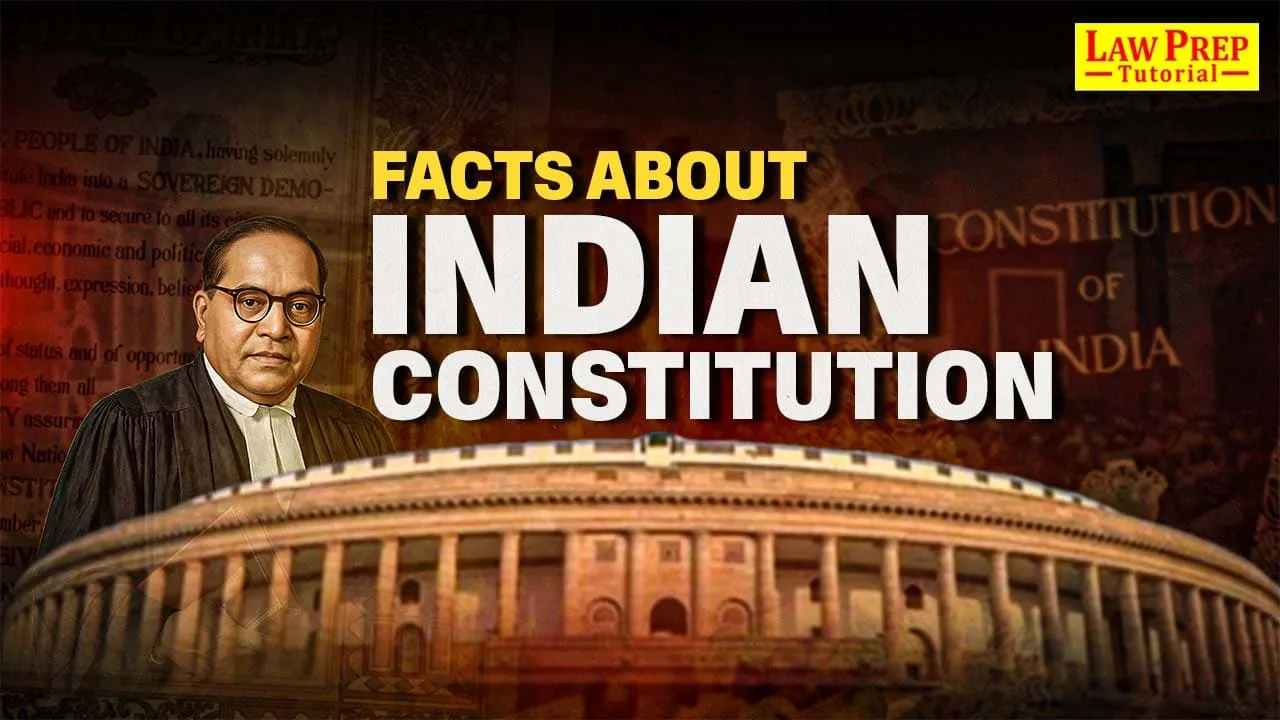
The Constitution of India is the supreme law of the land, laying the foundation for the country’s legal and political framework. Understanding the important facts about Indian Constitution helps us appreciate its significance in our daily lives.
Here, we will discuss the interesting facts about the Constitution of India, from its history and structure to unique aspects and landmark amendments. By learning these essential details, we gain a deeper appreciation for the document that governs and guides our nation.
Table of Contents
Jump to sectionImportant Facts About Indian Constitution
The following are the top 10 facts about constitution of India:
1. Longest Written Constitution
The Indian Constitution is the longest written constitution of any sovereign nation in the world, containing 448 articles in 25 parts, 12 schedules, and 104 amendments as of now.
2. Influences from Other Constitutions
The Indian Constitution draws extensively from various sources, including the British, American, Irish, and Canadian constitutions. For example, the concept of Fundamental Rights was borrowed from the US Constitution.
Some of the concepts taken from other countries are:
- Directive Principles Of State Policy – Ireland
- Fundamental Rights – American Constitution
- Liberty, Equality and Fraternity (Preamble) – France
- Five Year Plans (FYP) – USSR
- Preamble – the United States of America
- Procedure established by Law – Japan
3. Dr. B.R. Ambedkar’s Role
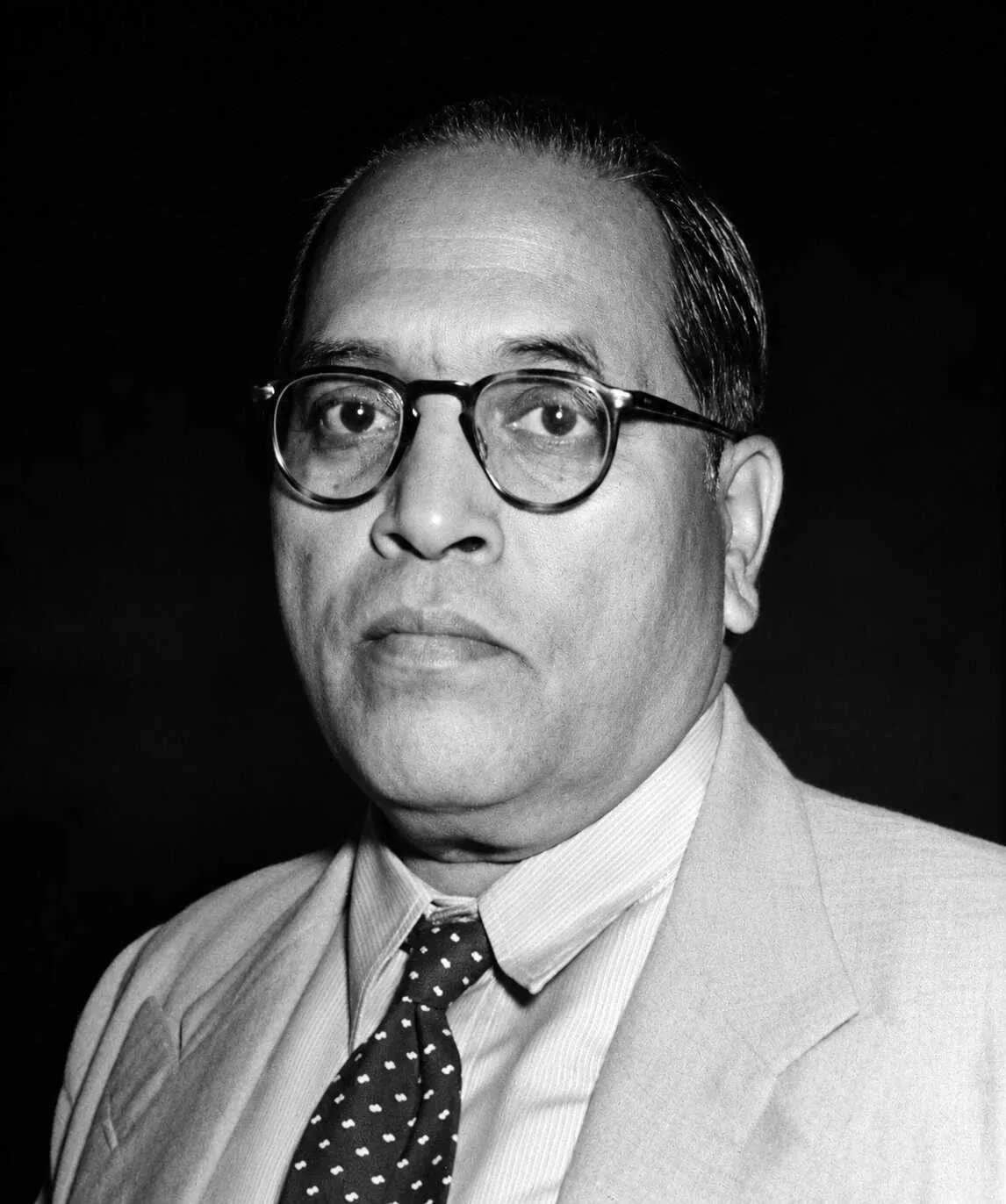
Dr. B.R. Ambedkar, known as the “Father of the Indian Constitution,” was the Chairman of the Drafting Committee and played a crucial role in formulating the document.
4. Handwritten and Illustrated
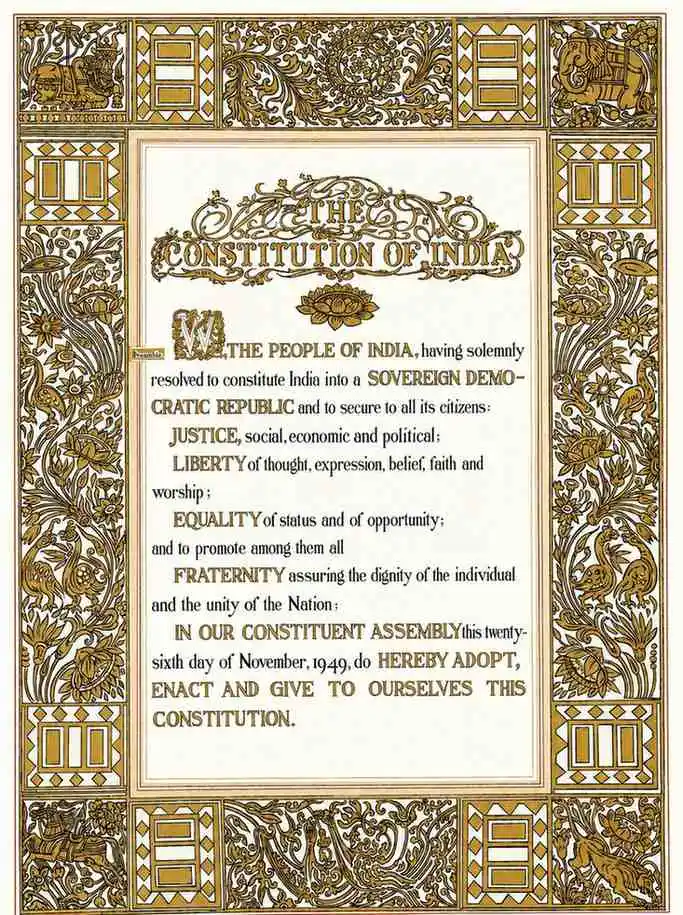
The original copies of the Indian Constitution were handwritten in Hindi and English. These copies were beautifully illustrated by artists from Shantiniketan under the guidance of Nandalal Bose.
5. Preamble as the Essence
The Preamble of the Indian Constitution outlines its core values: Justice, Liberty, Equality, and Fraternity. It serves as an introduction to the Constitution’s principles and objectives.
6. Fundamental Rights and Duties
The Constitution grants Fundamental Rights to protect individual liberties and freedoms. Additionally, the 42nd Amendment introduced Fundamental Duties for citizens to uphold the spirit of patriotism and unity.
7. Amendability
The Indian Constitution is both rigid and flexible. It can be amended as needed, with some parts requiring a simple majority and others needing a special majority in Parliament.
8. Unique Blend of Federal and Unitary Features
The Indian Constitution establishes a federal system with a strong central government, blending both federal and unitary characteristics to maintain national unity and integrity.
9. Directive Principles of State Policy
Inspired by the Irish Constitution, the Directive Principles of State Policy guide the government in making policies and laws aimed at creating a just society, although they are not enforceable by courts.
10. Basic Structure Doctrine
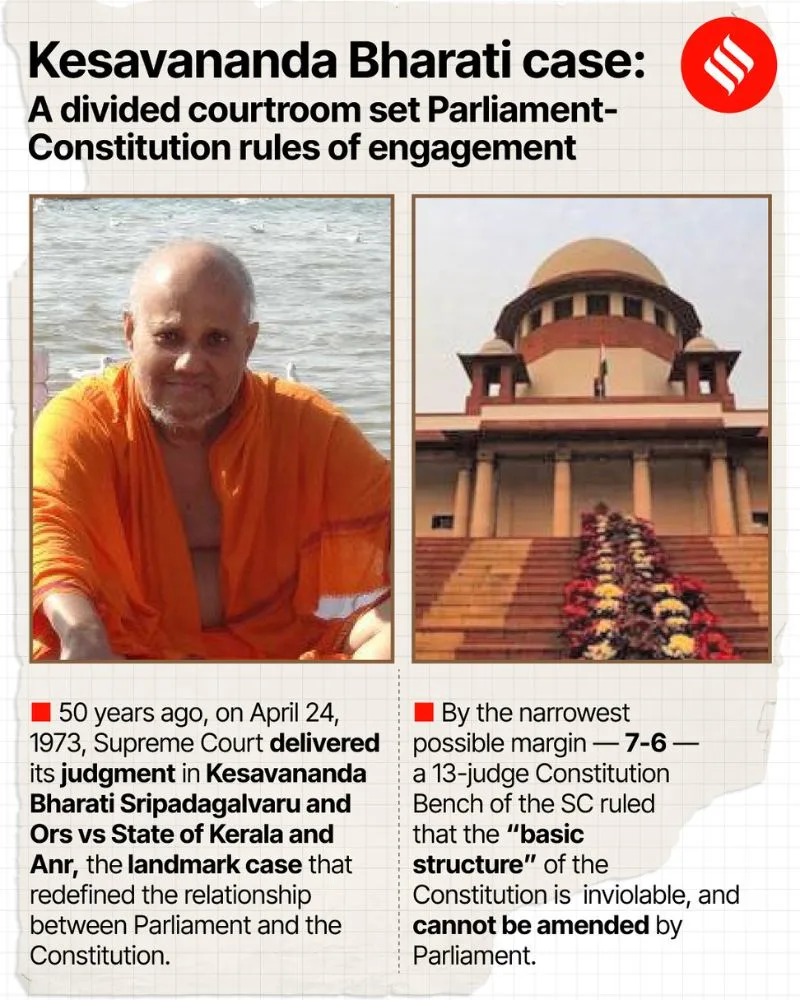
The Supreme Court of India established the Basic Structure Doctrine in the Kesavananda Bharati case (1973), ruling that certain fundamental aspects of the Constitution cannot be altered by amendments, ensuring its core principles remain intact.
Check our Other Blogs:
Interesting Facts About Indian Constitution
The following are top 10 amazing facts about Indian constitution:
1. Initial Framework from the Government of India Act, 1935
The Indian Constitution adopted many provisions from the Government of India Act, 1935, which served as an initial framework for governing the country.
2. Two-Year, Eleven-Month Drafting Period
The Constituent Assembly took almost three years to complete the drafting process, specifically two years, eleven months, and eighteen days, starting from December 9, 1946, to November 26, 1949.
3. First Amendment in 1951
The first amendment to the Indian Constitution was made in 1951, addressing land reform and protecting laws related to it from being challenged as violating Fundamental Rights.
4. Bifurcation of Subjects
The Constitution divides legislative powers between the Union and State governments through three lists: the Union List, State List, and Concurrent List, each detailing subjects under their respective jurisdictions.
5. Presidential Assent Requirement
For a constitutional amendment to come into effect, it must receive the President’s assent after being passed by both Houses of Parliament.
6. Special Provisions for Certain States
Articles 370 and 371 of the Constitution provide special provisions for the states of Jammu and Kashmir and certain other states, granting them unique autonomy and rights.
7. Original Copies in the Library of Parliament
The original handwritten copies of the Indian Constitution are preserved in helium-filled cases in the Library of Parliament House in New Delhi to ensure their longevity.
8. Women’s Representation in Constituent Assembly
The Constituent Assembly of India included 15 women members, who contributed significantly to the drafting process, advocating for women’s rights and social reforms.
9. Dual Citizenship Prohibition
Unlike some countries, the Indian Constitution does not allow dual citizenship. Indian citizens cannot hold citizenship of another country simultaneously.
10. Emergency Provisions
The Constitution includes detailed provisions for declaring a state of emergency under three conditions: war or external aggression, internal disturbance, and financial instability. These provisions grant extensive powers to the central government during emergencies.
Read More Related Articles:
FAQs on Facts About Indian Constitution

SEO Head
Virendra heads SEO & Content at LPT. A writer at heart, he focuses on building exam-focused content that informs, guides, and supports aspirants in their preparation journey.
Constitution of India Trending Blogs
Other Related Blogs