 Talk to a Counsellor
 Support
Class 11 Mother’s Day: Summary, Character Sketch, Theme
Explore the "Mother’s Day" chapter with a detailed summary, character sketch, and theme analysis. Perfect for Class 11 students seeking deeper insights!
Last Updated on 14 Jul 2026


The play Mother’s Day by J.B. Priestley is included in NCERT Snapshots for Class 11 and delivers a strong social message. It highlights how mothers are often overworked, underappreciated, and taken for granted by their families.
Here, you will find the Mother’s Day summary of class 11 explained in simple words, along with the central idea and themes. This summary of Mother’s Day in Class 11th will help you quickly understand the plot, character roles, and the moral of the play, making it useful for both exams and a deeper appreciation of the lesson.
Table of Contents
Jump to section- CLAT PG: All About CLAT Postgraduate Exam for LLM
Summary of Mother’s Day: Class 11th
Mother’s Day by J.B. Priestley is a one-act play that highlights how mothers are often ignored, overworked, and taken for granted in their own homes. It conveys a strong message about respect, equality, and the importance of recognizing the role of mothers in family life.
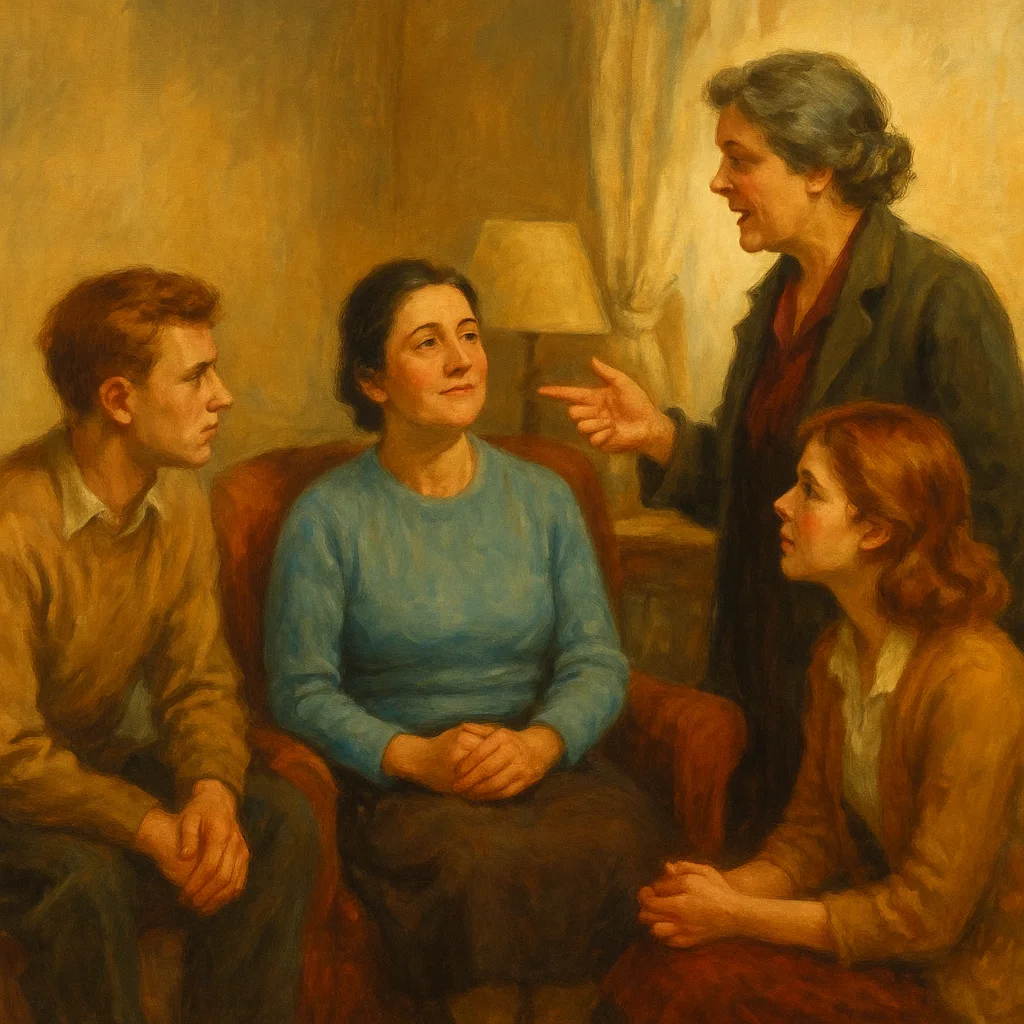
The play begins with Mrs. Pearson, a gentle and soft-hearted woman, who feels unhappy because her husband and children treat her poorly. They expect her to do all the household work, while they spend their time enjoying themselves outside. Mrs. Pearson’s friend and neighbor, Mrs. Fitzgerald, a strong-willed and bold woman, suggests a way to teach the family a lesson. She proposes that they temporarily exchange personalities so that Mrs. Fitzgerald’s firmness can help Mrs. Pearson gain respect at home.
With the exchange complete, Mrs. Pearson suddenly becomes bold and outspoken. Her children, Doris and Cyril, are shocked by her new behavior. Doris complains about her clothes not being ready, while Cyril asks about tea. Mrs. Pearson refuses to serve them and firmly tells them to handle things themselves. The children are surprised and confused, realizing that their mother is no longer willing to be treated like a servant.
When George Pearson, the husband, comes home, he is equally shocked. Instead of quietly listening to him, Mrs. Pearson boldly points out that people at the club laugh behind his back and call him names. George is embarrassed but also realizes that his wife is speaking the truth.
By the end of the play, the family begins to see their mistakes. They understand that Mrs. Pearson has feelings and deserves respect, appreciation, and help with household responsibilities. Mrs. Fitzgerald then changes back to her own personality, leaving Mrs. Pearson more confident than before.
The play concludes with the family agreeing to spend time together at home instead of leaving Mrs. Pearson alone.
Through humor and light drama, Mother’s Day story in Class 11th teaches an important lesson: mothers are not servants but equal members of the family who deserve love, respect, and support. It encourages families to share responsibilities and value the hard work mothers do every day.
Short Summary of Mother’s Day in Class 11th
J.B. Priestley’s Mother’s Day is a one-act play that exposes how mothers are often overworked and undervalued in their families. The story revolves around Mrs. Pearson, a kind woman who feels neglected by her husband George and children Doris and Cyril.
They take her for granted, expecting her to serve them without appreciation. Her neighbor, Mrs. Fitzgerald, suggests a bold plan—exchanging personalities so Mrs. Pearson can stand up for herself.
Once this happens, Mrs. Pearson shocks her family by refusing to do chores and openly criticizing their behavior. Doris and Cyril are stunned when she tells them to manage on their own. George too is embarrassed when she points out how people mock him at the club. Slowly, the family realizes their mistakes.
In the end, they agree to respect Mrs. Pearson and share responsibilities, highlighting the need for equality and appreciation at home.
More Important Resources for CBSE Exam:
| Class 11th Hornbill Syllabus | CBSE Class 11th Commerce Subjects |
| CBSE Full Form | All about CBSE Class 11th |
| Class 11th Syllabus | Class 12th Syllabus |
| Class 11th Commerce Books | CBSE Board: All details |
Mother’s Day Class 11: Character Sketch
Find below the character sketch of Mrs Pearson, Mrs. Fitzgerald, and others:
| Character | Traits | Role in the Play |
| Mrs. Pearson | Gentle, kind, overworked, initially timid, later firm and assertive | A devoted mother who feels neglected by her husband and children. With Mrs. Fitzgerald’s help, she learns to assert herself and demands respect at home. |
| Mrs. Fitzgerald | Bold, strong-willed, practical, confident, dominating | The neighbor who guides Mrs. Pearson. By exchanging personalities, she empowers Mrs. Pearson to confront her family and change their behavior. |
| George Pearson | Ignorant, indifferent, selfish, somewhat foolish | Mrs. Pearson’s husband. He spends most of his time at the club, neglects his wife, and is embarrassed when told people mock him there. |
| Doris Pearson | Self-centered, demanding, careless, rude at first | Mrs. Pearson’s daughter. She takes her mother for granted, but is shocked when her mother refuses to serve her. Eventually, she realizes her mistake. |
| Cyril Pearson | Casual, thoughtless, dependent, careless | Mrs. Pearson’s son. He expects his mother to serve him and is surprised when she refuses. Learns to respect her by the end of the play. |
Check the latest CBSE Class 11 syllabus for all subjects below:
Central Idea of Mother’s Day in Class 11th
The central idea of Mother’s Day is to highlight how mothers are often undervalued, overworked, and taken for granted in their families. J.B. Priestley uses humor and drama to show that a mother’s love should not be mistaken for servitude.
Through Mrs. Pearson’s transformation with the help of Mrs. Fitzgerald, the play emphasizes the need for equality, respect, and shared responsibilities at home. It teaches that mothers deserve appreciation not just on special occasions but every day, as they are central to the happiness and unity of the family.
Read the chapter-wise summaries of Class 11 English here:
Theme of Mother’s Day Chapter
The theme of Mother’s Day is respect, equality, and recognition of mothers within the family. It shows how women, especially housewives, are often taken for granted and treated like unpaid servants.
Through Mrs. Pearson’s bold stand, the play stresses the need for family members to share responsibilities, value a mother’s contribution, and treat her with love and dignity rather than neglect and indifference.
Message of the Mother’s Day Story in Class 11
- Respect mothers: They are not servants but equal members of the family.
- Share responsibilities: Household chores should not be the mother’s burden alone.
- Value emotional labor: A mother’s love and effort deserve appreciation.
- Do not take women for granted: Treating mothers as invisible or secondary is unfair.
- Self-respect is essential: Mothers must assert themselves to gain recognition.
- Humor can teach lessons: Light drama can effectively highlight social issues.
- Family unity depends on equality: Mutual respect strengthens family bonds.
About the Author of Mother’s Day – J.B. Priestley
John Boynton Priestley (1894–1984), popularly known as J.B. Priestley, was an English novelist, playwright, essayist, and social commentator. He is best remembered for his plays that combined entertainment with strong social messages. His works often dealt with themes of class, family relationships, morality, and social responsibility.
Priestley served in World War I, and the experience influenced much of his later writing, where he highlighted the struggles of ordinary people. Some of his most famous works include the play An Inspector Calls (1945) and novels like The Good Companions (1929).
Find detailed questions and answers from all chapters of English Class 11 now:
FAQs on Class 11 Mother’s Day Summary

SEO Head
Virendra heads SEO & Content at LPT. A writer at heart, he focuses on building exam-focused content that informs, guides, and supports aspirants in their preparation journey.