
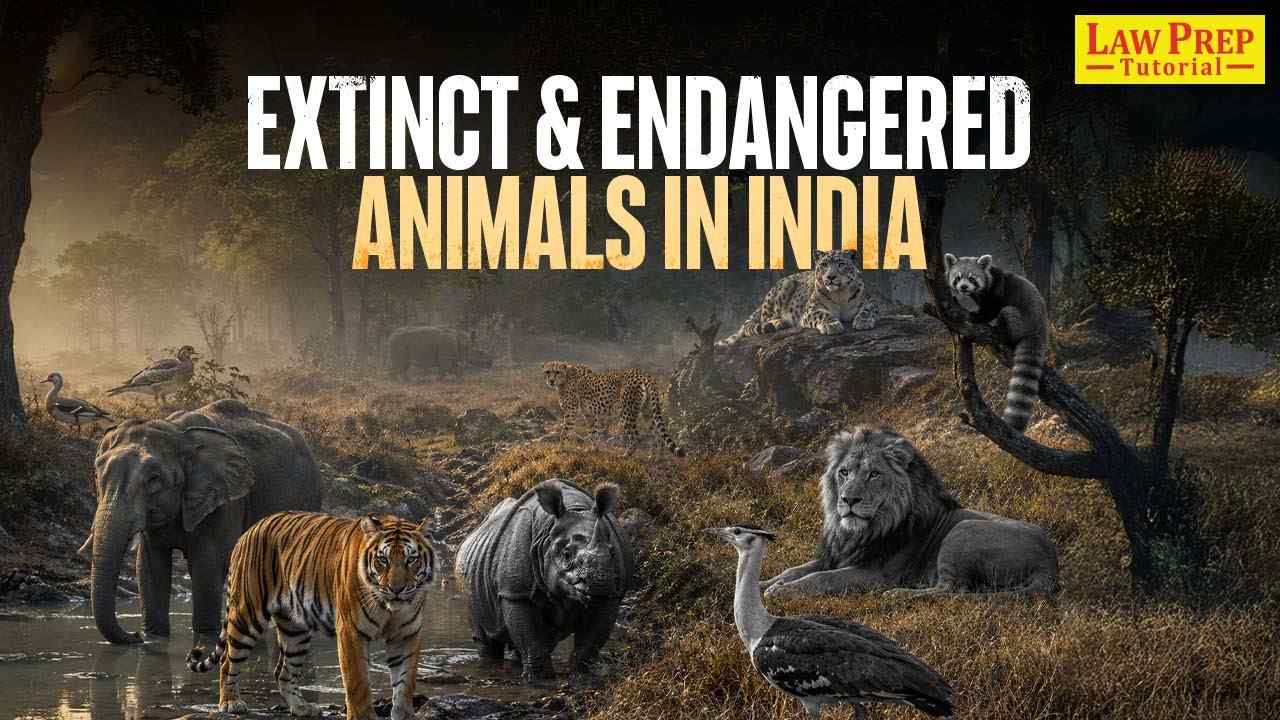

India has always been home to some of the world’s most beautiful and unique wildlife, but sadly many species now exist only in history books and memories. The Asiatic Cheetah, Pink-headed Duck, and Javan Rhinoceros are among the well-known Indian extinct animals that once moved freely across forests and grasslands.
Their silence reminds us that extinction is not just about losing an animal, but losing a part of nature forever. Today, species like the Great Indian Bustard, Snow Leopard, and Ganges River Dolphin are fighting for survival.
Below, let’s learn about extinct animals in India with names and pictures, endangered species, and the stories behind their disappearing existence.
Extinct Animals in India
This is the list of animals extinct in India:
| Extinct Animal | Scientific Name | Last Known Presence in India | Main Reason for Extinction/Disappearance |
| Asiatic Cheetah | Acinonyx jubatus venaticus | Last officially recorded in 1952 | Excessive hunting and habitat loss |
| Pink-headed Duck | Rhodonessa caryophyllacea | Early 20th century | Wetland destruction and hunting |
| Javan Rhinoceros | Rhinoceros sondaicus | Around the 1920s | Hunting and shrinking habitat |
| Sumatran Rhinoceros | Dicerorhinus sumatrensis | Early 1900s | Hunting and forest destruction |
| Himalayan Quail | Ophrysia superciliosa | Last recorded in 1876 | Habitat changes and hunting |
| Malabar Civet | Viverra civettina | Possibly extinct in recent decades | Habitat loss |
| Indian Aurochs | Bos primigenius namadicus | Ancient India | Hunting and environmental changes |
Let’s talk in detail about the animals which are extinct in India:
1. Asiatic Cheetah
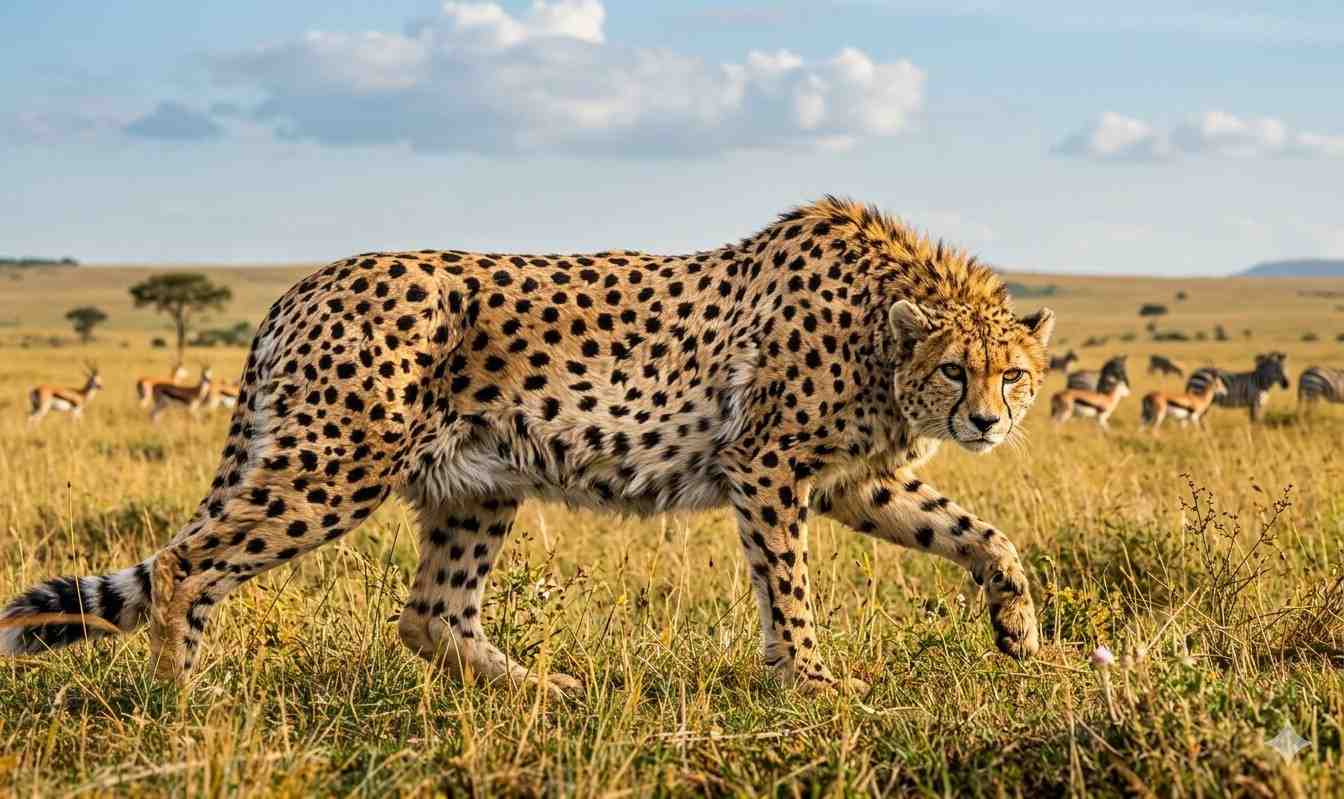
The Asiatic Cheetah is one of the most talked-about Indian extinct animals because it was once a fast and powerful hunter across India’s grasslands and forests. During the Mughal period, rulers kept hundreds of cheetahs for hunting purposes.
Over time, excessive hunting by kings and later by British rulers reduced their population sharply. Their natural habitat also started disappearing because of human settlements and agriculture.
The last three wild Asiatic Cheetahs in India were reportedly hunted in present-day Chhattisgarh in 1947. In 1952, India officially declared the species extinct within the country.
2. Pink-headed Duck
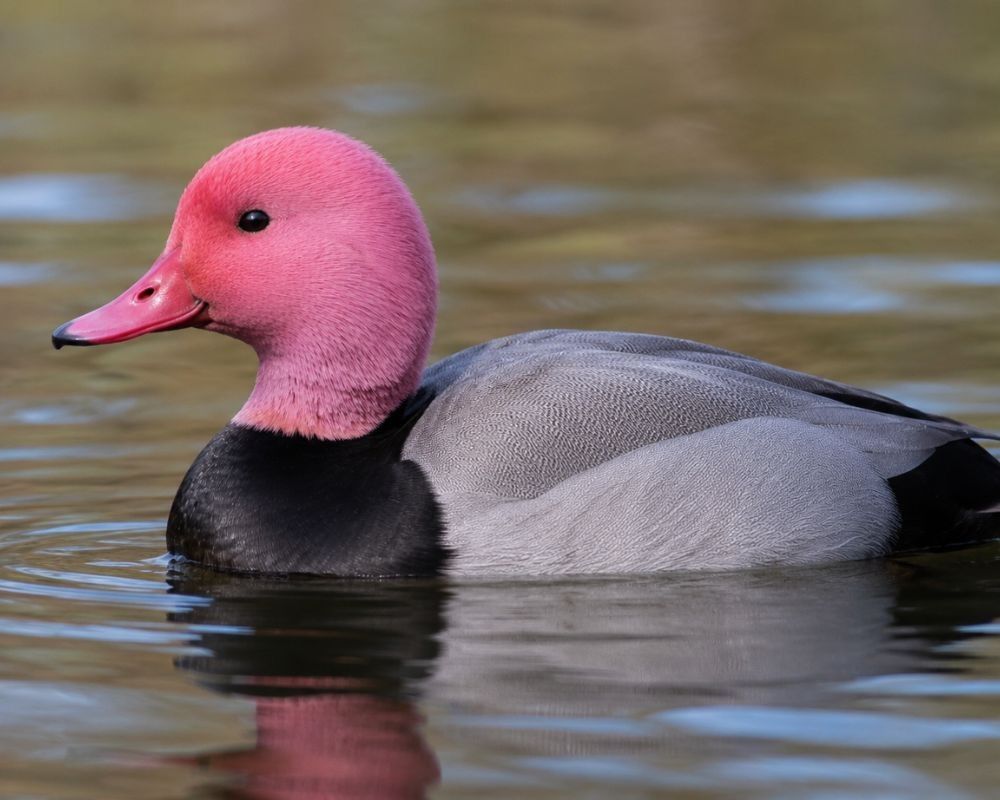
The Pink-headed Duck was among the rarest birds found in India and nearby regions. It was famous for its beautiful pink-colored head and neck, making it different from other water birds. The species mainly lived around wetlands, rivers, and marshes of eastern India.
Large-scale destruction of wetlands and uncontrolled hunting caused a major decline in its numbers. The bird was last reliably seen in the early twentieth century, and despite several searches by wildlife experts, no confirmed sighting has been recorded since then. Today, it remains one of India’s greatest wildlife mysteries.
3. Javan Rhinoceros
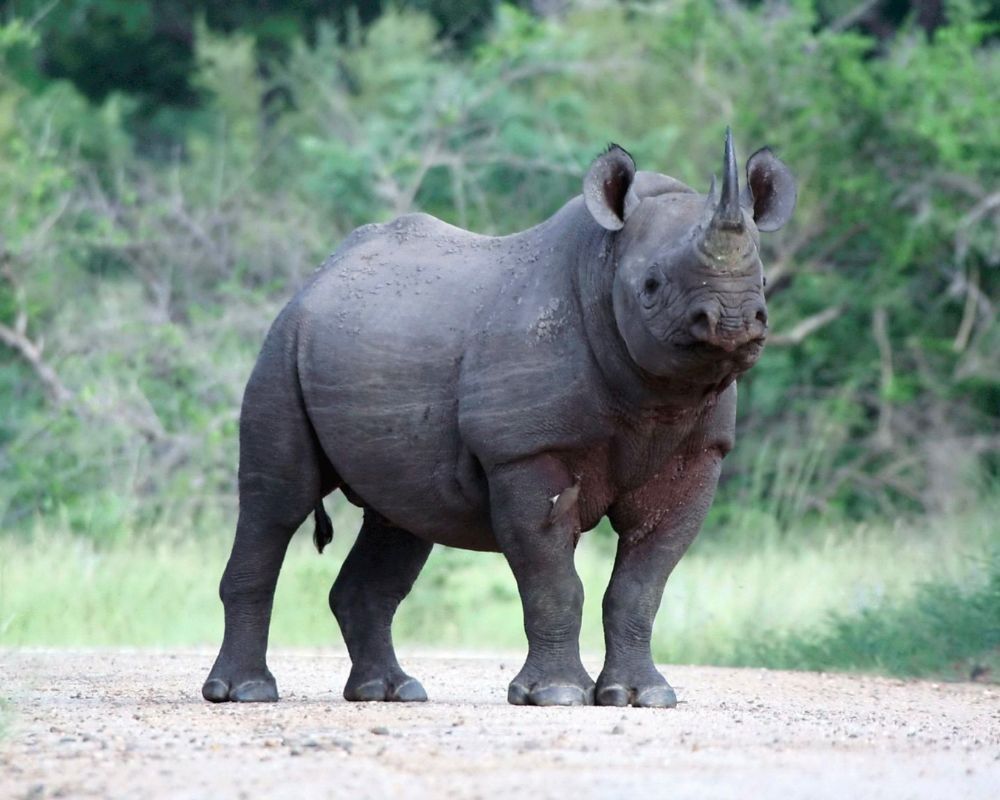
The Javan Rhinoceros once lived in the forests of northeastern India and parts of South Asia. This rhino species had thick skin and a single horn. Its horn was highly valued because of beliefs that it had medicinal properties, leading to heavy hunting.
At the same time, expanding human activities reduced forest areas and grasslands required for survival. By the early twentieth century, the species disappeared from India. Today, the remaining global population survives only in a small protected area outside India, making it one of the world’s rarest large mammals.
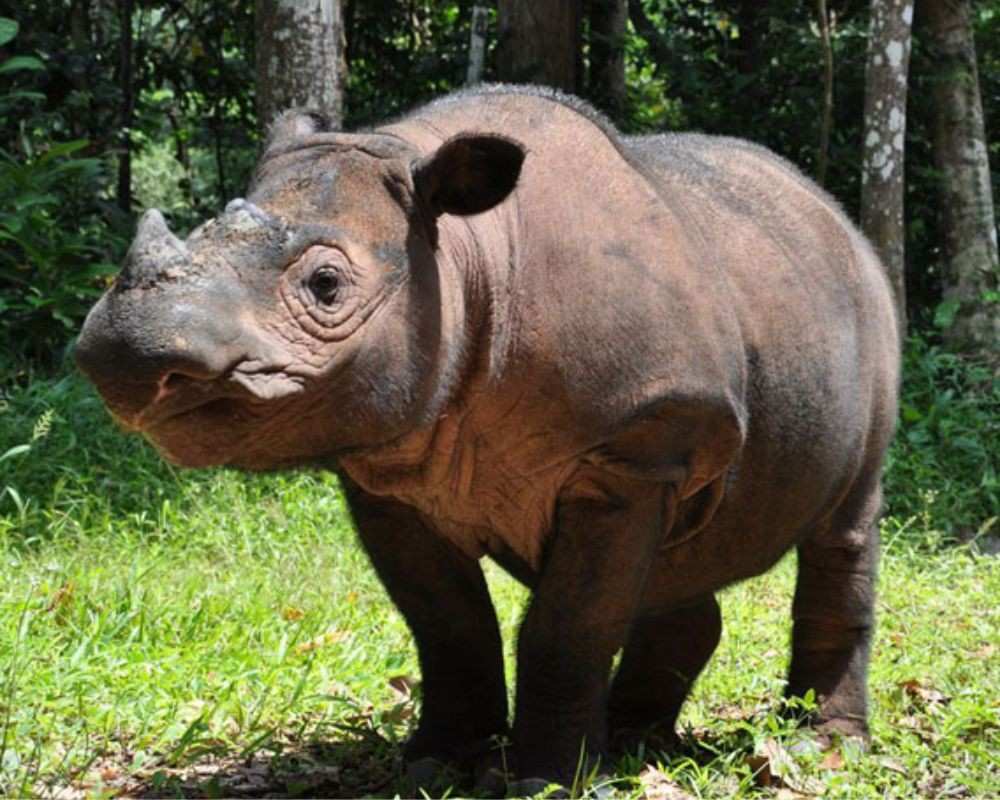
4. Sumatran Rhinoceros
The Sumatran Rhinoceros was the smallest rhinoceros species and was once found in northeastern India. Unlike many other rhinos, it had a hairy body and lived in dense forests. Hunting for horns and rapid destruction of forests became the main reasons for its disappearance.
Human activities kept reducing its habitat, leaving the animal with fewer safe areas to survive. Eventually, the species vanished from India during the early twentieth century. Today, it survives only in a few isolated populations in Southeast Asia and remains critically endangered worldwide.
5. Himalayan Quail
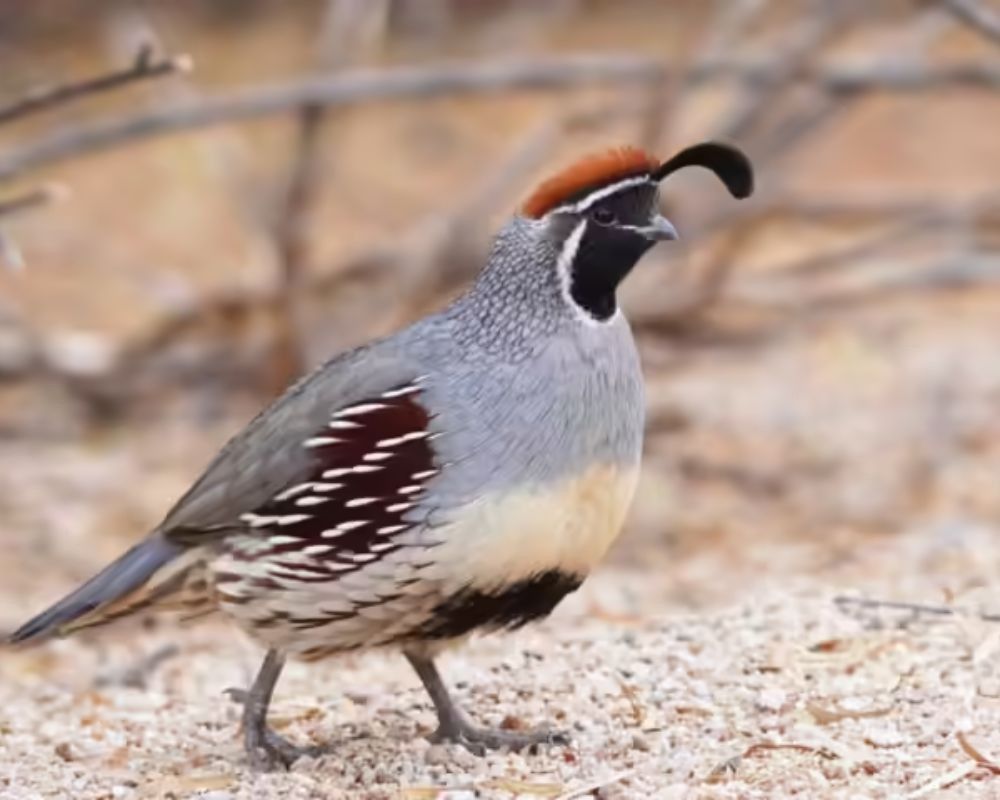
The Himalayan Quail was a small bird found in the Himalayan regions of India, especially around Uttarakhand. It was difficult to spot because of its shy behavior and grassland habitat. The last confirmed record of the bird dates back to 1876.
Scientists believe that changes in grassland ecosystems, human settlement, and hunting contributed to its disappearance. Some wildlife experts still hope the species may survive in remote mountain regions because similar “lost species” have reappeared after many years. However, no confirmed sighting has occurred in more than a century.
6. Malabar Civet
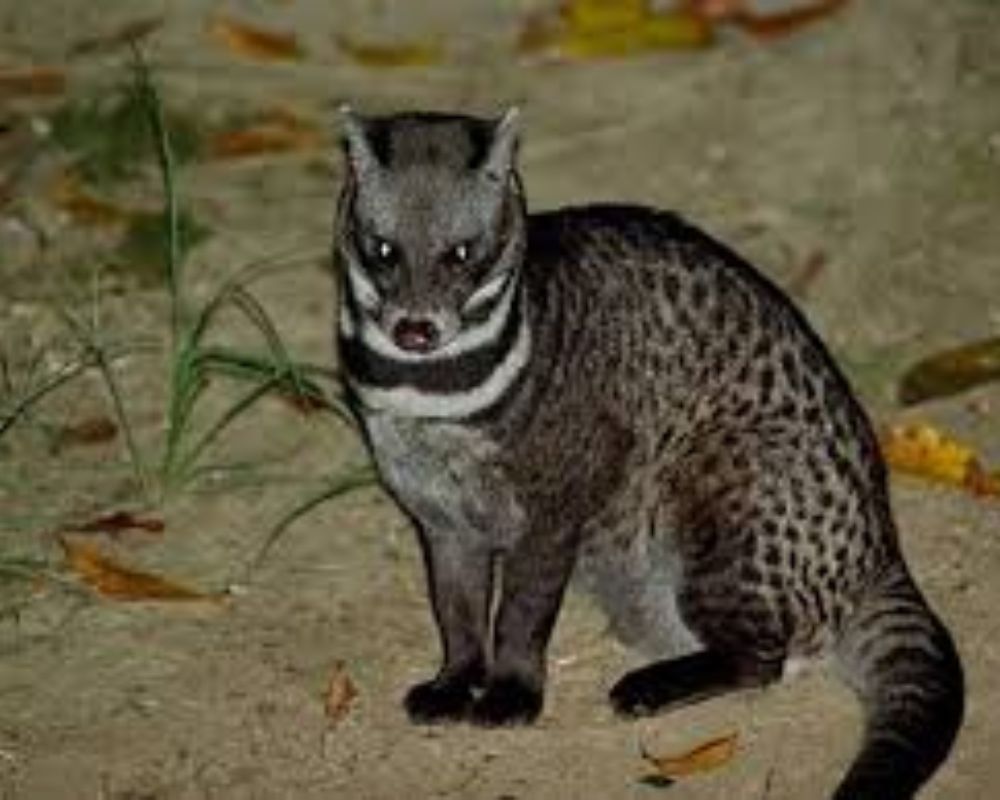
The Malabar Civet is native to India’s Western Ghats and is considered among the rarest mammals linked to India. It lived mainly in dense forests and fed on fruits, insects, and small animals. Large-scale cutting of forests and agricultural expansion greatly reduced its habitat. Very few confirmed sightings have been reported in recent decades.
Some researchers believe it may already be extinct, while others think tiny populations may still survive in isolated forest regions. Its story highlights how habitat destruction can quietly push animals toward disappearance.
7. Indian Aurochs
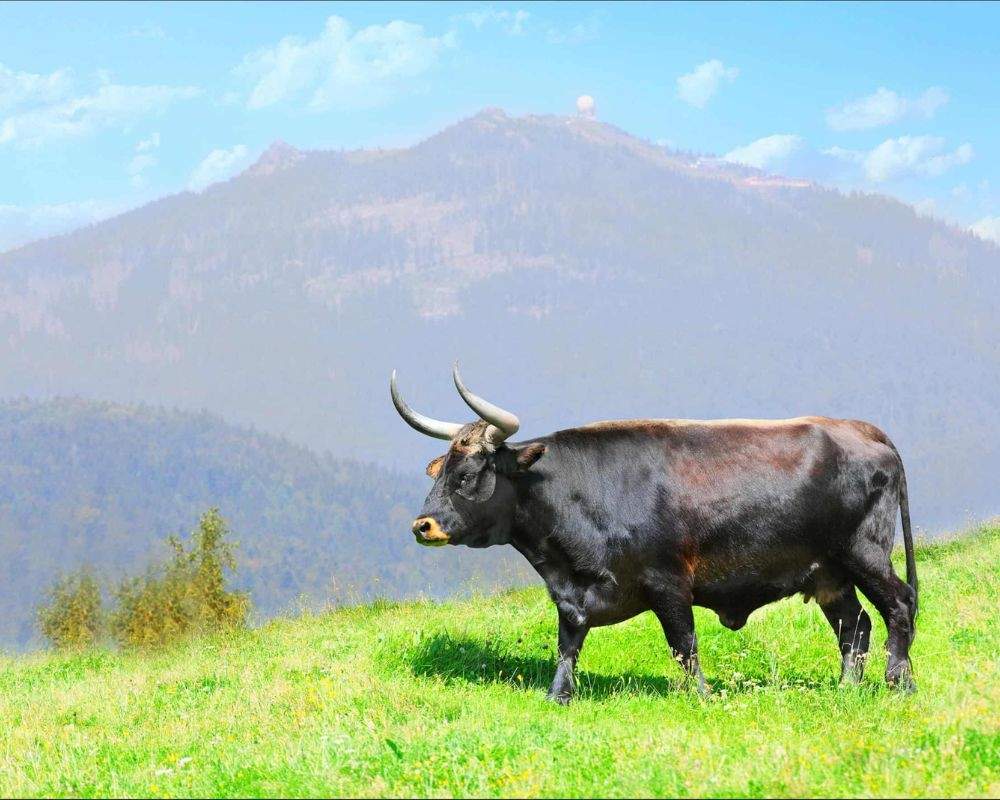
The Indian Aurochs was a giant wild ancestor of modern cattle and once lived across parts of India. It was much larger and stronger than domestic cows. Ancient humans hunted these animals for food and resources. Environmental changes and pressure from human populations gradually reduced their numbers.
Over time, the species disappeared completely. Though extinct, scientists believe that many modern cattle breeds still carry traits inherited from these powerful wild animals. The Indian Aurochs remains an important part of India’s natural history.
Endangered Animals in India (On the Verge of Extinction)
These are the Indian animals on the verge of extinction:
| Endangered Animal | Estimated Current Population | Main Habitat in India | Current Threats |
| Bengal Tiger | Around 3,600+ | Madhya Pradesh, Karnataka, Uttarakhand, Maharashtra and other forests | Poaching, habitat fragmentation, human encroachment |
| Great Indian Bustard | Around 150 or fewer | Rajasthan and Gujarat grasslands | Power line collisions, habitat loss, low breeding rate |
| Snow Leopard | Around 700–800 in India | Himalayan regions of Ladakh, Himachal Pradesh, Uttarakhand, Sikkim | Climate change, hunting, loss of prey |
| Red Panda | Around 2500+ in India | Sikkim and Arunachal Pradesh | Deforestation, habitat fragmentation, illegal trade |
| Ganges River Dolphin | Around 6,000 | Ganga-Brahmaputra river system | River pollution, dams, fishing nets |
| Hangul | Around 280–300 | Jammu and Kashmir | Habitat reduction, livestock grazing, inbreeding |
| Lion-tailed Macaque | Around 4,000 | Western Ghats | Forest fragmentation, road development |
| Indian Elephant | Around 22,000–23,000 | Karnataka, Assam, Kerala, Tamil Nadu | Human-elephant conflict, habitat loss, rail accidents |
| Gharial | Around 3,000 | Northern river systems | Sand mining, pollution, fishing activities |
| Nilgiri Tahr | Around 2,600–3,000 | Western Ghats | Habitat loss, invasive species, tourism pressure |
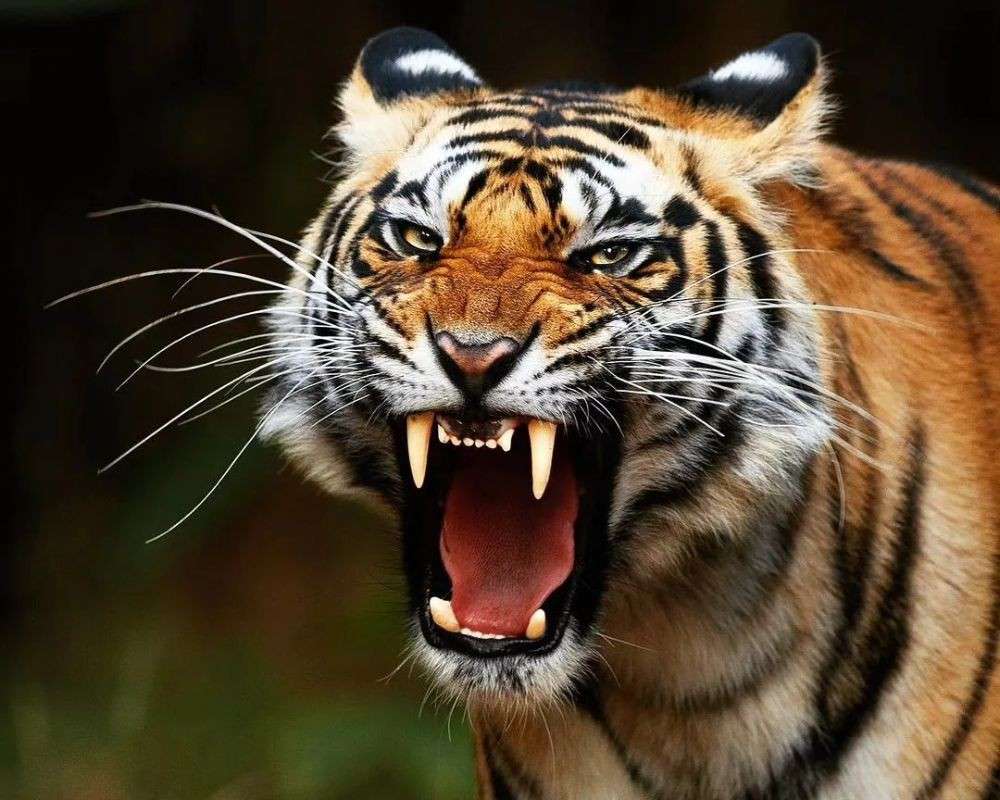
1. Bengal Tiger
The Bengal Tiger is India’s national animal and one of the most powerful predators in the world. It plays an important role in maintaining ecological balance in forests. Earlier, uncontrolled hunting and habitat destruction caused a major decline in tiger numbers.
Current Population: Around 3,600+ in India
Current Threats:
- Poaching for illegal wildlife trade
- Shrinking forest areas
- Human settlements entering wildlife zones
- Human-tiger conflicts
2. Great Indian Bustard
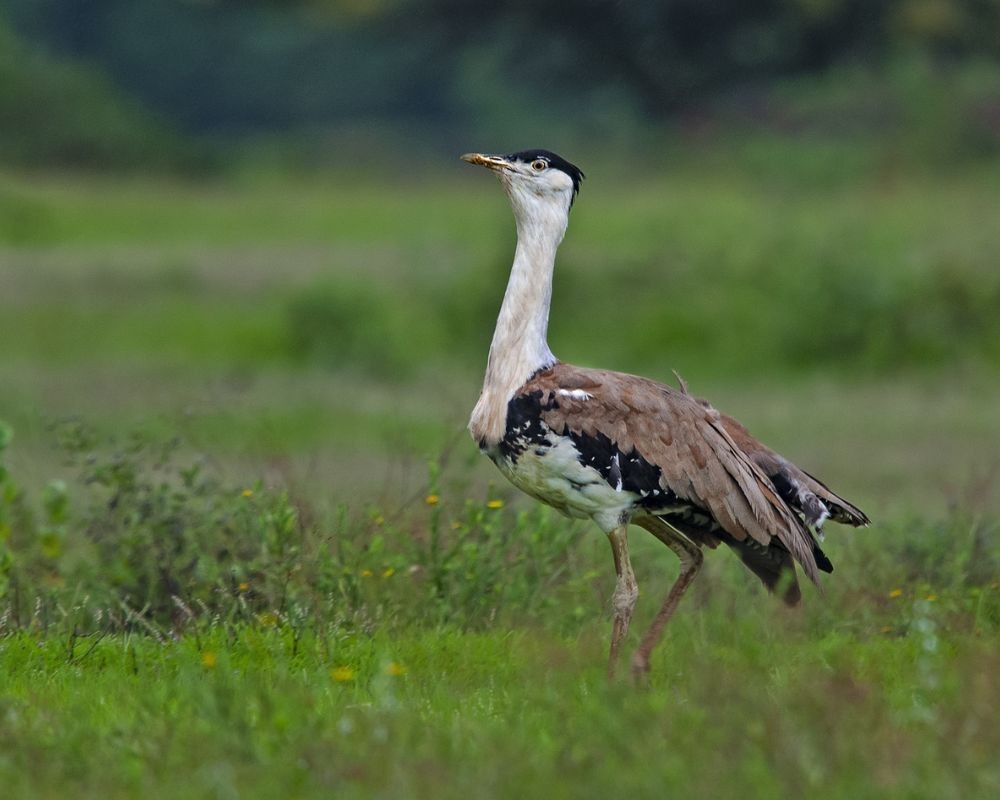
The Great Indian Bustard is among the rarest birds in the world and is now extremely close to extinction. Earlier, it was commonly seen across grasslands in Rajasthan, Gujarat, Maharashtra, and other regions of India.
Rapid urban development, agricultural expansion, and changes in grassland ecosystems reduced its habitat significantly. Since the species lays very few eggs, population recovery has also become difficult. Wildlife conservation teams are actively working to save the remaining birds.
Current Population: Around 150 or fewer
Current Threats:
- Collision with power transmission lines
- Loss of grassland habitat
- Human activities near breeding areas
- Very low reproductive rate
3. Snow Leopard
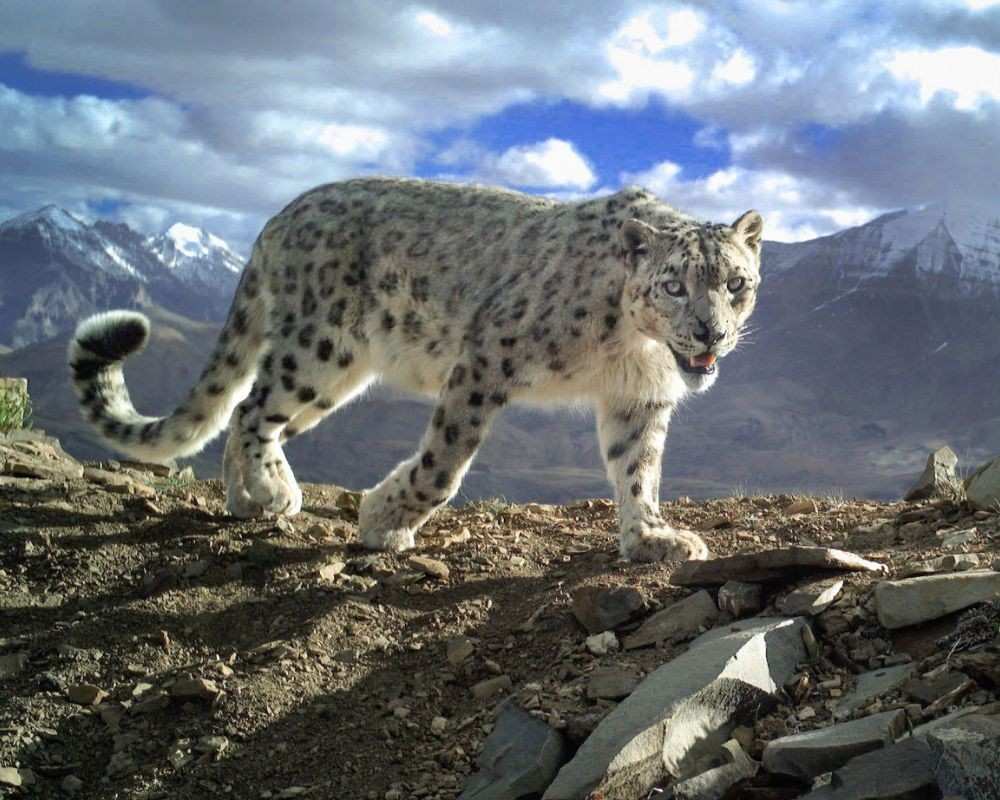
The Snow Leopard is called the “ghost of the mountains” because it lives in remote Himalayan regions and is rarely seen by humans. It survives in harsh weather conditions due to its thick fur and strong body structure.
The animal plays an important role in maintaining balance in mountain ecosystems. Environmental changes and human activities have increased pressure on its habitat over time.
Current Population: Around 700–800 in India
Current Threats:
- Climate change reducing snowy habitats
- Hunting and poaching
- Decline in prey animals
- Human-wildlife conflicts
4. Red Panda
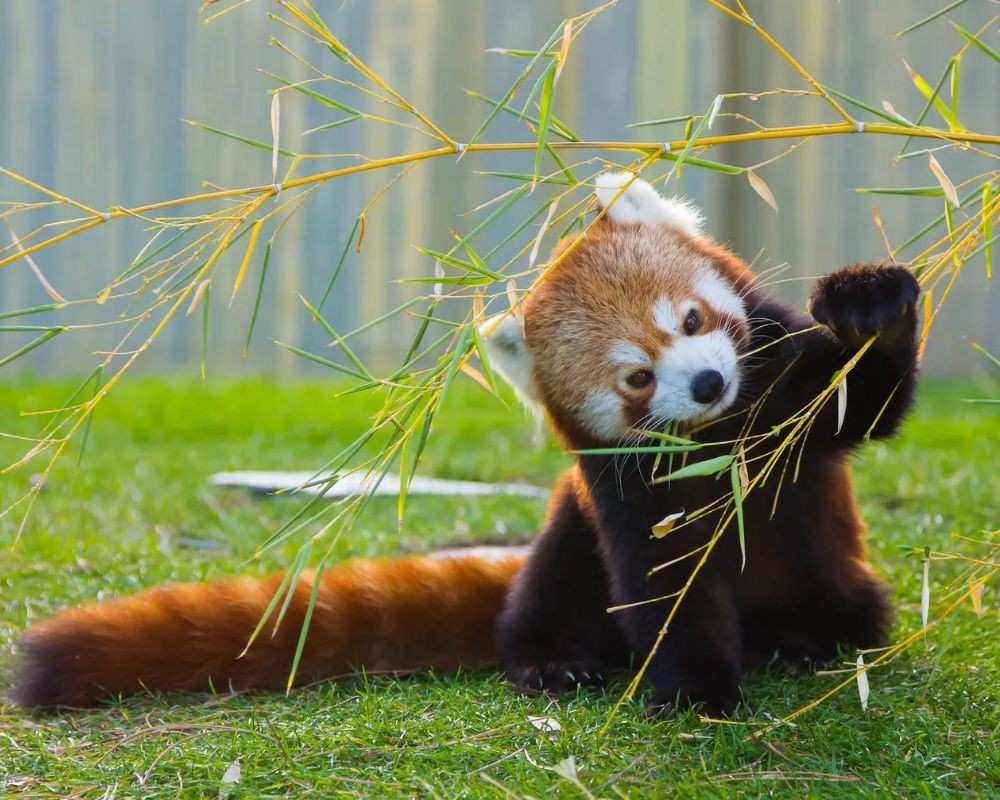
The Red Panda is a small and attractive animal recognized by its reddish-brown fur and long tail. It mainly lives in the forests of Sikkim and Arunachal Pradesh. Though often associated with giant pandas, it belongs to a completely different family. It depends heavily on bamboo forests for food and shelter. Shrinking forests are creating difficulties for its survival.
Current Population: Around 2,500 in India
Current Threats:
- Deforestation
- Habitat fragmentation
- Illegal wildlife trade
- Climate change impacts
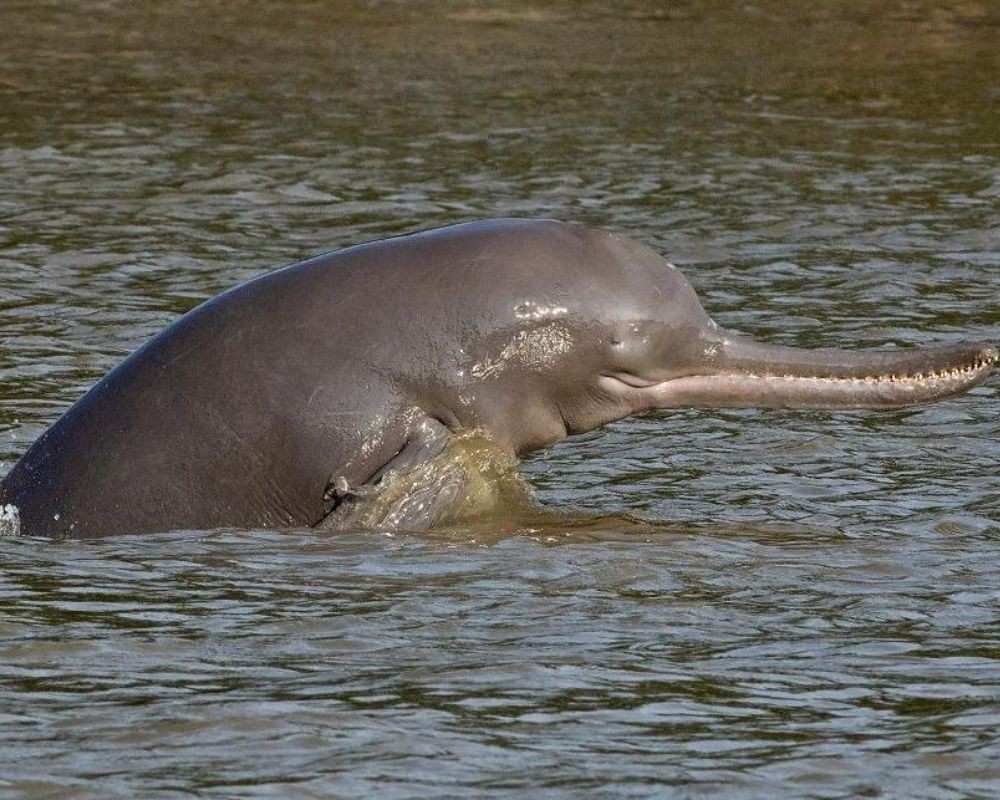
5. Ganges River Dolphin
The Ganges River Dolphin is India’s national aquatic animal and one of the few freshwater dolphin species in the world. It relies on healthy river ecosystems to survive and uses sound waves for navigation because of its weak eyesight. Declining river quality has affected its numbers over the years.
Current Population: Around 6,000
Current Threats:
- Water pollution
- Construction of dams
- Fishing nets and accidental capture
- Habitat fragmentation
6. Hangul
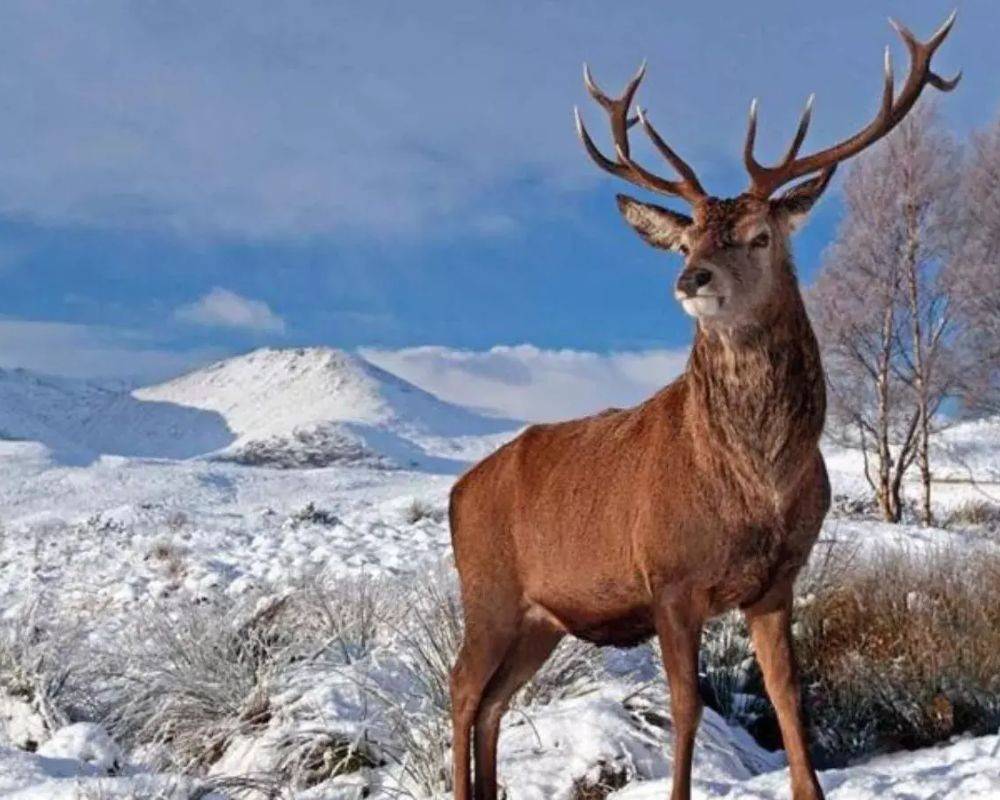
Hangul, also known as the Kashmir stag, is a rare deer species mainly found in Jammu and Kashmir. It is known for its large antlers and graceful appearance. Habitat changes and human interference caused a major reduction in its population over time.
Current Population: Around 280–300
Current Threats:
- Habitat loss
- Livestock grazing pressure
- Human encroachment
- Limited genetic diversity
7. Lion-tailed Macaque
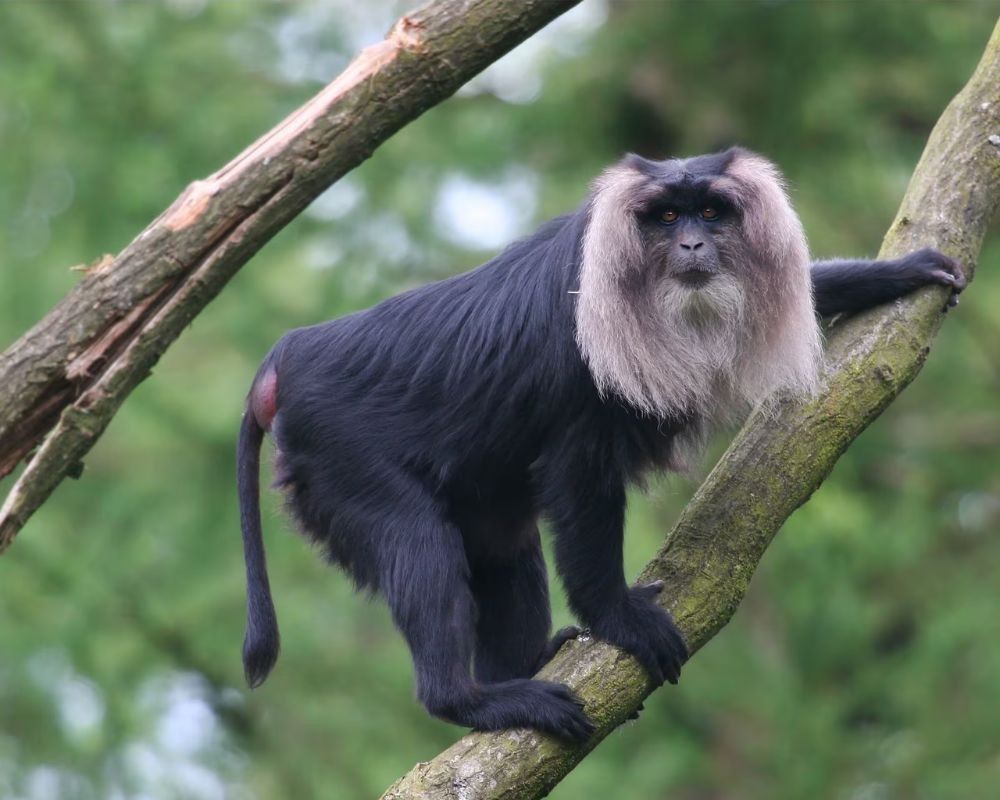
The Lion-tailed Macaque is one of India’s rarest monkey species and is mainly found in the Western Ghats. It spends most of its life on trees and depends on forest ecosystems for food and protection. Large-scale cutting of forests divided animal groups and affected their natural movement.
Current Population: Around 3,000–3,500
Current Threats:
- Forest fragmentation
- Road construction through habitats
- Human settlements
- Reduced food availability
8. Indian Elephant
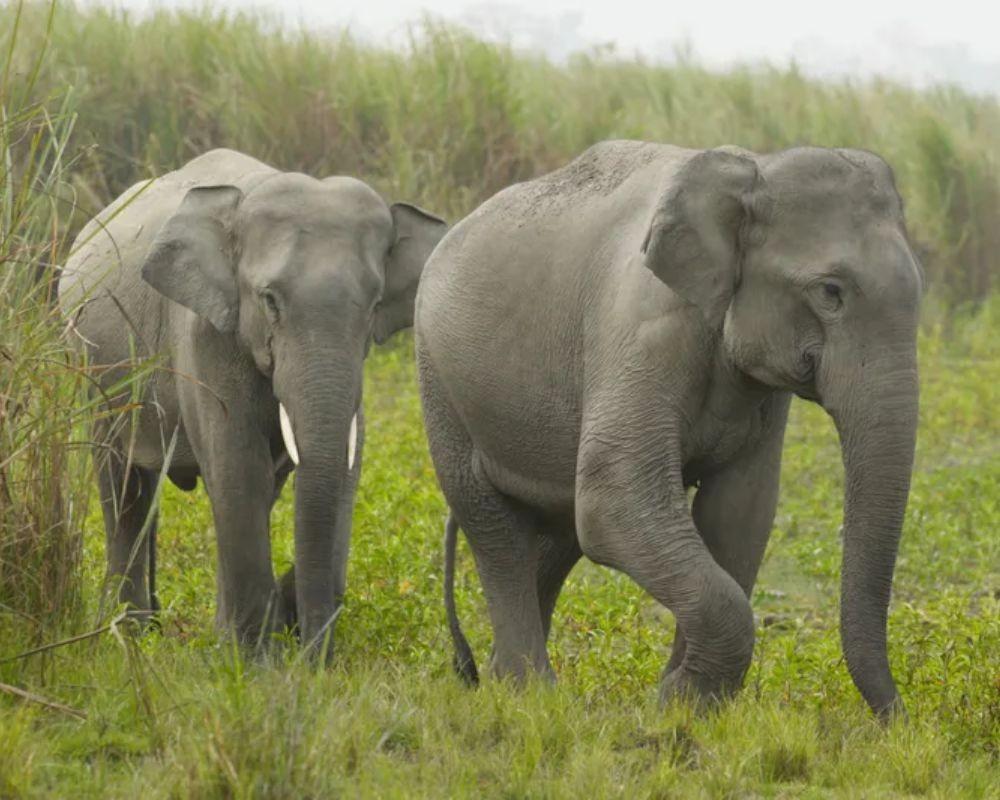
Indian Elephants are among the largest land animals in Asia and have ecological importance because they help spread seeds across forests. Their movement patterns help maintain healthy ecosystems. However, expanding cities and infrastructure have created challenges for their survival.
Current Population: Around 27,000–30,000
Current Threats:
- Human-elephant conflicts
- Habitat destruction
- Railway and road accidents
- Illegal hunting
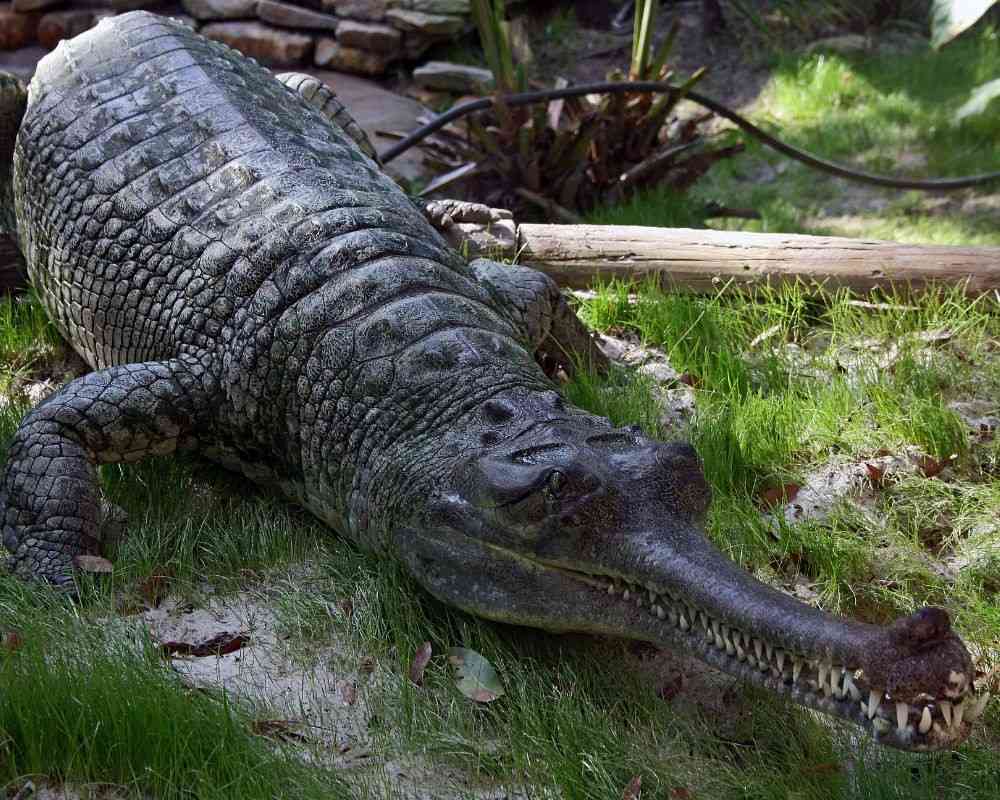
9. Gharial
The Gharial is a unique crocodile species known for its long and narrow snout. It mainly survives on fish and depends heavily on clean river systems. Earlier, it was found across several river systems, but its numbers declined sharply because of habitat destruction.
Current Population: Around 3,000
Current Threats:
- River pollution
- Sand mining
- Fishing activities
- Loss of nesting areas
10. Nilgiri Tahr
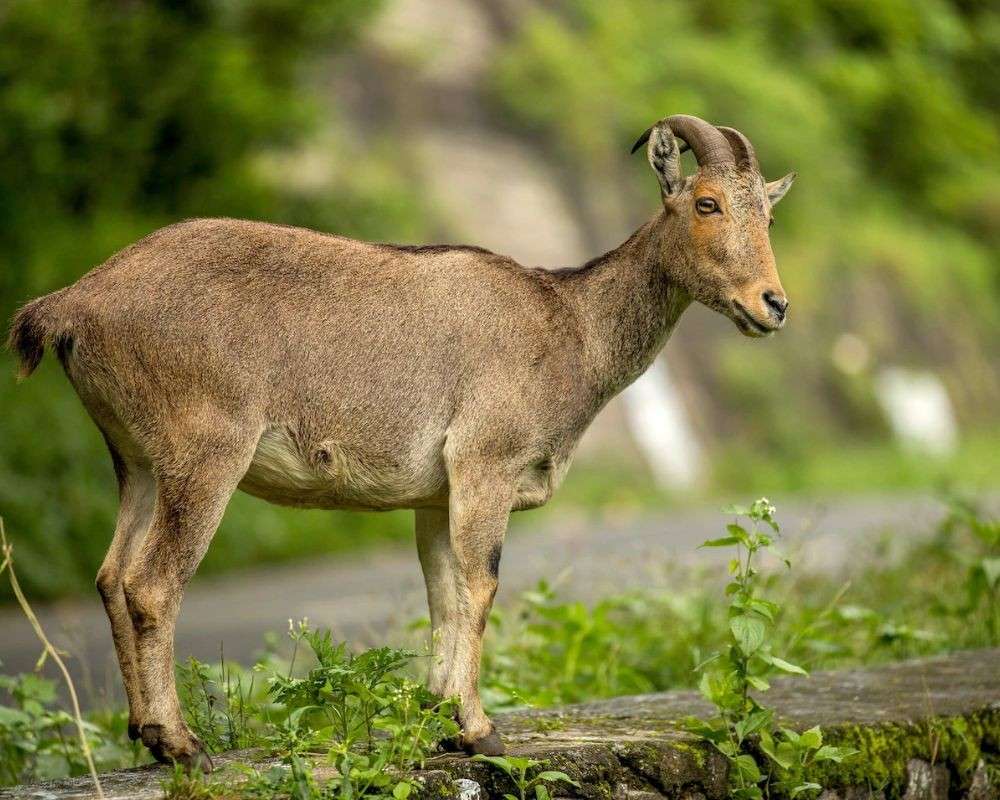
The Nilgiri Tahr is a mountain-dwelling animal found in the Western Ghats of southern India. It is known for its ability to move across steep rocky areas. Earlier hunting and habitat destruction significantly affected its population, although conservation efforts have improved its condition.
Current Population: Around 2,600–3,000
Current Threats:
- Habitat destruction
- Invasive plant species
- Tourism pressure
- Climate changes affecting mountain ecosystems
What Are Extinct Animals?
Extinct animals are species that no longer exist anywhere on Earth because no living members of that species remain alive. Once the last individual of a species dies, it becomes extinct and cannot naturally return.
Extinction can happen because of habitat loss, hunting, climate change, pollution, or other environmental changes.
Examples of extinct animals include the Asiatic Cheetah in India, Pink-headed Duck, and globally known species like the Dodo.
What Are Endangered Animals?
Endangered animals are species whose population has fallen to dangerously low levels and they face a high risk of becoming extinct in the future. These animals still exist, but their survival is under serious threat due to factors like habitat destruction, poaching, climate change, and human activities.
If proper conservation efforts are not taken, endangered animals may disappear forever. Examples include the Great Indian Bustard, Snow Leopard, and Ganges River Dolphin.
Must Explore GK Topics for students.
Why Animals Become Endangered or Extinct?
Animals do not suddenly disappear from Earth. In most cases, extinction happens slowly over many years because of natural changes and human activities. As habitats shrink and survival becomes difficult, animal populations begin declining. If proper action is not taken, endangered species can eventually become extinct.
Below are some major reasons behind the extinction of animals and possible ways to reduce these risks.
Habitat Loss and Deforestation
Habitat loss happens when forests, grasslands, wetlands, rivers, and other natural living spaces are destroyed or changed. Humans cut forests for agriculture, industries, roads, cities, and infrastructure development.
When animals lose their homes, they struggle to find food, shelter, and breeding areas. Small populations become separated from each other, reducing their chances of survival.
How it happens:
- Cutting forests for urban development
- Construction projects
- Expansion of farming land
- Mining activities
Possible Solutions:
- Increase forest conservation programs
- Create wildlife reserves and protected areas
- Promote sustainable land use practices
- Plant more trees and restore ecosystems

Hunting and Poaching
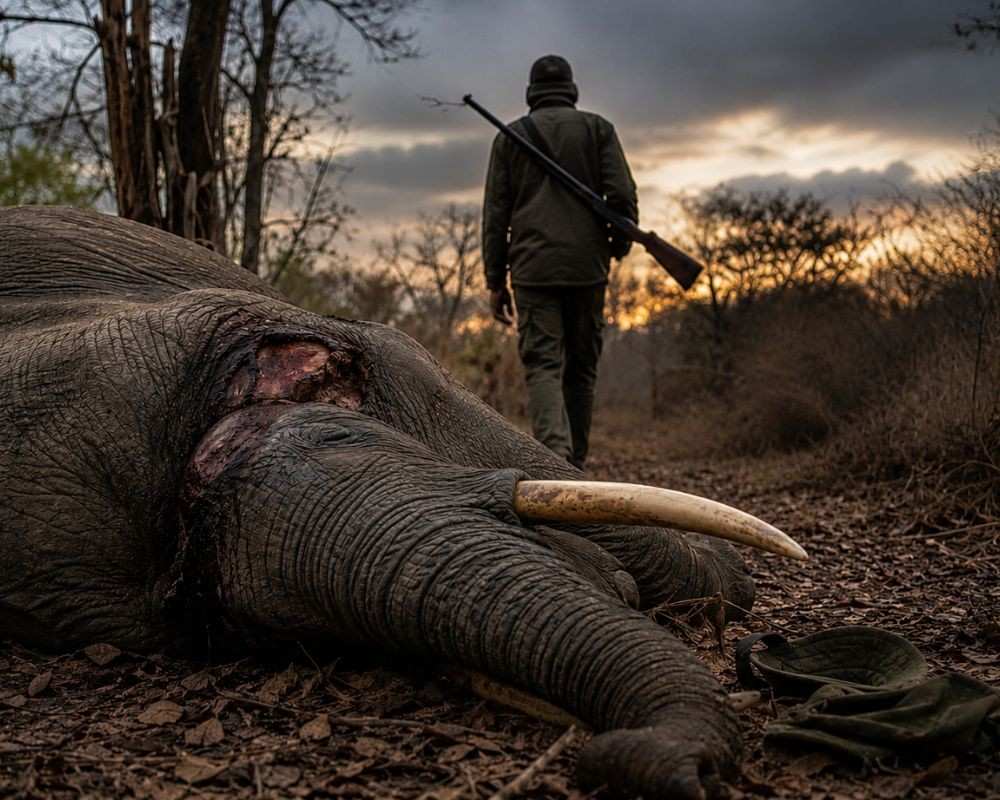
Poaching means illegal hunting or capturing animals for commercial purposes. Many animals are hunted for skin, bones, horns, meat, fur, or traditional medicine markets. Excessive hunting can rapidly reduce populations and sometimes wipe out an entire species from a region.
How it happens:
- Illegal wildlife trade
- Hunting for trophies
- Demand for body parts and animal products
- Commercial exploitation
Possible Solutions:
- Strict wildlife protection laws
- Strong anti-poaching teams
- Higher penalties for illegal hunting
- Increase public awareness campaigns
Climate Change
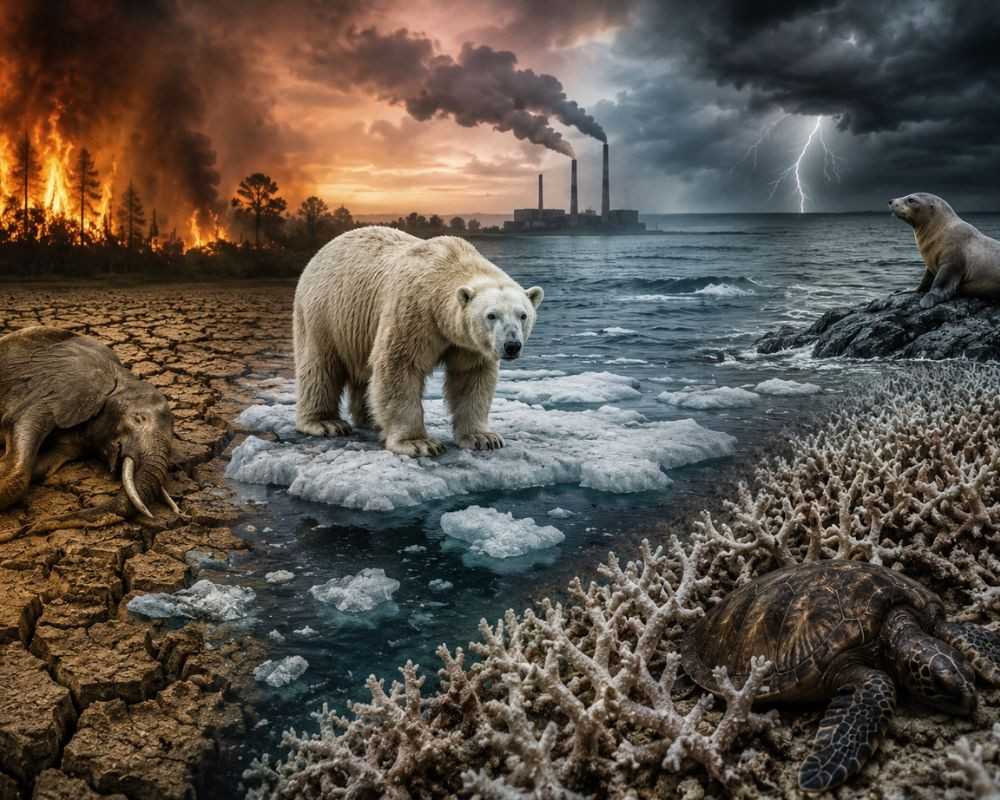
Climate change refers to long-term changes in Earth’s weather patterns caused largely by human activities. Rising temperatures, changing rainfall patterns, melting glaciers, and extreme weather events affect habitats and food availability for many species. Animals adapted to specific environments may struggle to survive.
How it happens:
- Rising global temperatures
- Melting ice regions
- Droughts and floods
- Unpredictable weather patterns
Possible Solutions:
- Reduce carbon emissions
- Promote renewable energy sources
- Protect forests and natural ecosystems
- Encourage sustainable lifestyles
Pollution
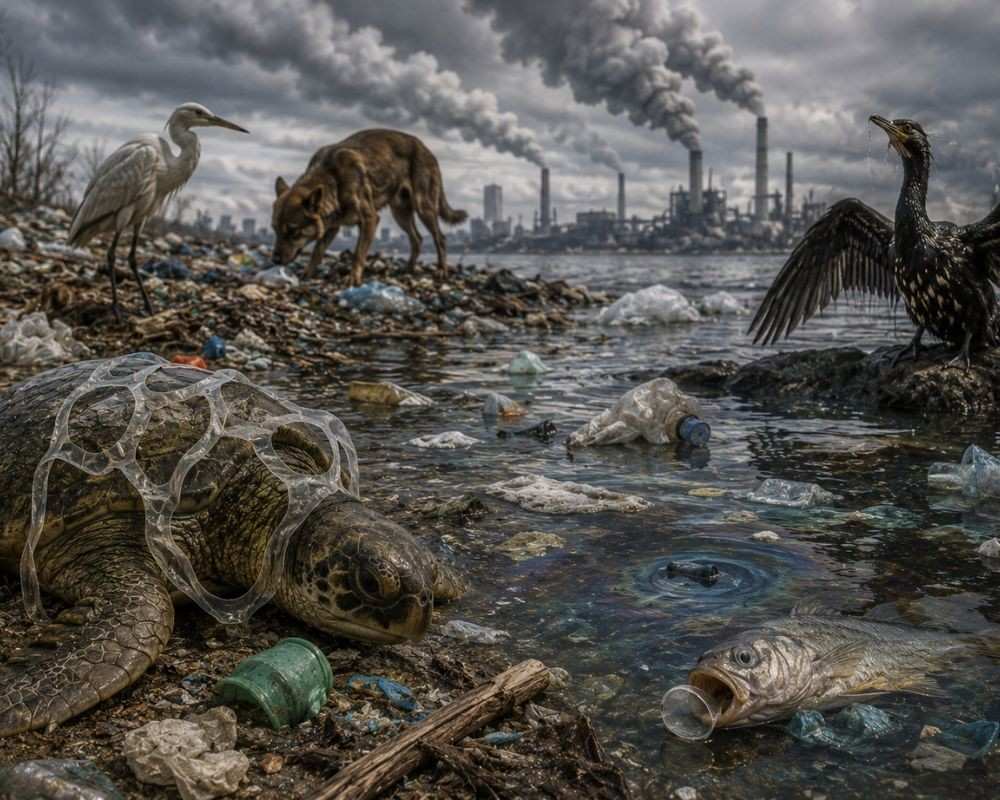
Pollution damages land, water, and air ecosystems where animals live. Rivers contaminated with chemicals affect aquatic species, while air pollution harms birds and land animals. Plastic waste has also become a major threat because many animals accidentally consume it.
How it happens:
- Industrial waste discharge
- Plastic pollution
- Oil spills
- Chemical contamination
Possible Solutions:
- Reduce plastic use
- Improve waste management systems
- Monitor industrial pollution levels
- Promote clean and eco-friendly practices
Human-Wildlife Conflict
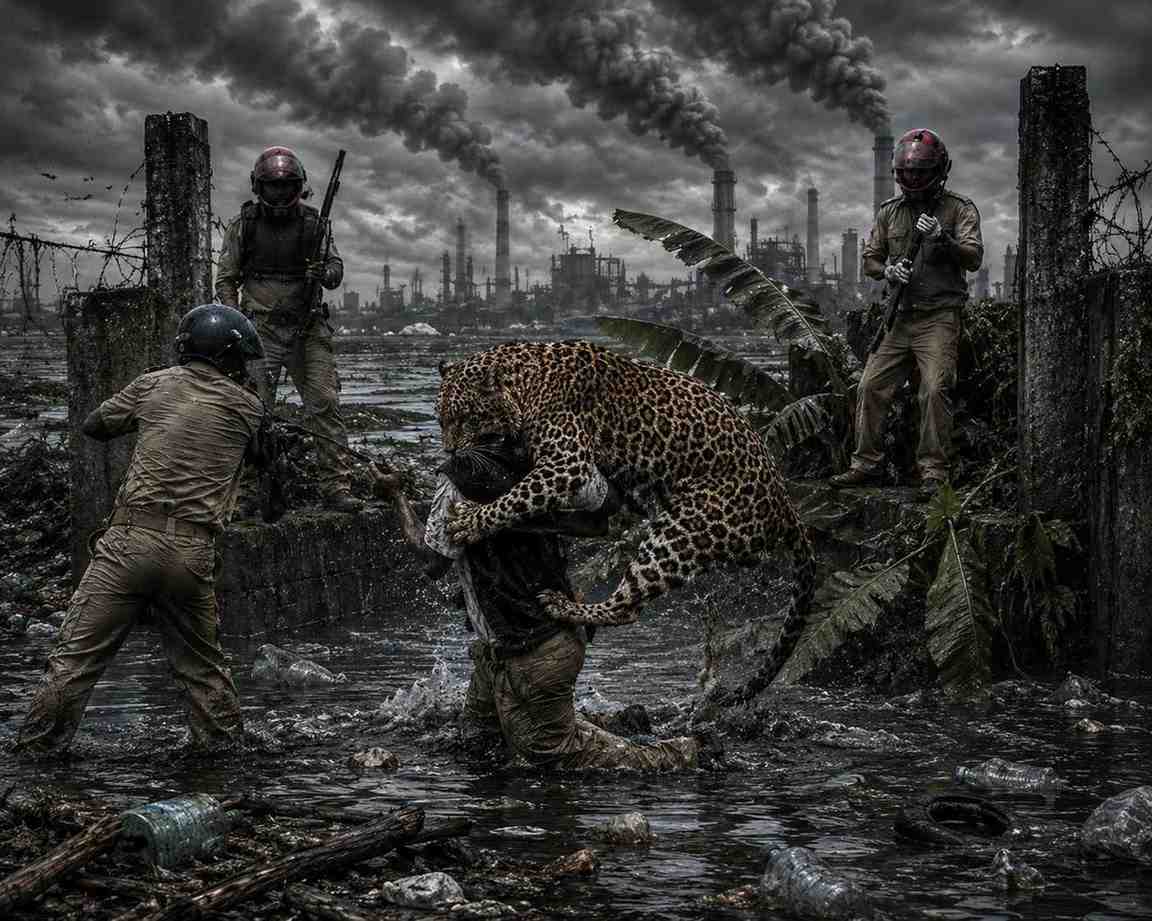
Human-wildlife conflict occurs when animals and humans compete for the same land and resources. As cities and villages expand into forests, animals often enter human areas in search of food. This can lead to injuries, deaths, and retaliatory attacks.
How it happens:
- Expansion of human settlements
- Loss of forest areas
- Reduction of natural food sources
- Infrastructure projects through habitats
Possible Solutions:
- Develop wildlife corridors
- Protect natural habitats
- Use technology to monitor animal movement
- Promote community-based conservation programs
Overexploitation of Natural Resources
Many natural resources are used faster than they can recover. Excessive fishing, logging, and extraction of resources disturb ecosystems and reduce animal populations.
How it happens:
- Overfishing
- Excessive tree cutting
- Unsustainable use of resources
- Large-scale industrial activities
Possible Solutions:
- Use resources responsibly
- Introduce sustainable harvesting practices
- Strengthen environmental regulations
- Encourage responsible consumption

Invasive Species
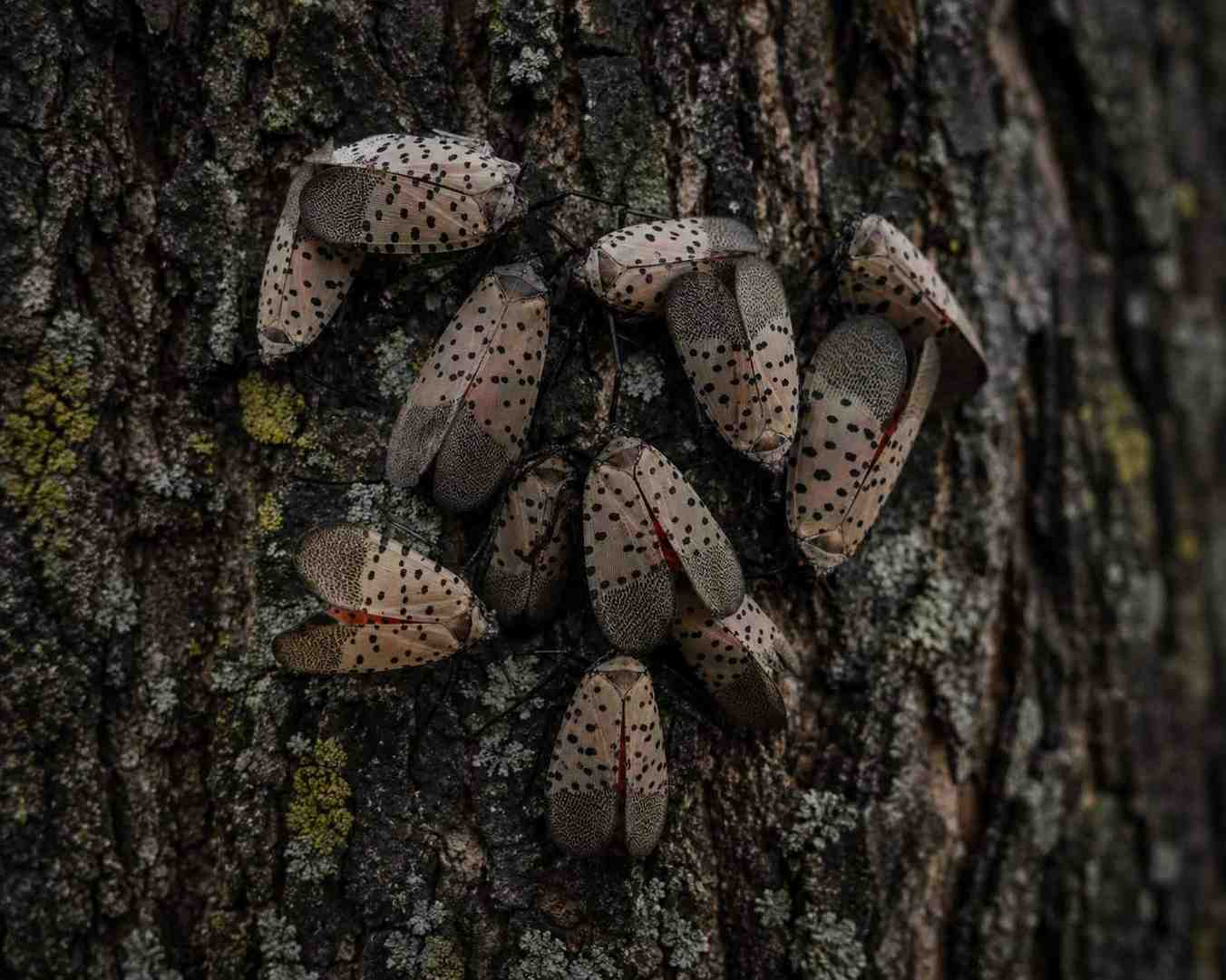
Invasive species are plants or animals introduced into an area where they do not naturally belong. These species often spread quickly and compete with native animals for food and space. They can also introduce diseases or destroy habitats.
How it happens:
- Human transportation and trade
- Accidental introduction of species
- Ecosystem disturbances
Possible Solutions:
- Monitor and control invasive species
- Protect native ecosystems
- Conduct ecological research
- Improve environmental management practices
Disease and Genetic Problems
Small animal populations often become more vulnerable to diseases and genetic issues. Limited breeding populations reduce genetic diversity, making species weaker and less able to adapt to environmental changes.
How it happens:
- Reduced population size
- Spread of infections
- Inbreeding within small groups
Possible Solutions:
- Captive breeding programs
- Scientific monitoring of populations
- Habitat restoration
- Improve veterinary and conservation efforts
Conservation Efforts to Protect Animals in India
These efforts focus on preserving habitats, increasing animal populations, reducing illegal activities, and spreading awareness.
Wildlife Protection Laws in India
India has introduced strict laws to safeguard wildlife from hunting and illegal trade. The Wildlife Protection Act of 1972 is one of the most important laws created for protecting animals, birds, and forests. These laws restrict hunting, regulate wildlife trade, and provide legal protection to threatened species.
National Parks and Wildlife Sanctuaries
Protected areas such as national parks, tiger reserves, biosphere reserves, and wildlife sanctuaries provide safe habitats for animals. These areas reduce human interference and allow species to live and breed naturally. India has hundreds of protected areas supporting many endangered species.
Project Tiger
Project Tiger was launched in 1973 to protect tiger populations in India. Earlier, tiger numbers had declined sharply because of hunting and habitat destruction. The project focuses on creating tiger reserves, improving habitat conditions, controlling poaching, and increasing conservation efforts. It has played a major role in improving tiger populations.
Project Elephant
Project Elephant was introduced to protect elephant populations and their natural habitats. The initiative aims to reduce human-elephant conflict, protect migration routes, and conserve forests used by elephants.
Captive Breeding Programs
Some endangered species are protected through captive breeding programs in zoos and specialized conservation centers. Animals are carefully bred and later introduced into protected environments when possible. This approach has helped improve the survival of several species.
Community Participation and Awareness Programs
Wildlife conservation becomes more effective when local communities participate in protecting natural resources. Awareness programs educate people about biodiversity and encourage eco-friendly practices. Local involvement often creates long-term protection for wildlife habitats.
How You Can Help Protect Wildlife?
Even small actions by individuals can contribute to wildlife conservation and reduce the risk of extinction.
- Avoid buying products made from animal skin, fur, horns, or ivory
- Reduce plastic use to decrease environmental pollution
- Support wildlife conservation organizations and campaigns
- Spread awareness about endangered species
- Plant trees and participate in environmental activities
- Follow responsible tourism practices while visiting forests and parks
- Report illegal hunting or wildlife trade activities
- Save water and reduce waste generation
- Support sustainable and eco-friendly products
- Encourage others to respect wildlife and natural habitats
Interesting Facts About Extinct and Endangered Animals in India
- India is home to nearly 70% of the world’s wild tiger population.
- The Ganges River Dolphin is India’s national aquatic animal.
- The Asiatic Cheetah became extinct in India in 1952.
- The Snow Leopard is often called the “Ghost of the Mountains” because of its rare sightings.
- The Great Indian Bustard is among the rarest birds in the world.
- Indian Elephant can communicate using low-frequency sounds that travel long distances.
- The Red Panda spends most of its time on trees and sleeps for long hours.
- The Gharial has one of the longest and narrowest snouts among crocodile species.
- The Pink-headed Duck remains one of India’s biggest wildlife mysteries because no confirmed sighting has been recorded for many decades.
- The Hangul is found mainly in Jammu and Kashmir and is among India’s rarest deer species.
- The Lion-tailed Macaque gets its name from the lion-like tuft at the end of its tail.
FAQs About Extinct Animals in India
Animals become extinct because of habitat loss, hunting, poaching, pollution, climate change, diseases, and human activities that reduce their chances of survival.
The Great Indian Bustard is considered among the animals closest to extinction in India because only a small number of individuals remain.
Animals on the verge of extinction include the Great Indian Bustard, Snow Leopard, Gharial, Hangul, and several other threatened species.
The Asiatic Cheetah became extinct in India in 1952. However, recent conservation programs have introduced African cheetahs into selected habitats as part of reintroduction efforts.
The Ganges River Dolphin is India’s national aquatic animal and is considered an important indicator of healthy river ecosystems.
The Great Indian Bustard is among the most critically endangered birds in India.