
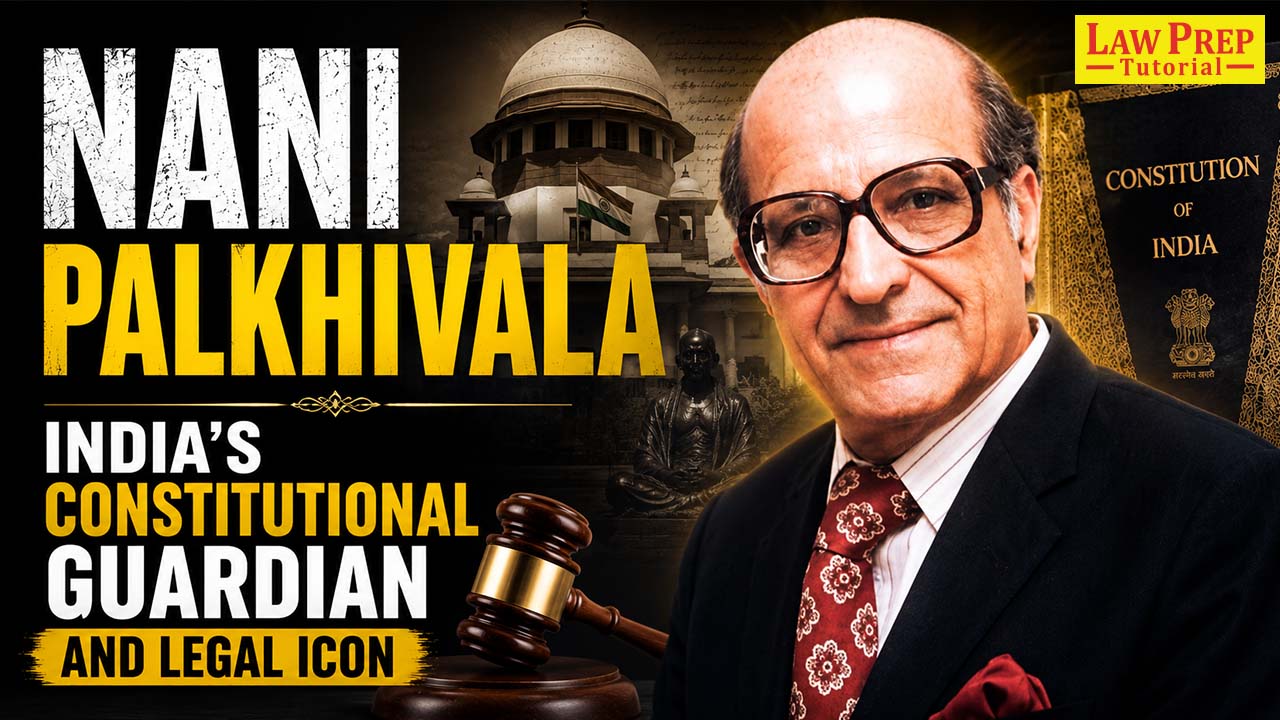

A man who once struggled with stammering in childhood went on to become one of the greatest courtroom speakers in Indian history. Nani Palkhivala was a lawyer, a fearless defender of the Indian Constitution, a brilliant economist, an inspiring speaker, and a voice of democracy during some of India’s toughest political moments.
His arguments in the historic Kesavananda Bharati case helped protect the Basic Structure of the Constitution, shaping the future of Indian democracy forever.
When people talk about Nani Palkhivala, they remember his unmatched knowledge, powerful speeches, and deep love for India. Stadiums used to fill up just to hear his budget analysis speeches. Judges respected his clarity, students admired his discipline, and citizens trusted his vision for the country.
Below, we have covered Nani Palkhivala’s journey, famous cases, books, speeches, achievements, and the legacy that still inspires law students, professionals, and young Indians today.
Who is Nani Palkhivala?
Nani Palkhivala was one of India’s most respected constitutional lawyers, economists, authors, and public speakers. He played a major role in protecting the Indian Constitution and defending citizens’ fundamental rights during critical moments in the country’s history. Born in Mumbai in a middle-class Parsi family, he overcame a childhood speech disorder and became one of the finest orators India has ever seen.
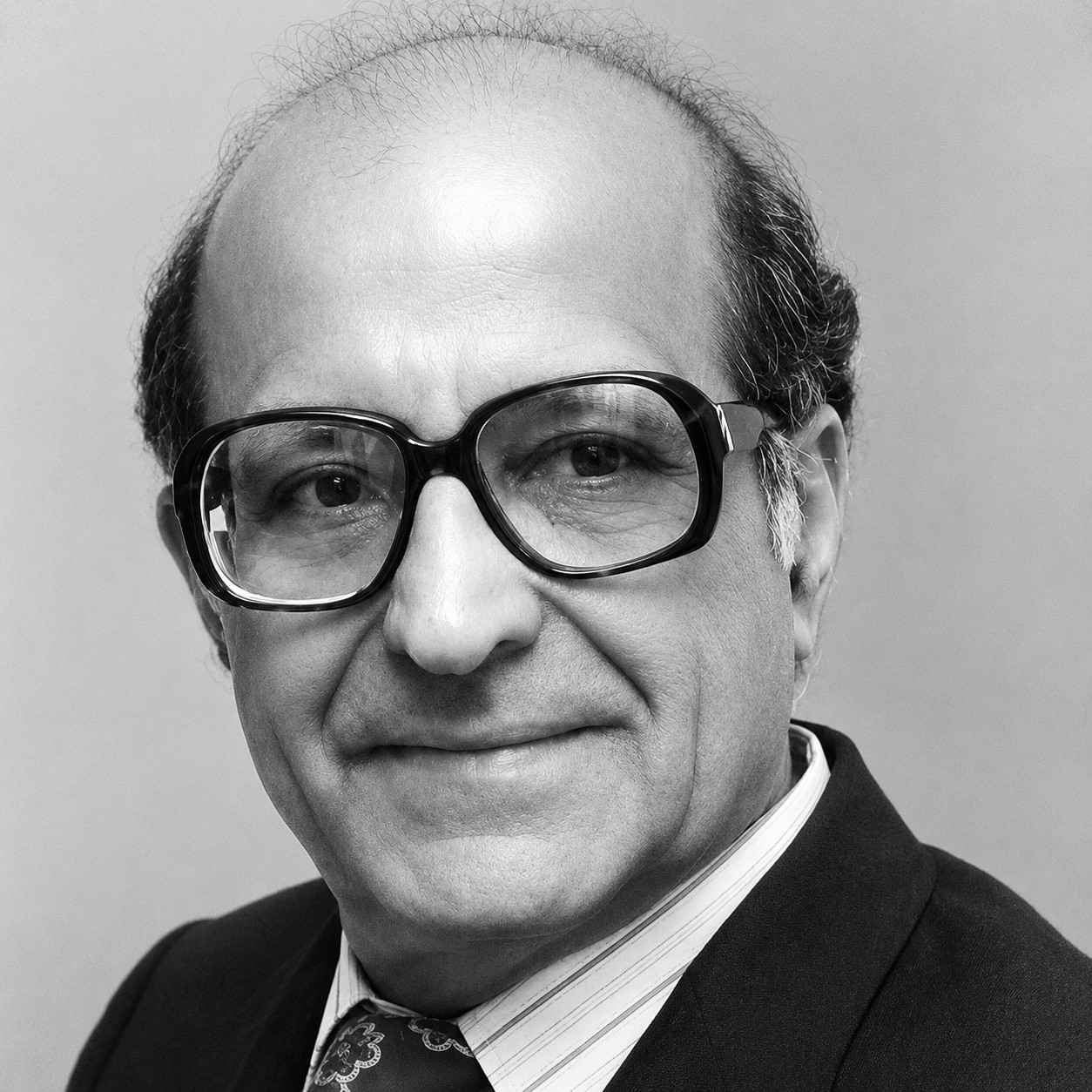
About Nani Palkhivala
| Detail | Information |
| Full Name | Nanabhoy “Nani” Ardeshir Palkhivala |
| Popular Name | Nani Palkhivala |
| Birth Date | 16 January 1920 |
| Birthplace | Bombay (Now Mumbai), Maharashtra, India |
| Nationality | Indian |
| Profession | Lawyer, Jurist, Economist, Author, Diplomat |
| Religion | Parsi |
| Famous For | Constitutional Law, Kesavananda Bharati Case, Budget Speeches |
| Known As | Defender of the Indian Constitution |
| Education | Government Law College, Mumbai |
| Key Cases | Kesavananda Bharati Case, Bank Nationalization Case, Privy Purses Case, Minerva Mills Case |
| Father’s Name | Ardeshir Palkhivala |
| Mother’s Name | Sheherbanoo Palkhivala |
| Marital Status | Married |
| Wife’s Name | Nargesh Palkhivala |
| Profession as Advocate | Senior Advocate at Supreme Court of India |
| Ambassador Role | Ambassador of India to the United States (1977–1979) |
| Awards & Honors | Padma Vibhushan and several honorary doctorates |
| Known Personality Traits | Integrity, patriotism, clarity of thought, fearless advocacy |
| Death Date | 11 December 2002 |
| Age at Death | 82 Years |
Also checkout Facts About Indian Constitution
Early Life and Education of Nani Palkhivala
Nani Palkhivala was born on 16 January 1920 in Bombay (now Mumbai) in a middle-class Parsi family where discipline, education, and strong moral values were an important part of daily life. His parents played a major role in shaping his thinking and personality from childhood.
During his early years, he faced difficulty in speaking fluently and struggled with stammering. Over time, through constant effort and self-confidence, he transformed himself into one of the most admired speakers in India.
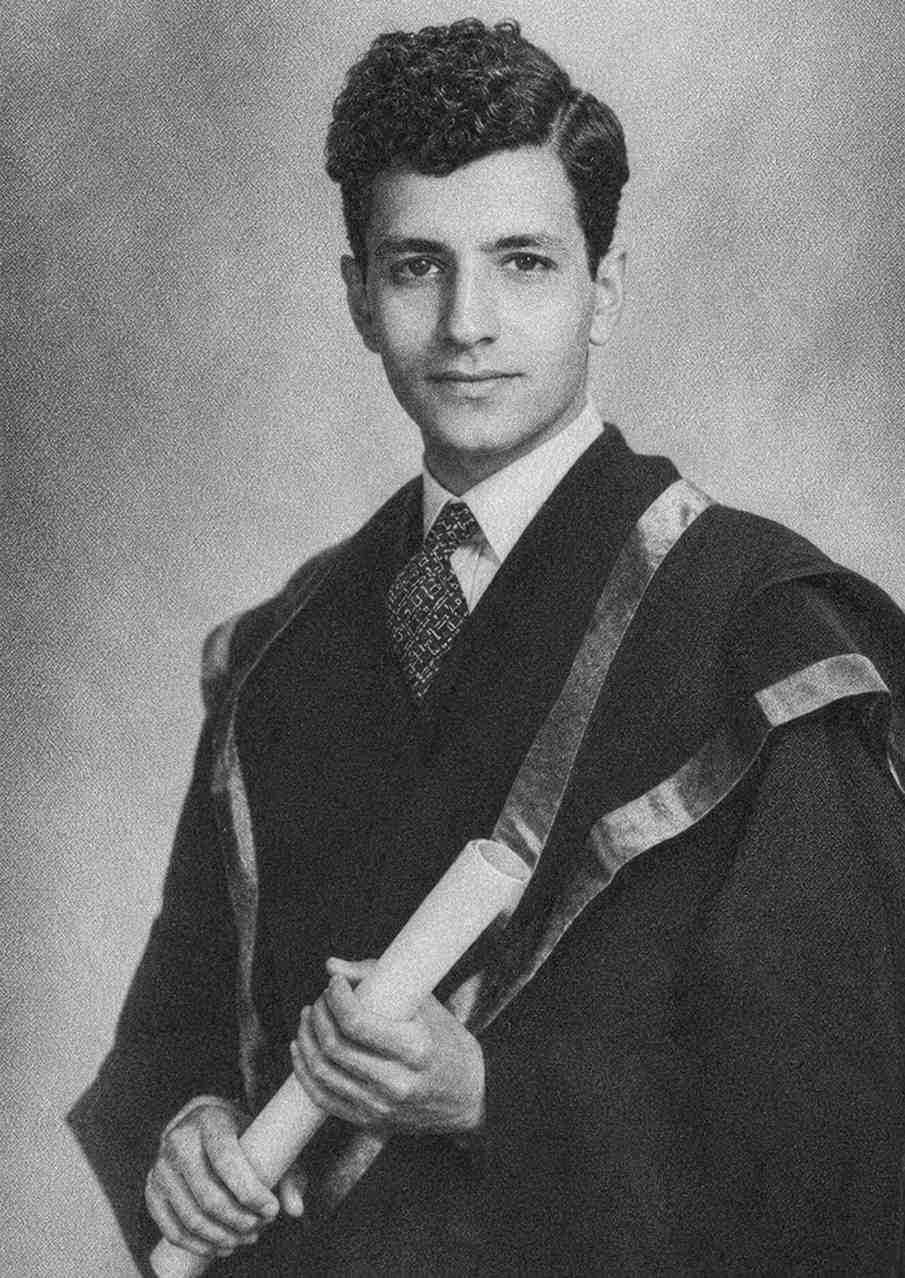
Nanibhoy Palkhivala at Young Age
He developed a deep interest in books and learning at a very young age. Instead of spending money on comforts or entertainment, he preferred collecting second-hand books and spending hours reading and improving his knowledge.
Apart from academics, he also had creative interests like music, sketching, photography, painting, and literature. These hobbies helped broaden his perspective and sharpen his imagination.
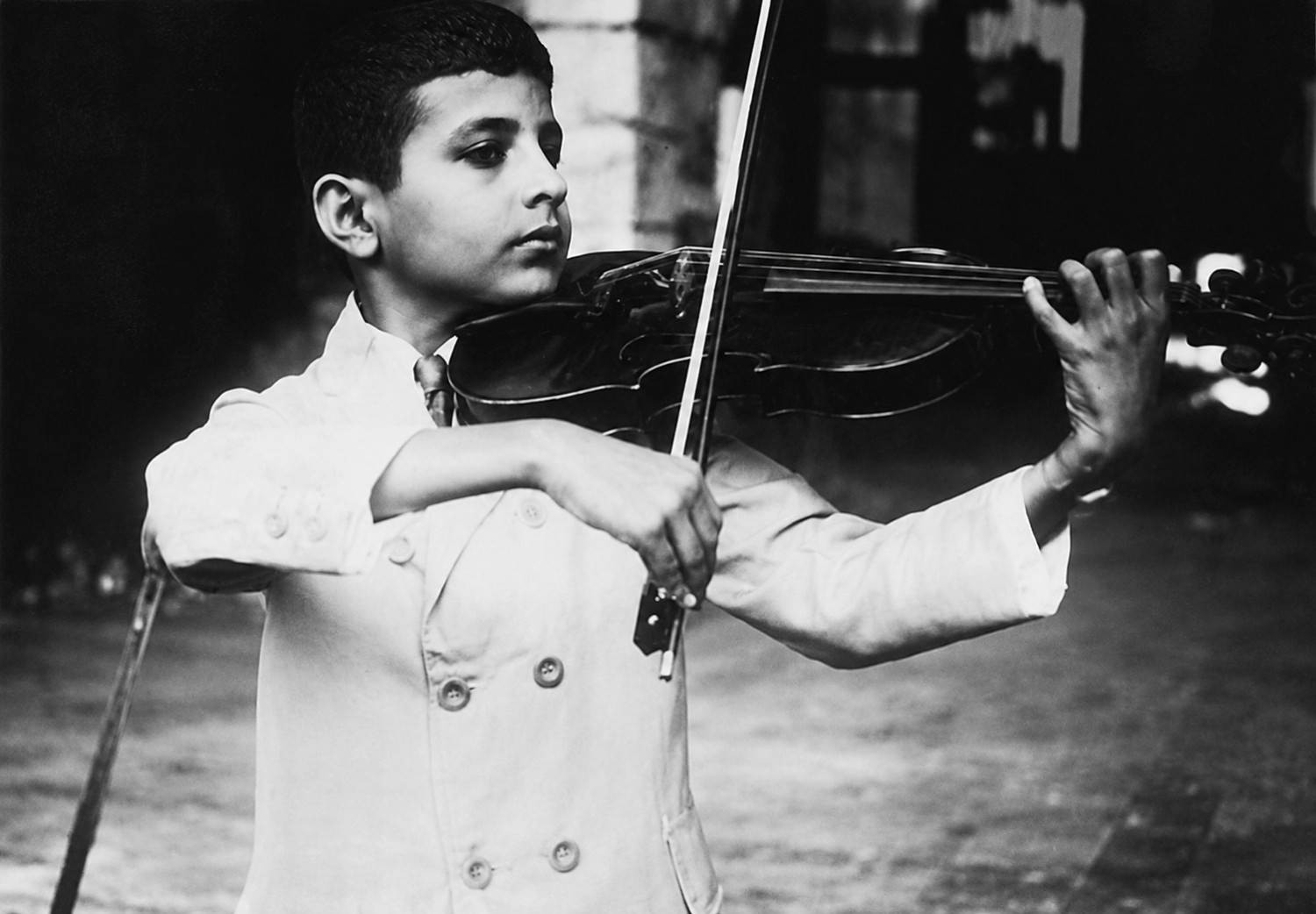
Nanibhoy playing violin at a Parsi wedding
Before entering the legal field, he wanted to build a career as a lecturer because he loved teaching and literature. Later, he also considered joining the Indian Civil Services, but circumstances prevented that path from becoming reality.
His father noticed his sharp reasoning skills and debating ability and encouraged him to study law. That decision later changed not only his own life but also the course of Indian constitutional history.
Nani Palkhivala achieved outstanding academic success in law college. He secured top ranks, won several medals and academic prizes, and impressed teachers and examiners with his extraordinary understanding of legal subjects.
Even as a student, he believed learning should go far beyond classroom textbooks. He regularly explored subjects like constitutional law, taxation, jurisprudence, and interpretation of statutes, building the strong intellectual foundation that later defined his career.
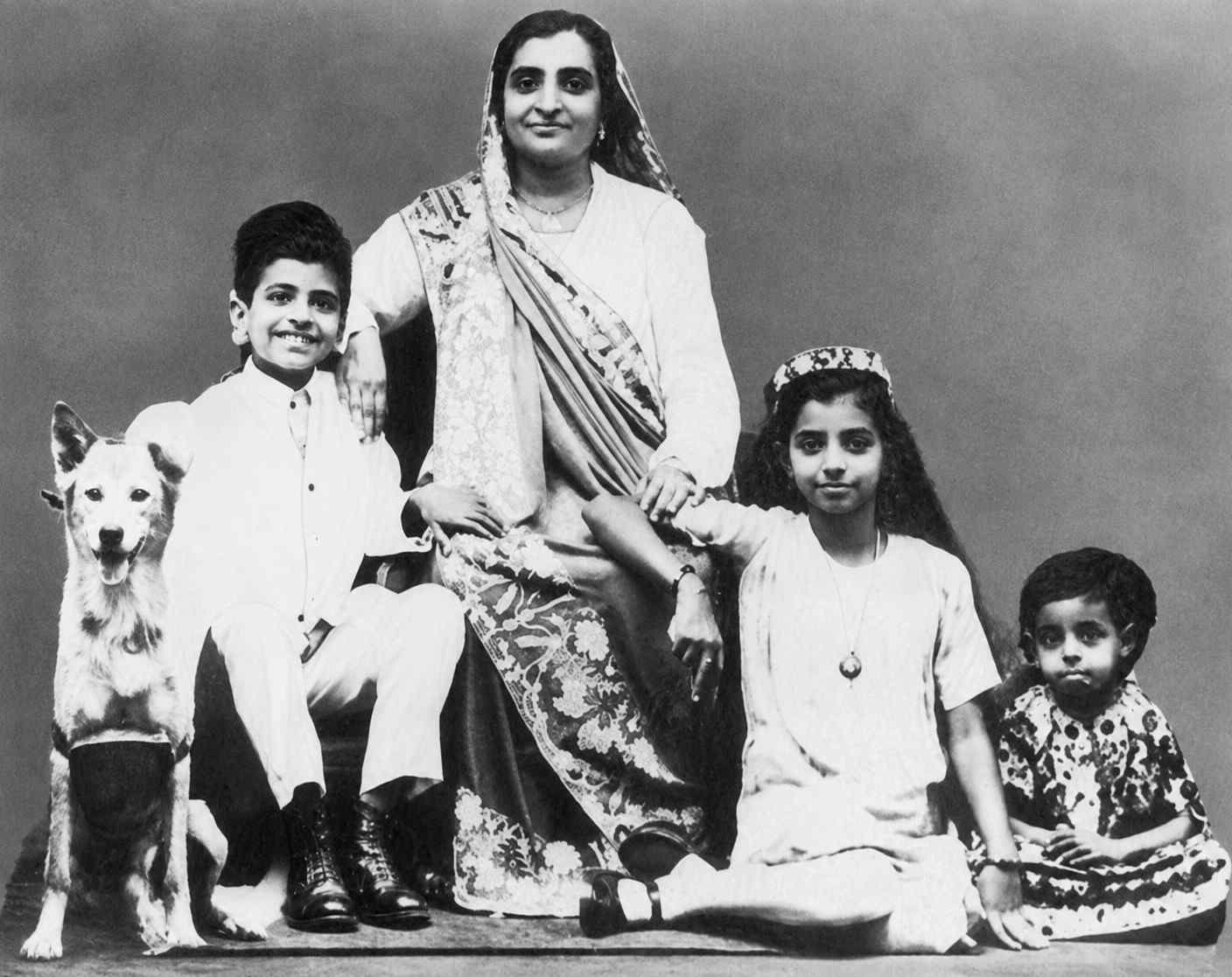
Nani with his mother Sheherbano, older sister Amy, and younger brother Behram.
Nani Palkhivala Career
Below is the journey of Nani Palkhivala’s career:
Starting His Legal Practice
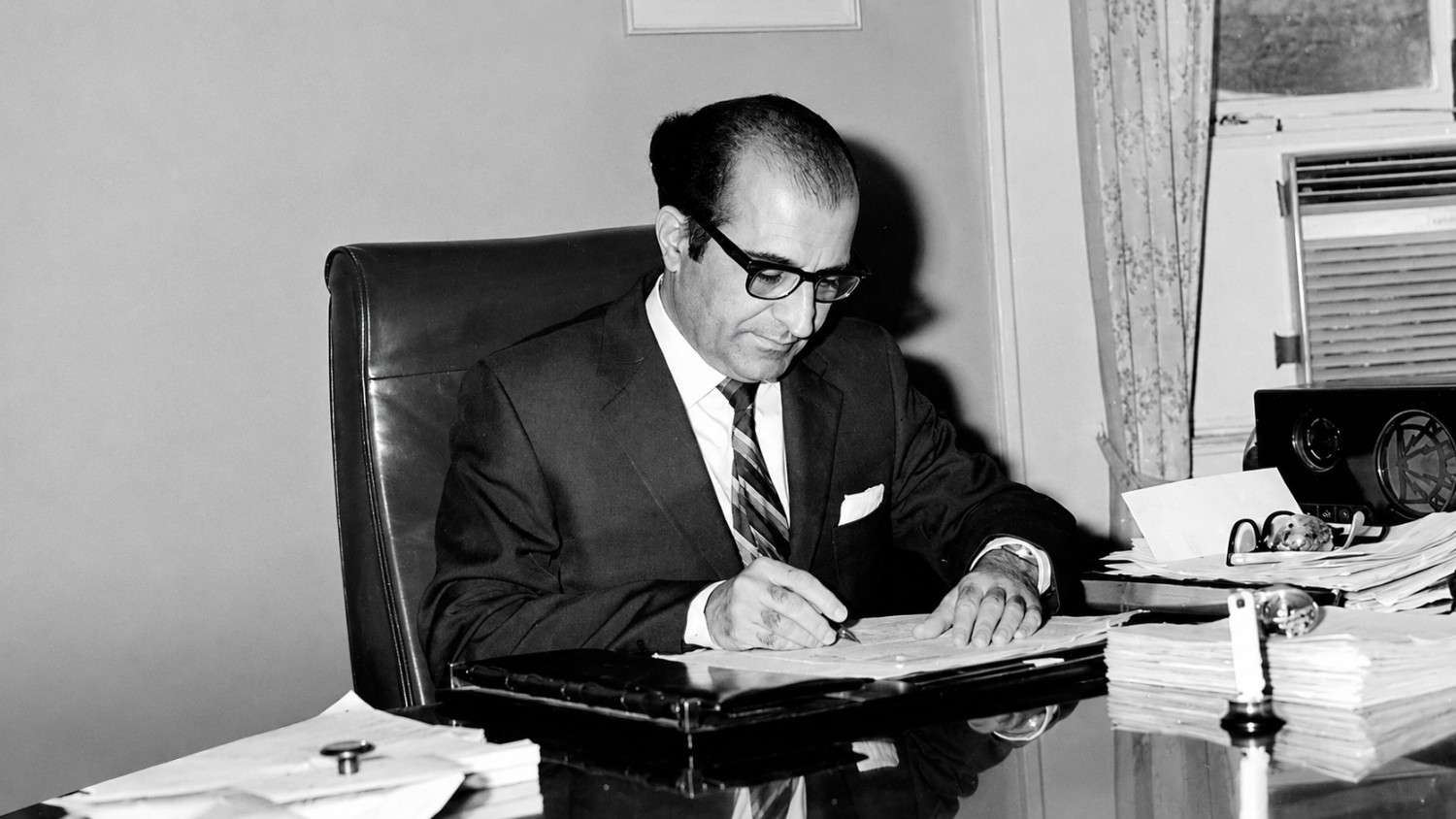
Nani Palkhivala entered the legal profession in 1944 by joining the chambers of the famous lawyer Sir Jamshedji Kanga in Bombay. Unlike many successful professionals of his time, he had no political backing or influential connections in the legal field. His rise came purely through talent, preparation, and relentless hard work.
Very early in his career, lawyers and judges began noticing his extraordinary clarity of thought and ability to simplify highly technical legal issues. Within just a few years, he became involved in some of the most important matters before the Bombay High Court.
Young advocates gathered in courtrooms only to listen to his arguments and observe his advocacy style. His growing reputation quickly established him as one of the brightest legal minds in India.
Building Authority in Constitutional and Tax Law
As his career progressed, Nani Palkhivala developed unmatched expertise in constitutional law and taxation. He was known for studying cases in extraordinary depth and preparing arguments with precision and discipline. His understanding of constitutional principles, jurisprudence, and interpretation of statutes made him a highly respected figure in Indian courts.
One of his major professional achievements was co-authoring The Law and Practice of Income Tax, which became one of India’s most trusted books on tax law. At the same time, he also taught as a part-time lecturer at Government Law College, Bombay, where students admired his simple explanations, wit, and teaching style. His ability to balance courtroom practice, writing, and teaching reflected his deep commitment to legal education and intellectual growth.
Becoming a National Public Figure
Over time, Nani Palkhivala emerged as a national public intellectual whose influence extended into economics, governance, education, and public policy. His courtroom arguments attracted national attention, while his economic speeches drew massive crowds across India.
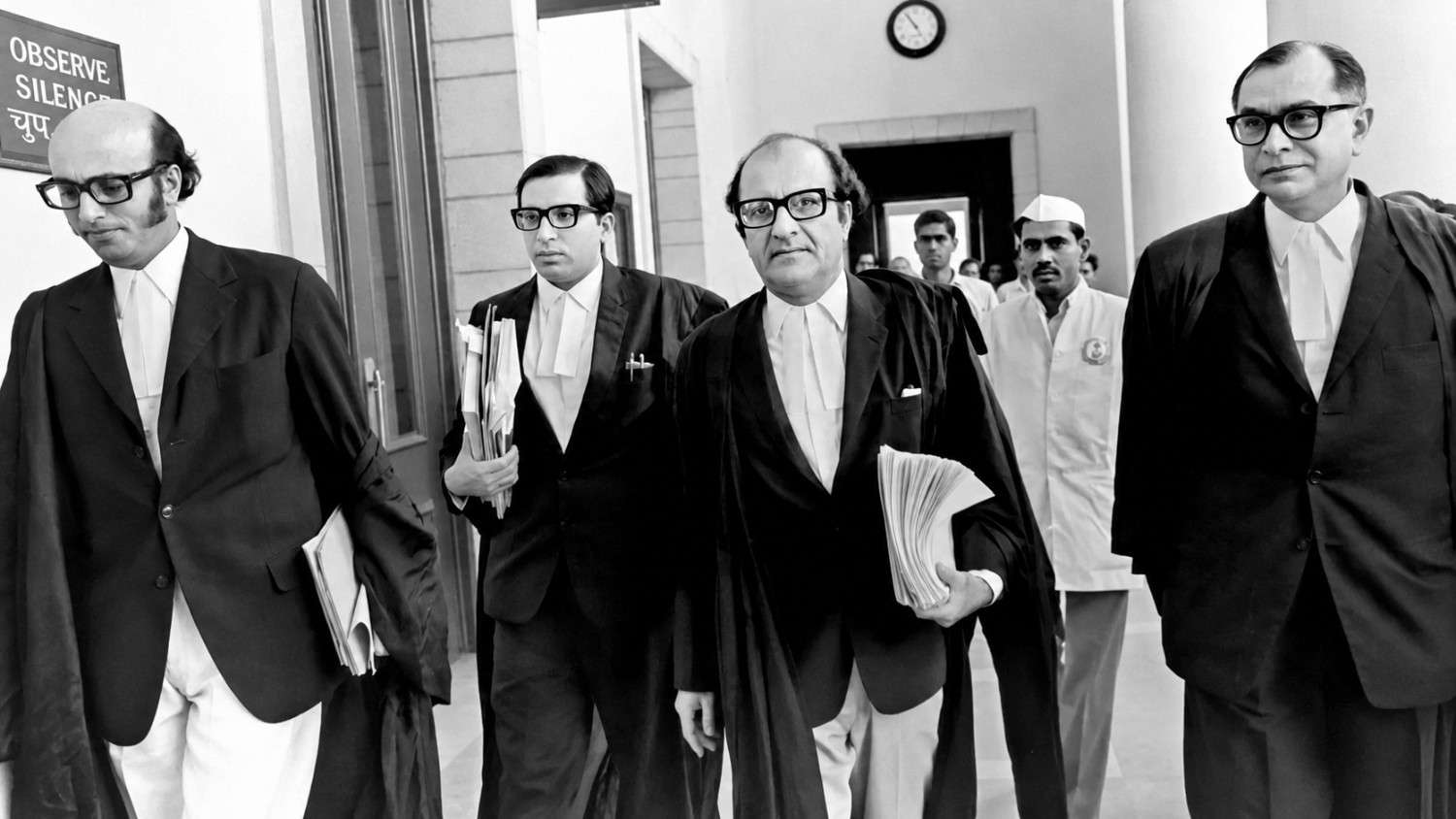
Despite handling some of the country’s biggest legal matters, he remained humble, disciplined, and deeply connected to ordinary citizens. He also argued several important cases for public causes without charging professional fees.
Beyond courts, he represented India in international forums and contributed to educational institutions like Bharatiya Vidya Bhavan for decades.
Read more about the Journey of Lawyer Ram Jethmalani
Nani Palkhivala and the Kesavananda Bharati Case
The Kesavananda Bharati case of 1973 is widely regarded as the most important constitutional case in Indian history. The dispute began over constitutional amendments and the extent of Parliament’s power to change the Constitution. During this period, a serious debate had emerged in India regarding whether Parliament could amend every part of the Constitution without any limitation, including Fundamental Rights.
Because of the enormous constitutional importance of the matter, the Supreme Court formed the largest bench in its history, consisting of 13 judges. The hearings continued for nearly five months and attracted nationwide attention. Courtrooms were packed not only with lawyers and journalists but also with ordinary citizens and law students who came from different parts of the country to witness the historic arguments.
1. Role of Nani Palkhivala in the Case
Nani Palkhivala played the central role in arguing against unlimited parliamentary power. He strongly defended the idea that the Constitution has certain foundational principles that cannot be destroyed by any government, regardless of its majority in Parliament. His arguments focused on protecting democracy, judicial review, separation of powers, and citizens’ rights.
His advocacy during the hearings became legendary because of the clarity, structure, and constitutional depth of his arguments. He carefully broke down complicated legal issues and presented them in a logical and persuasive manner before the bench. Many legal experts believe his performance in this case represents one of the greatest moments in Indian courtroom history.
The judgment ultimately transformed Indian constitutional law forever and established him as one of the country’s greatest constitutional defenders.
2. Emergence of the Basic Structure Doctrine
The final judgment in the Kesavananda Bharati case gave birth to the Basic Structure Doctrine. According to this principle, Parliament has the authority to amend the Constitution, but it cannot alter or destroy its essential identity or core structure.
This doctrine protects key constitutional values such as democracy, judicial independence, secularism, federalism, rule of law, and Fundamental Rights. It acts as a safeguard against misuse of political power and ensures that the spirit of the Constitution remains protected for future generations.
Even today, the Basic Structure Doctrine remains one of the strongest pillars of Indian constitutional law and is considered one of the judiciary’s greatest contributions to democracy.
Get Complete details about Kapil Sibal here!
Role of Nani Palkhivala During the Emergency
During the Emergency declared in 1975, democratic institutions in India faced intense pressure. Civil liberties were restricted, political opponents were jailed, press freedom was heavily controlled, and fear spread across public life. At this difficult time, Nani Palkhivala emerged as one of the strongest voices defending constitutional morality and democratic freedoms.
He openly expressed concern over attempts to weaken judicial independence and expand unchecked governmental power. While many people hesitated to speak publicly during the Emergency, he continued defending constitutional principles through legal arguments, speeches, and writings. His courage during this period strengthened his reputation as a fearless defender of democracy.
Defending the Basic Structure Doctrine Again
During the Emergency, efforts were made to challenge and reconsider the Supreme Court’s earlier Kesavananda Bharati judgment. A new thirteen-judge bench was formed to review the Basic Structure Doctrine, and many feared that constitutional protections could be weakened permanently.
Nani Palkhivala once again stood at the center of this constitutional battle. Through powerful and persuasive arguments, he defended the importance of limiting Parliament’s powers and protecting the Constitution’s identity.
His advocacy reportedly influenced several judges on the bench and played a crucial role in preventing the reversal of the Basic Structure Doctrine. This episode further strengthened his image as one of India’s greatest constitutional guardians.
Learn the most important Lessons from Ram Jethmalani
Nani Palkhivala Famous Cases
These are the famous cases of lawyer Nani Palkhivala:
| Case Name | Main Issue | Contribution of Nani Palkhivala |
| Kesavananda Bharati vs State of Kerala | Limits on Parliament’s amendment powers | Defended constitutional limitations and Fundamental Rights |
| Golaknath Case | Amendment of Fundamental Rights | Argued against unlimited amendment powers |
| Bank Nationalization Case | Government takeover of private banks | Challenged constitutional validity of nationalization |
| Privy Purses Case | Abolition of privileges of former rulers | Opposed arbitrary constitutional actions |
| Minerva Mills Case | Scope of constitutional amendments | Defended balance between state power and rights |
| Fram Nusserwanji Balsara Case | Restrictions under prohibition laws | Argued issues related to individual freedom |
| Times of India Case | Freedom of press and publication rights | Defended constitutional protections for media |
| St. Xavier’s College Society Case | Minority educational rights | Defended autonomy of educational institutions |
| RC Cooper vs Union of India | Banking reforms and property rights | Presented constitutional challenges to government actions |
| Indira Gandhi Election Case | Validity of Prime Minister’s election | Defended democratic principles and constitutional fairness |
Read more about Legal Awareness and Law Resources
Nani Palkhivala Books
These are the books written by Nani Palkhivala:
| Book Name | Genre | What the Book Focuses On |
| We, The Nation | Politics & Constitutional Thought | Democracy, governance, constitutional values, national issues |
| We, The People | Constitutional Commentary | Rights of citizens, judiciary, Parliament, democracy |
| The Highest Taxed Nation | Economics & Taxation | Tax policies, economic burden on citizens, reforms |
| Our Constitution Defaced and Defiled | Constitutional Analysis | Criticism of constitutional misuse during Emergency |
| The Law and Practice of Income Tax | Legal & Tax Reference | Indian taxation laws and interpretation |
| India’s Priceless Heritage | National & Cultural Thought | Indian civilization, values, and heritage |
| Selected Writings of Nani Palkhivala | Essays & Speeches | Collection of writings on law, economy, and governance |
Explore the Best Books & Novels for Law Students & Lawyers
Personality and Character of Nani Palkhivala
Nani Palkhivala was widely respected not only for his intelligence but also for his personal discipline and honesty. Even after achieving national fame, he remained humble, simple, and deeply committed to ethical values. He believed success should never make a person arrogant. Colleagues, judges, students, and ordinary citizens admired the dignity and respect he maintained in both professional and personal life.
Deep Love for Knowledge and Literature
He had a lifelong passion for reading, literature, philosophy, and learning. His interests extended far beyond law and economics. He enjoyed music, sketching, photography, and intellectual discussions on spirituality, governance, and society. Thinkers like Sri Aurobindo and Adi Shankara deeply influenced his worldview and philosophical thinking.
A Patriot Concerned About India’s Future
Nani Palkhivala deeply cared about the moral and democratic health of India. In his later years, he often expressed concern about corruption, weakening public values, and poor governance in society. He believed real national progress required honesty, accountability, discipline, and strong institutions rather than excessive control or political power.
Also read Courtroom Genius by Nani Palkhivala
Legacy of Nani Palkhivala
The legacy of Nani Palkhivala continues to inspire lawyers, judges, economists, students, and citizens across India. His role in protecting the Constitution through the Basic Structure Doctrine permanently changed Indian constitutional law. Even decades after his passing, courts continue to rely on principles he defended.
He also transformed public understanding of economics and governance through his speeches and books. Few public intellectuals in India managed to influence law, democracy, taxation, diplomacy, and education at the same time.
His life remains a powerful example of how knowledge, courage, humility, and public service can leave a lasting impact on an entire nation.
Get the complete list of Highest Paid Lawyers in India here!
Nani Palkhivala Awards and Honors
These are the awards and honors received by Nani Palkhivala:
| Award / Honor | Significance |
| Padma Vibhushan | India’s second-highest civilian honor for exceptional public service |
| Living Legend of the Law Award | Recognized his extraordinary contribution to constitutional law |
| Dadabhai Naoroji Memorial Award | Honored his intellectual and national contributions |
| National Amity Award | Recognition for promoting national understanding and values |
| Honorary Membership – Academy of Political Science, New York | International recognition of his public and constitutional work |
| Indo-American Society Award | Honored his contribution to India-US understanding |
| Certificate of Honour by Bar Association of India | Recognition from India’s legal fraternity |
| Citizen of Bombay Award | Honored his contribution to public life and society |
| Person of the Year Awards | Recognized his national influence and public impact |
| Lifetime Achievement Awards | Celebrated his lifelong service in law and public affairs |
| Ambassador of India to USA | Prestigious diplomatic appointment representing India globally |
| Recognition as Senior Constitutional Expert | Widely regarded as one of India’s greatest jurists |
Contribution of Nani Palkhivala to the Indian Constitution
- Defender of Fundamental Rights: Nani Palkhivala strongly defended citizens’ Fundamental Rights and argued that individual freedoms must remain protected against misuse of government power under all circumstances.
- Protection of Judicial Independence: He supported an independent judiciary and believed courts must remain free from political influence to protect democracy and constitutional balance in India.
- Establishing the Basic Structure Doctrine: His arguments in the Kesavananda Bharati case helped create the Basic Structure Doctrine, which prevents destruction of the Constitution’s core principles.
- Promoting Constitutional Awareness: Through speeches, books, and public discussions, he made ordinary citizens more aware of constitutional values, democracy, and their legal rights.
- Standing Against Authoritarianism: During politically sensitive periods, especially the Emergency era, he openly defended democratic institutions and warned against excessive concentration of power.
Nani Palkhivala as an Economist
Apart from being a legendary lawyer, Nani Palkhivala was also one of India’s most respected economic thinkers. He had deep knowledge of taxation, public finance, industrial growth, and economic policy. At a time when India faced heavy taxation and strict economic controls, he openly discussed the need for practical reforms and business-friendly policies. His understanding of economic issues made him highly respected among businessmen, professionals, and policymakers.
He believed economic growth should create opportunities for ordinary citizens and strengthen national development. Through his articles, speeches, and books, he explained complex economic matters in simple language that common people could easily understand. His views often influenced public debates on taxation and governance in India.
Famous Budget Speeches and Public Influence
Nani Palkhivala became nationally famous for his annual post-budget speeches. Thousands of people gathered in stadiums and auditoriums just to hear his analysis of the Union Budget. His speeches were unique because he explained government policies with clarity, logic, and real-life examples instead of technical jargon.
Business leaders, students, journalists, and middle-class families eagerly followed his economic opinions every year. He highlighted both the strengths and weaknesses of government decisions while speaking fearlessly and honestly. These speeches made economic discussions popular among ordinary citizens and increased public awareness about taxation and financial policies. His ability to combine economics with public communication made him one of India’s most influential economic voices of his time.
Interesting Facts About Nani Palkhivala
- Nani Palkhivala struggled with stammering during childhood but later became one of India’s most admired public speakers.
- He often saved money by sacrificing comforts and buying second-hand books because of his deep love for reading.
- Before becoming a lawyer, he wanted to become a lecturer and later considered joining the Indian Civil Services (ICS).
- He topped his law examinations and won several academic medals and prizes during college.
- Many young lawyers used to crowd courtrooms just to listen to his arguments and courtroom style.
- He fought several important public-interest cases without charging professional fees because he believed in serving the nation.
- He was offered the post of Attorney General of India multiple times but chose to remain independent.
- His annual budget speeches attracted huge crowds, and auditoriums often became full long before the event started.
- Despite facing health issues, surgeries, and paralytic strokes later in life, he continued working with dedication.
- He believed law should protect citizens and democracy, not merely serve political power.
Learn more about the Preamble to the Indian Constitution here!
Nani Palkhivala as India’s Ambassador to the USA
Nani Palkhivala served as India’s Ambassador to the United States between 1977 and 1979. His appointment reflected the immense trust and respect he had earned through his legal brilliance, public service, and intellectual reputation. As Ambassador, he represented India during an important period in international diplomacy and worked to strengthen relations between India and the United States.
Apart from his diplomatic role in Washington, he also represented India in major international disputes involving Pakistan. He presented India’s case before international forums such as the United Nations Tribunal in Geneva, the International Civil Aviation Organization in Montreal, and later before the World Court at The Hague.
His communication skills, constitutional understanding, and balanced thinking helped him represent India with dignity and confidence on global platforms. Even in diplomacy, he remained committed to democratic values, national interest, and constitutional principles, making his contribution respected both in India and internationally.
Nani Palkhivala Arbitration Centre
The Nani Palkhivala Arbitration Centre (NPAC) is a respected institutional arbitration center in India named in honor of Nani Palkhivala. It was established to promote efficient, professional, and credible dispute resolution through arbitration and mediation. The centre reflects the values that Nani Palkhivala stood for throughout his life, including integrity, fairness, legal excellence, and respect for constitutional principles.
NPAC provides a platform for resolving commercial and legal disputes outside traditional courtroom litigation. It aims to make arbitration faster, more structured, and more accessible for businesses and individuals. Over the years, the centre has gained recognition within the legal community for encouraging modern dispute-resolution practices in India.
The institution also contributes to legal education and professional development by organizing seminars, conferences, workshops, and legal discussions involving arbitration, mediation, commercial law, and constitutional issues. For law students and young professionals, the Nani Palkhivala Arbitration Centre represents both legal excellence and the continuing legacy of one of India’s greatest jurists.
Nani Palkhivala Memorial Virtual Tax Moot Court Competition
The Nani Palkhivala Memorial Virtual Tax Moot Court Competition is one of the well-known moot court competitions focused on taxation law and constitutional issues. It is organized in memory of Nani Palkhivala to honor his extraordinary contribution to constitutional law, taxation, and legal advocacy in India. The competition provides law students with an opportunity to develop research, drafting, argumentation, and courtroom presentation skills.
The 21st edition of the competition was conducted from 13th to 15th March 2026 in online mode. Law students from different universities and law schools participated in the event and argued complex taxation and constitutional law issues before experienced legal professionals and judges.
The next edition is expected to be the 22nd Nani Palkhivala Memorial Moot Court Competition in 2027. The event continues to inspire aspiring lawyers by encouraging constitutional thinking, analytical skills, and professional advocacy, values that defined Nani Palkhivala’s own legal career.
FAQs About Nani Palkhivala
Nani Palkhivala was one of India’s greatest constitutional lawyers, economists, authors, and public speakers. He is best known for defending the Indian Constitution and playing a major role in the Kesavananda Bharati case.
His full name was Nanabhoy Ardeshir Palkhivala.
He is famous for defending constitutional democracy, contributing to the Basic Structure Doctrine, delivering popular budget speeches, and handling several historic Supreme Court cases.
Nani Palkhivala was born on 16 January 1920.
He was born in Bombay, now Mumbai, Maharashtra, India.
He was a lawyer, jurist, economist, diplomat, author, and public intellectual.
The Kesavananda Bharati case is considered his most famous and important case.
The Basic Structure Doctrine says Parliament cannot destroy the core identity or essential principles of the Indian Constitution through amendments.
Nani Palkhivala’s wife was Nargesh Palkhivala.
Yes, he married Nargesh in 1945.
He played a major role in protecting constitutional democracy, Fundamental Rights, judicial independence, and the Basic Structure Doctrine.
His budget speeches explained complex economic policies in simple language and attracted huge audiences across India.
Yes, he served as India’s Ambassador to the United States from 1977 to 1979.
He studied law at Government Law College, Bombay, and achieved exceptional academic success.
He co-authored The Law and Practice of Income Tax, one of India’s most respected tax law books.
No, although he was offered the position multiple times, he did not accept it permanently.
He passed away on 11 December 2002.