 Talk to a Counsellor
 Support
Courtroom Genius by Nani Palkhivala: Summary, Lessons, PDF
Get Courtroom Genius by Nani Palkhivala summary, key lessons, central idea, and PDF details explained in simple and easy words for quick learning.
Last Updated on 06 Jul 2026

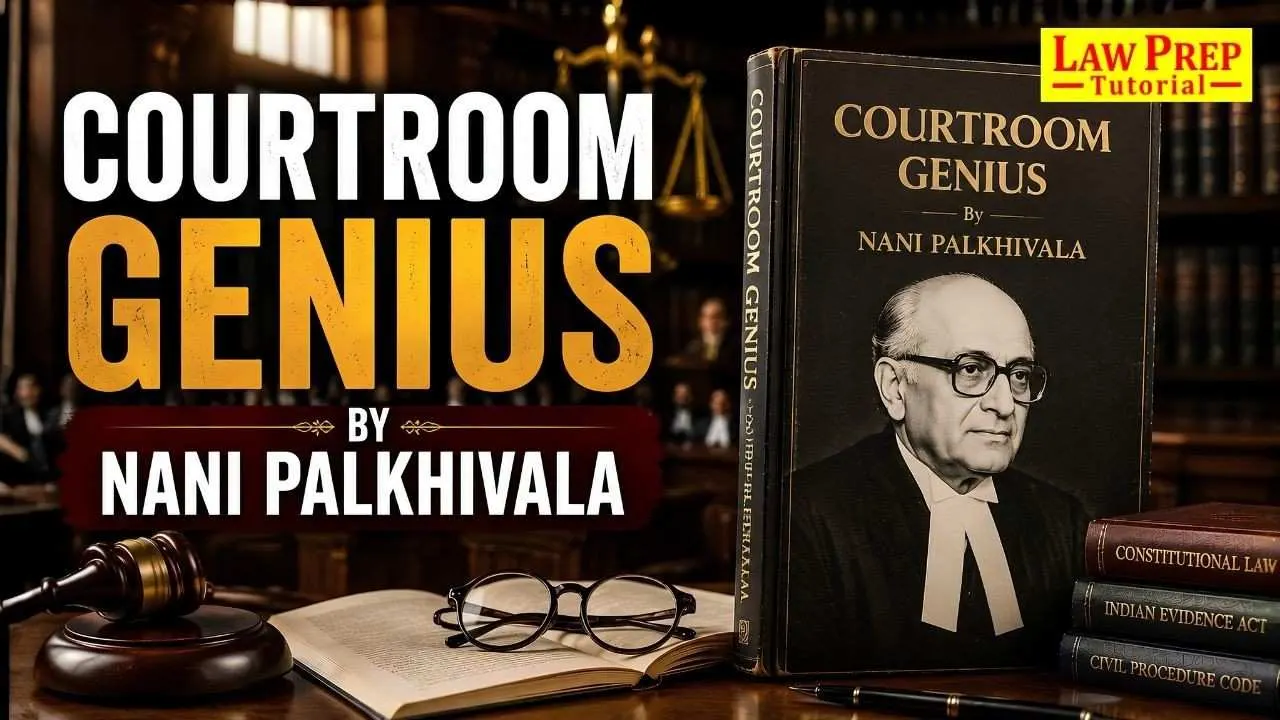
Courtroom Genius by Nani Palkhivala is an inspiring legal and constitutional work that highlights the brilliance, advocacy skills, and constitutional vision of one of India’s greatest lawyers. The book mainly focuses on courtroom advocacy, constitutional law, judicial reasoning, and the role of the judiciary in protecting democracy and Fundamental Rights.
Important legal concepts such as judicial review, constitutional supremacy, the Basic Structure Doctrine, and ethical advocacy are discussed through landmark cases and legal arguments. Nani Palkhivala appears as the central personality whose courtroom intelligence, preparation, and constitutional commitment shaped Indian legal history.
The Courtroom Genius book explores themes like rule of law, constitutional morality, judicial independence, democracy, and legal ethics. Its central idea is that strong advocacy and constitutional values are essential for protecting democracy and citizens’ rights.
Table of Contents
Jump to section- CLAT PG: All About CLAT Postgraduate Exam for LLM
Courtroom Genius by Nani Palkhivala – Key Details
| Particular | Details |
| Book Name | Courtroom Genius |
| Author | Nani Palkhivala |
| Genre | Legal Non-Fiction, Constitutional Law |
| Subject | Courtroom advocacy and constitutional law |
| Central Idea | Strong advocacy and constitutional morality protect democratic values |
| Writing Style | Analytical, inspirational, and case-based |
| Important Topics | Fundamental Rights, judiciary, constitutional law, advocacy |
| Famous For | Insights into courtroom brilliance and constitutional cases |
| Important Cases Mentioned | Kesavananda Bharati and constitutional matters |
| Language Style | Legal yet understandable |
| Key Learning | Preparation, integrity, and reasoning are essential in legal practice |
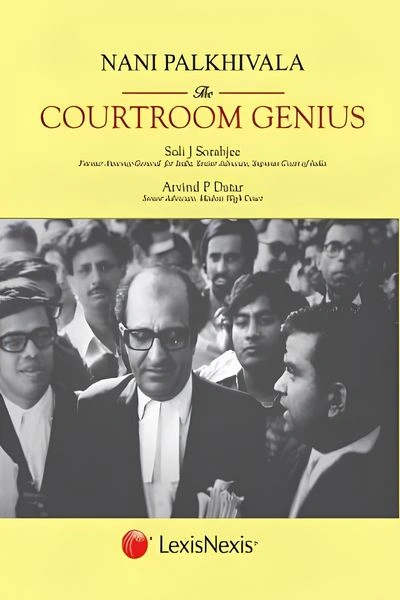
Courtroom Genius by Nani Palkhivala Summary
The following is the summary of Courtroom Genius book by Nani Palkhivala:
Beginning
Courtroom Genius begins by introducing the remarkable legal journey of Nani Palkhivala and his rise as one of India’s greatest constitutional lawyers. The book explains how Palkhivala overcame personal struggles, including speech difficulties during his early years, through hard work, discipline, and deep dedication to law. His passion for constitutional principles, legal reasoning, and advocacy gradually made him one of the most respected lawyers in the country.
The book highlights the importance of courtroom preparation, logical thinking, and understanding constitutional values. Palkhivala’s early legal career reflects how strong knowledge, clarity of argument, and commitment to justice can shape a successful advocate. The opening chapters also discuss the growing importance of the Indian Constitution after independence and the judiciary’s role in protecting democracy and citizens’ rights.
Middle
In the middle section, the book focuses on Palkhivala’s major courtroom arguments and landmark constitutional cases. One of the most important discussions revolves around the Kesavananda Bharati case, where Palkhivala argued for protecting the “Basic Structure” of the Indian Constitution. His arguments helped establish the principle that Parliament cannot alter the basic structure or identity of the Constitution through amendments.
The book explains important constitutional concepts such as judicial review, Fundamental Rights, constitutional supremacy, and separation of powers. Palkhivala strongly defended the idea that the Constitution must remain above political power and that the judiciary should act as the guardian of democratic values.
The narrative also explores Palkhivala’s courtroom style. He was known for his extraordinary memory, deep preparation, logical reasoning, and powerful presentation skills. His arguments were respected not only because of legal knowledge but also because of ethical integrity and constitutional commitment.
The book further highlights how Palkhivala viewed law as a tool for protecting democracy, individual liberty, and constitutional morality rather than merely winning cases.
Ending
In the final section, Courtroom Genius explains the lasting legacy of Nani Palkhivala in Indian constitutional law and legal education. His role in protecting democratic principles during politically sensitive periods made him a symbol of legal courage and constitutional responsibility.
The book concludes by emphasizing that true courtroom brilliance depends not only on intelligence but also on preparation, ethics, clarity of thought, and dedication to justice. Palkhivala’s life becomes an inspiration for law students, advocates, and citizens who believe in democracy and constitutional governance.
The ending also highlights the continuing importance of the judiciary and constitutional institutions in protecting rights and maintaining democratic balance in India. Through detailed discussion of legal arguments, constitutional principles, and courtroom advocacy, Courtroom Genius presents Nani Palkhivala as a lawyer whose contribution went far beyond courtrooms and helped shape the constitutional identity of modern India.
Check out other important Indian Constitution topics here:
Courtroom Genius Short Summary
Courtroom Genius highlights the life, legal brilliance, and constitutional contribution of Nani Palkhivala, one of India’s greatest lawyers. The book explains his rise from a struggling student to a legendary constitutional advocate known for his courtroom skills, preparation, and logical reasoning. It discusses important constitutional concepts such as Fundamental Rights, judicial review, constitutional supremacy, and the Basic Structure Doctrine. Major landmark cases, especially the Kesavananda Bharati case, play a central role in the narrative.
The book also explores the role of the judiciary in protecting democracy and limiting misuse of political power. Palkhivala’s dedication to ethics, constitutional morality, and rule of law makes him an inspiring figure for law students and advocates. The central message of the book is that strong advocacy, deep preparation, and commitment to constitutional values are essential for protecting democracy, justice, and individual freedoms.
Courtroom Genius by Nani Palkhivala PDF
Download the complete Courtroom Genius summary PDF.
About the Author Nani Palkhivala
Nani Palkhivala was one of India’s greatest constitutional lawyers, jurists, and public intellectuals. He became famous for his extraordinary courtroom advocacy, deep constitutional understanding, and powerful legal arguments before the Supreme Court of India. Palkhivala played a historic role in the famous Kesavananda Bharati case, where the Basic Structure Doctrine of the Indian Constitution was established.
His legal brilliance, clarity of thought, and ability to explain complex constitutional issues made him highly respected across the country. Apart from being a lawyer, he was also a writer, economist, and speaker known for his annual budget speeches and public lectures. Palkhivala strongly believed in constitutional morality, protection of Fundamental Rights, and judicial independence.
His contribution to Indian constitutional law remains highly influential. He inspired generations of lawyers and law students through his dedication, preparation, ethical advocacy, and commitment to democracy and the rule of law.
Also check out Nani Palkhivala Moot Court Competition!
Important Personalities and Concepts in Courtroom Genius
1. Nani Palkhivala
Nani Palkhivala is the central personality of the book. He was brilliant, disciplined, ethical, and deeply committed to constitutional values. Known for extraordinary courtroom advocacy and legal reasoning, he symbolizes constitutional morality, judicial protection of democracy, and the power of preparation and knowledge in legal practice.
2. Supreme Court of India
Supreme Court of India plays a major role in the book as the guardian of the Constitution and Fundamental Rights. It symbolizes judicial independence, constitutional balance, and protection of democracy against misuse of political power.
3. Constitution of India
Constitution of India is presented as the foundation of democratic governance and individual liberty. The book emphasizes its supremacy and importance in protecting rights, limiting government power, and maintaining constitutional morality.
4. Kesavananda Bharati Case
Kesavananda Bharati Case is one of the most important constitutional cases discussed in the book. It established the Basic Structure Doctrine, limiting Parliament’s power to amend the Constitution. The case symbolizes protection of constitutional identity and democratic values.
Explore the Amendments to the Indian Constitution here.
5. Fundamental Rights
Fundamental Rights are presented as essential protections for citizens against misuse of state power. The book highlights their importance in preserving liberty, equality, and democratic governance in India.
6. Judicial Review
Judicial review refers to the power of courts to examine laws and government actions for constitutional validity. It symbolizes the judiciary’s role in protecting democracy and constitutional balance.
7. Parliament of India
Parliament of India represents democratic law-making authority. The book discusses its constitutional powers and the importance of maintaining limits through judicial oversight and constitutional principles.
8. Rule of Law
The concept of rule of law emphasizes that everyone, including the government, must follow the Constitution and legal principles. It symbolizes fairness, accountability, and democratic governance.
Central Idea of Courtroom Genius
The central idea of Courtroom Genius is that strong advocacy, constitutional morality, and judicial independence are essential for protecting democracy and citizens’ rights. Through the life and legal career of Nani Palkhivala, the book shows how dedication, preparation, ethics, and legal reasoning can influence constitutional history and safeguard democratic values. It also emphasizes that the Constitution must remain above political power and that courts play a vital role in preserving liberty, justice, and rule of law.
Explore important Legal Education resources here:
| Articles of Indian Constitution | Article 14 of Indian Constitution |
| Article 343 of Indian Constitution | Article 15 of Indian Constitution |
Famous Quotes From Courtroom Genius by Nani Palkhivala
“The Constitution is not a mere lawyers’ document, it is a vehicle of life.”
“Freedom is never in greater danger than when the courts are weak.”
“The greatest safeguard of liberty is an independent judiciary.”
“Law is not only logic; it is also justice.”
“Preparation is the foundation of courtroom excellence.”
“Democracy survives when constitutional values survive.”
“A lawyer’s duty is not merely to win, but to defend justice.”
“Fundamental Rights are the conscience of the Constitution.”
“The rule of law protects citizens from arbitrary power.”
“Knowledge, clarity, and integrity create true advocacy.”
Explore essential Legal Learning resources:
Top Lessons From Nani Palkhivala’s Courtroom Genius
- Preparation Creates Excellence: The book teaches that deep preparation, discipline, and continuous learning are essential for success in law and advocacy.
- Integrity Matters in Legal Practice: Ethics, honesty, and commitment to justice are as important as legal knowledge in becoming a respected lawyer.
- Law Protects Democracy: Strong constitutional principles and judicial independence are necessary to protect citizens’ rights and democratic values.
- Strong Advocacy Can Shape History: Powerful legal arguments and constitutional reasoning can influence important national decisions and legal systems.
- Knowledge Should Serve Society: The book shows that legal knowledge becomes meaningful when it is used to protect justice, liberty, and constitutional morality.
Check out more Law-Related Topics here:
FAQs on Courtroom Genius by Nani Palkhivala

SEO Head
Virendra heads SEO & Content at LPT. A writer at heart, he focuses on building exam-focused content that informs, guides, and supports aspirants in their preparation journey.