
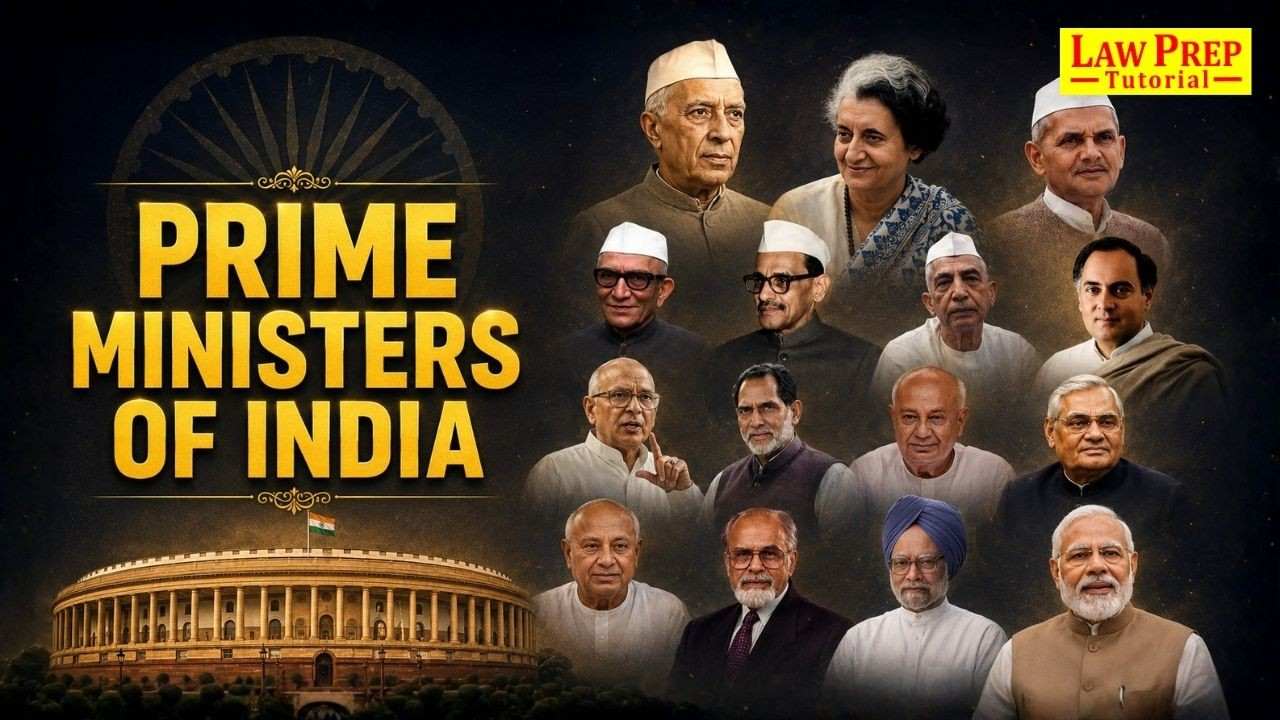

The list of Prime Ministers of India starts with Jawaharlal Nehru, who became the first Prime Minister on 15 August 1947, and continues to Shri Narendra Modi, the current Prime Minister of India. Between them, India has been led by several important leaders, including Lal Bahadur Shastri, Indira Gandhi, Morarji Desai, Rajiv Gandhi, P. V. Narasimha Rao, Atal Bihari Vajpayee, and Manmohan Singh.
Each Prime Minister is linked with a major phase of India’s political journey. The Prime Ministers of India from 1947 to 2026 with tenure are important to learn about first PM, current PM, acting PM, woman PM, longest-serving PM, youngest PM, and party-wise facts.
Prime Ministers of India List (From 1947 to 2026)
This is the list of all PM of India with tenure, party, facts:
| No. | Prime Minister | Tenure | Party | Key Fact |
| 1 | Jawaharlal Nehru | 15 Aug 1947 – 27 May 1964 | Indian National Congress | First and longest-serving Prime Minister of India |
| 2 | Gulzarilal Nanda | 27 May 1964 – 9 Jun 1964 | Indian National Congress | Acting Prime Minister after Nehru’s death |
| 3 | Lal Bahadur Shastri | 9 Jun 1964 – 11 Jan 1966 | Indian National Congress | Known for “Jai Jawan Jai Kisan” |
| 4 | Gulzarilal Nanda | 11 Jan 1966 – 24 Jan 1966 | Indian National Congress | Acting Prime Minister after Shastri’s death |
| 5 | Indira Gandhi | 24 Jan 1966 – 24 Mar 1977 | Indian National Congress | First woman Prime Minister of India |
| 6 | Morarji Desai | 24 Mar 1977 – 28 Jul 1979 | Janata Party | First non-Congress Prime Minister |
| 7 | Charan Singh | 28 Jul 1979 – 14 Jan 1980 | Janata Party (Secular) | Known as a farmers’ leader |
| 8 | Indira Gandhi | 14 Jan 1980 – 31 Oct 1984 | Indian National Congress (I) | Returned as Prime Minister in 1980 |
| 9 | Rajiv Gandhi | 31 Oct 1984 – 2 Dec 1989 | Indian National Congress | Youngest Prime Minister of India |
| 10 | V. P. Singh | 2 Dec 1989 – 10 Nov 1990 | Janata Dal | Known for Mandal Commission implementation |
| 11 | Chandra Shekhar | 10 Nov 1990 – 21 Jun 1991 | Samajwadi Janata Party | Led a short minority government |
| 12 | P. V. Narasimha Rao | 21 Jun 1991 – 16 May 1996 | Indian National Congress | PM during 1991 economic reforms |
| 13 | Atal Bihari Vajpayee | 16 May 1996 – 1 Jun 1996 | Bharatiya Janata Party | First BJP Prime Minister; 13-day government |
| 14 | H. D. Deve Gowda | 1 Jun 1996 – 21 Apr 1997 | Janata Dal | Led United Front government |
| 15 | I. K. Gujral | 21 Apr 1997 – 19 Mar 1998 | Janata Dal | Known for Gujral Doctrine |
| 16 | Atal Bihari Vajpayee | 19 Mar 1998 – 22 May 2004 | Bharatiya Janata Party | Led NDA government; Pokhran-II and Kargil period |
| 17 | Manmohan Singh | 22 May 2004 – 26 May 2014 | Indian National Congress | First Sikh Prime Minister of India |
| 18 | Narendra Modi | 26 May 2014 – Present | Bharatiya Janata Party | Current Prime Minister; third term began in 2024 |
Below are the details of all prime ministers of India:
1. Jawaharlal Nehru
Jawaharlal Nehru was the first Prime Minister of independent India. He took office on 15 August 1947 and remained Prime Minister until 27 May 1964. He is the longest-serving Prime Minister of India by total continuous tenure. Nehru played a major role in shaping India after independence.
His years as Prime Minister saw the building of major institutions, planning-based development, promotion of scientific temper, and a strong focus on parliamentary democracy. For students, Nehru is important because many exam questions come from his tenure, his role as first PM, and his long period in office.
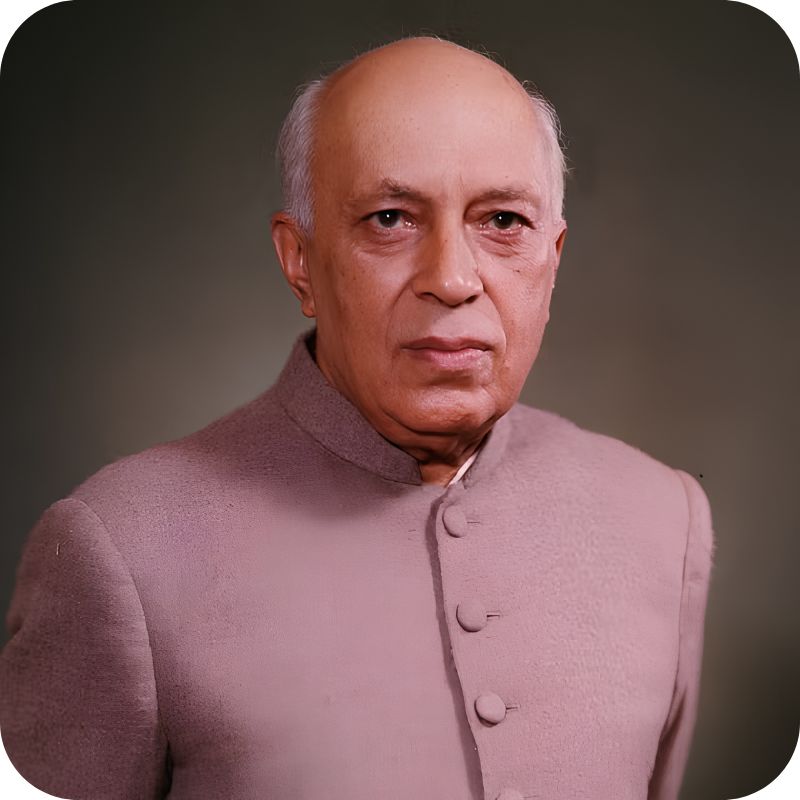
| Point | Detail |
| Full Name | Jawaharlal Nehru |
| Tenure | 15 Aug 1947 – 27 May 1964 |
| Party | Indian National Congress |
| Key Identity | First Prime Minister of India |
| Important Fact | Longest-serving Prime Minister |
2. Gulzarilal Nanda
Gulzarilal Nanda served as Acting Prime Minister of India twice. His first acting term came after the death of Jawaharlal Nehru in 1964, and his second acting term came after the death of Lal Bahadur Shastri in year 1966.
He did not serve as a regular elected Prime Minister for a full term, but his role was important because he helped maintain continuity during sudden political transitions.
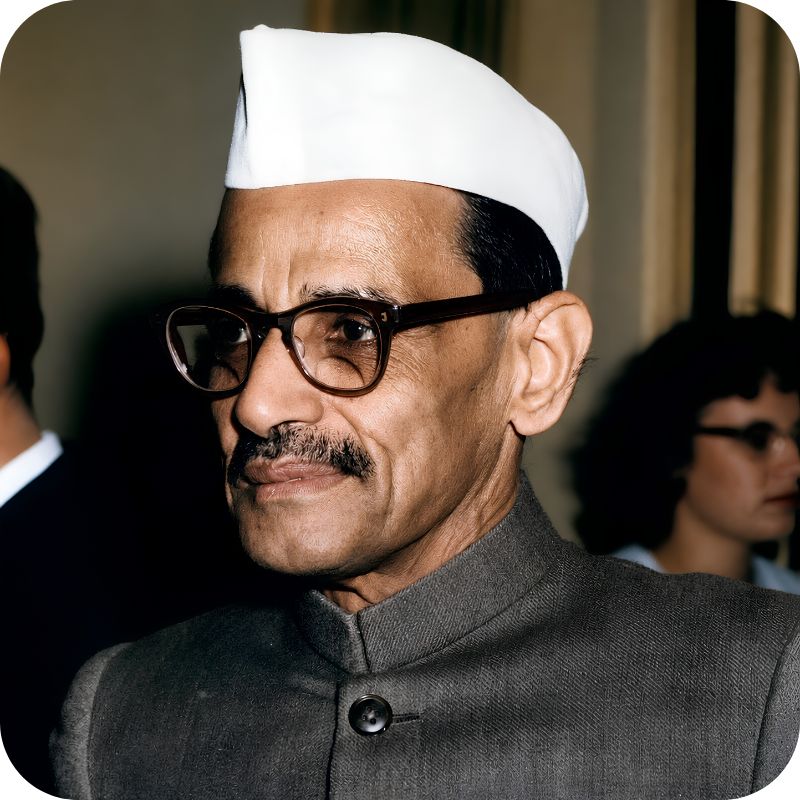
| Point | Detail |
| Full Name | Gulzarilal Nanda |
| Tenure | • 27 May 1964 – 9 Jun 1964 • 11 Jan 1966 – 24 Jan 1966 |
| Party | Indian National Congress |
| Key Identity | Acting Prime Minister twice |
| Important Fact | Took charge after deaths of Nehru and Shastri |
| Exam Point | First Acting Prime Minister of India |
3. Lal Bahadur Shastri
Lal Bahadur Shastri became Prime Minister after Jawaharlal Nehru. He served from 9 June 1964 to 11 January 1966. Though his tenure was short, it was highly important. He led India during the 1965 India-Pakistan war and gave the famous slogan “Jai Jawan Jai Kisan”, which highlighted the importance of soldiers and farmers.
Shastri is remembered for his simplicity, honesty, and strong leadership during a difficult time. For competitive exams, his slogan, tenure, and role during the 1965 war are the most important points.
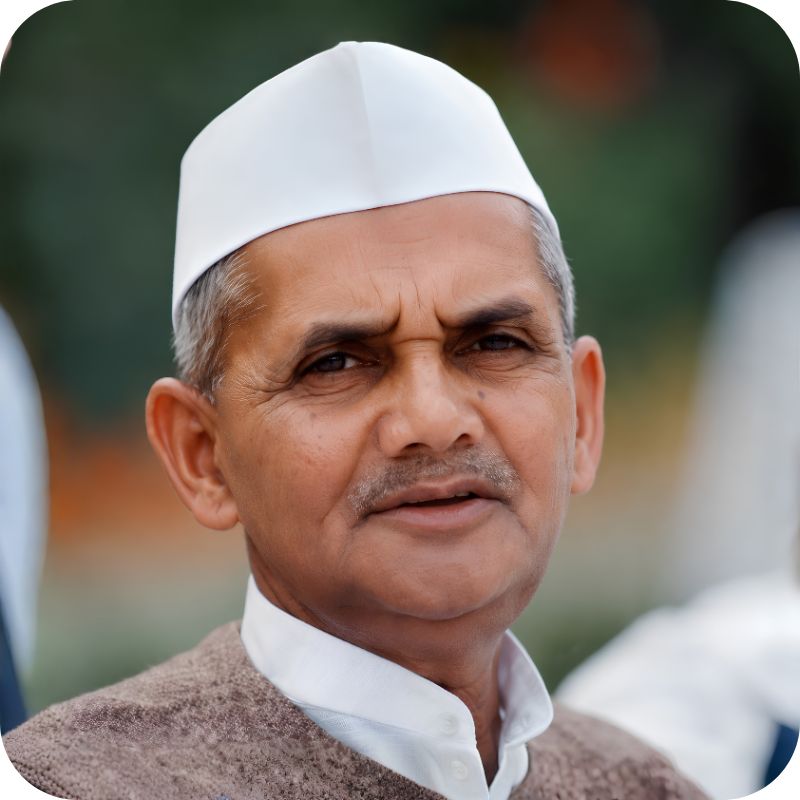
| Point | Detail |
| Full Name | Lal Bahadur Shastri |
| Tenure | 9 Jun 1964 – 11 Jan 1966 |
| Party | Indian National Congress |
| Key Identity | Second regular Prime Minister of India |
| Famous Slogan | Jai Jawan Jai Kisan |
| Exam Point | PM during 1965 India-Pakistan war |
4. Indira Gandhi
Indira Gandhi was the first and only woman Prime Minister of India so far. She served two separate terms: from 1966 to 1977 and again from 1980 to 1984. Her tenure was one of the most powerful and debated periods in Indian politics.
She led India during the 1971 war, after which Bangladesh was created. Her government also saw major events such as bank nationalisation, the Emergency, and Operation Blue Star.
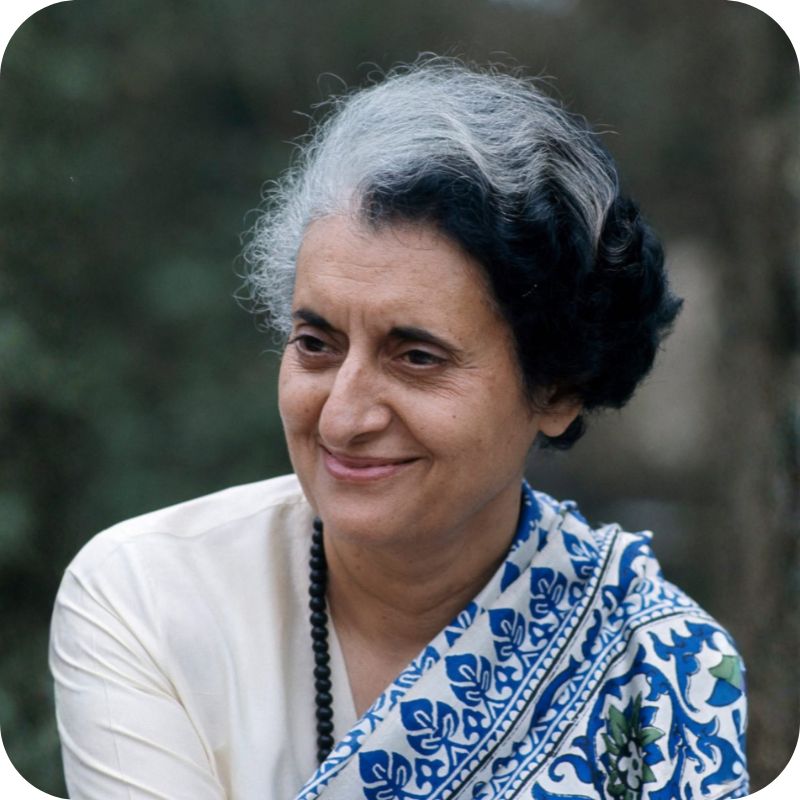
| Point | Detail |
| Full Name | Indira Gandhi |
| Tenure | • 24 Jan 1966 – 24 Mar 1977 • 14 Jan 1980 – 31 Oct 1984 |
| Party | Indian National Congress |
| Key Identity | First woman Prime Minister of India |
| Major Event | 1971 war and creation of Bangladesh |
5. Morarji Desai
Morarji Desai became Prime Minister on 24 March 1977 and served until 28 July 1979. He was the first non-Congress Prime Minister of India and led the Janata Party government after the Emergency period.
His election marked a major political shift because it was the first time the Congress party lost power at the Centre. Desai had a long public life and was known for discipline and administrative experience. He is most important as the first non-Congress PM and the leader of India’s first non-Congress central government.
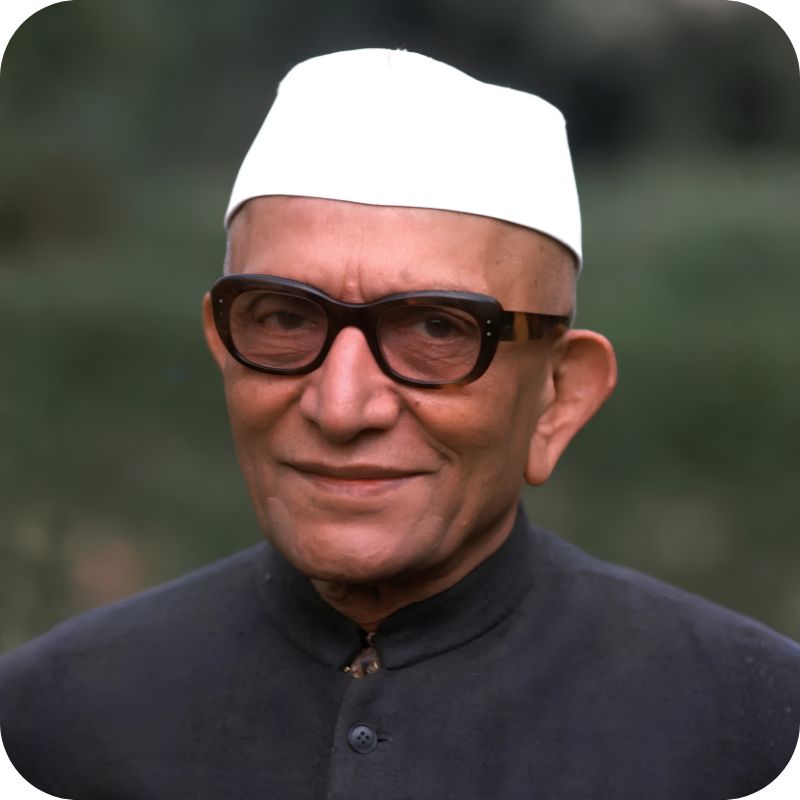
| Point | Detail |
| Full Name | Morarji Desai |
| Tenure | 24 Mar 1977 – 28 Jul 1979 |
| Party | Janata Party |
| Key Identity | First non-Congress Prime Minister |
| Important Context | Came to power after Emergency |
| Exam Point | First major change from Congress rule at Centre |
6. Charan Singh
Charan Singh served as Prime Minister of India from 28 July 1979 to 14 January 1980. He is widely remembered as a leader of farmers and rural India. His political career focused on agrarian issues, land reforms, and the concerns of peasants.
His Prime Ministerial tenure was short, and he resigned before facing Parliament for a vote of confidence. Even with a short tenure, Charan Singh remains important in Indian political history because of his strong association with farmers.
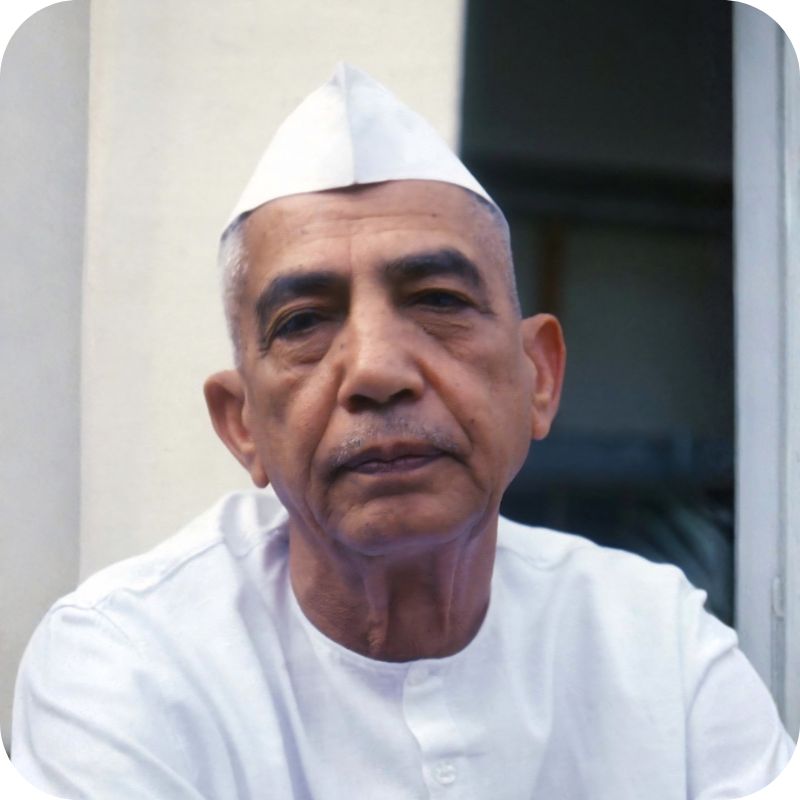
| Point | Detail |
| Full Name | Charan Singh |
| Tenure | 28 Jul 1979 – 14 Jan 1980 |
| Party | Janata Party (Secular) |
| Key Identity | Farmers’ leader |
| Important Fact | Did not face Parliament as PM |
Also check out the Salary of the Prime Minister of India.
7. Rajiv Gandhi
Rajiv Gandhi became Prime Minister of India after the assassination of Indira Gandhi in 1984. He served from 31 October 1984 to 2 December 1989. At the age of 40, he became the youngest Prime Minister of India. His tenure is linked with technology, computerisation, telecom development, and efforts to modernise administration.
He also led the Congress to a huge victory in the 1984 general election. His tenure also saw major political challenges and controversies.
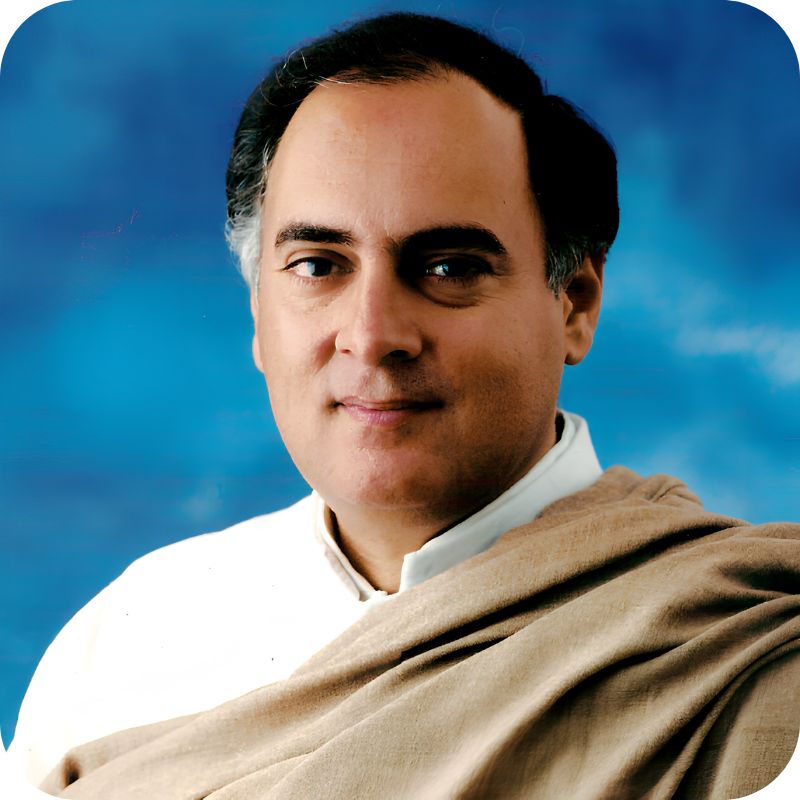
| Point | Detail |
| Full Name | Rajiv Gandhi |
| Tenure | 31 Oct 1984 – 2 Dec 1989 |
| Party | Indian National Congress |
| Key Identity | Youngest Prime Minister of India |
| Important Area | Technology and telecom push |
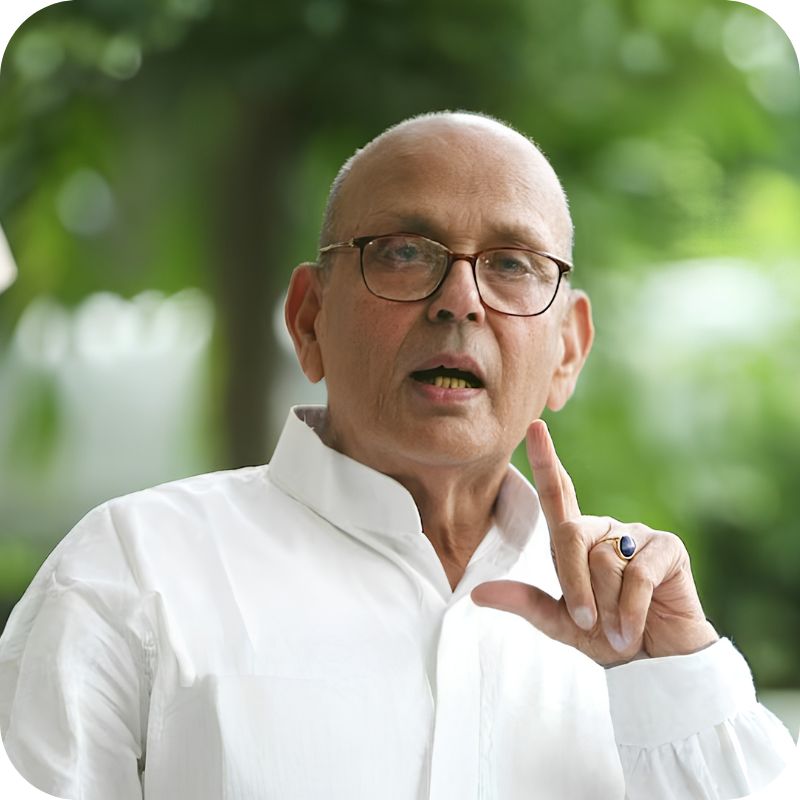
8. V. P. Singh
Vishwanath Pratap Singh, commonly known as V. P. Singh, served as Prime Minister from 2 December 1989 to 10 November 1990. His tenure was short but highly important in Indian politics. He is best known for implementing the Mandal Commission recommendations, which expanded reservations for Other Backward Classes in central government jobs.
This decision deeply influenced Indian politics and social justice debates. V. P. Singh led the Janata Dal government with outside support.
| Point | Detail |
| Full Name | Vishwanath Pratap Singh |
| Tenure | 2 Dec 1989 – 10 Nov 1990 |
| Party | Janata Dal |
| Key Identity | PM linked with Mandal Commission |
| Major Decision | OBC reservation implementation |
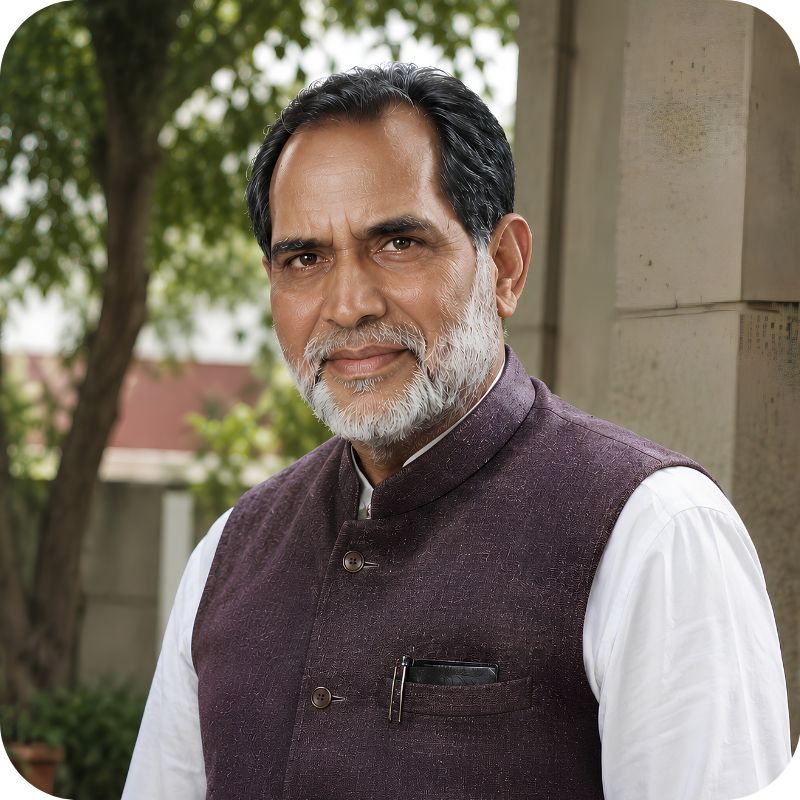
9. Chandra Shekhar
Chandra Shekhar served as Prime Minister from 10 November 1990 to 21 June 1991. He led a minority government with outside support from the Congress party. His tenure came during a difficult economic and political period. India was facing a serious balance of payments crisis, and the political environment was unstable.
Though his term was short, it was part of the important transition period before the 1991 economic reforms. Chandra Shekhar had earlier been known as a socialist leader and a strong parliamentarian.
| Point | Detail |
| Full Name | Chandra Shekhar |
| Tenure | 10 Nov 1990 – 21 Jun 1991 |
| Party | Samajwadi Janata Party |
| Key Identity | Led a minority government |
| Important Context | Economic crisis period |
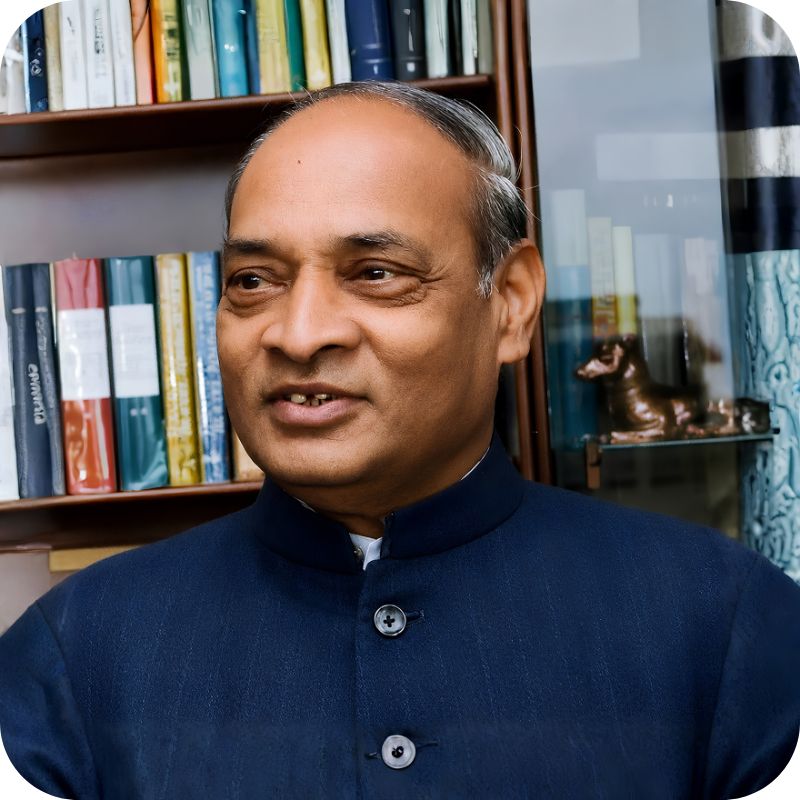
10. P. V. Narasimha Rao
P. V. Narasimha Rao served as Prime Minister from 21 June 1991 to 16 May 1996. His tenure is one of the most important in modern Indian history because it saw the launch of major economic reforms in 1991.
Along with Finance Minister Dr. Manmohan Singh, his government introduced liberalisation, privatisation, and globalisation policies that changed India’s economic direction. Rao was also known for his administrative experience and command over several languages.
| Point | Detail |
| Full Name | P. V. Narasimha Rao |
| Tenure | 21 Jun 1991 – 16 May 1996 |
| Party | Indian National Congress |
| Key Identity | PM during 1991 economic reforms |
| Finance Minister | Dr. Manmohan Singh |
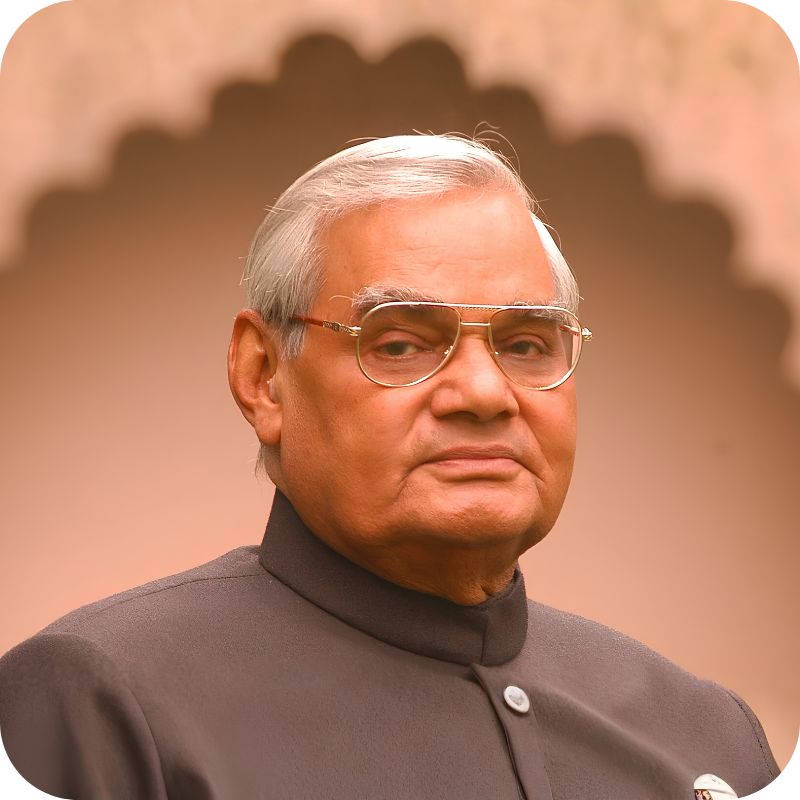
11. Atal Bihari Vajpayee
Atal Bihari Vajpayee served as Prime Minister three times: briefly in 1996, and then from 1998 to 2004. He was the first Prime Minister from the Bharatiya Janata Party. His first government in 1996 lasted only 13 days.
Later, he led the National Democratic Alliance government. His tenure is linked with the Pokhran-II nuclear tests in 1998, the Kargil War in 1999, the Golden Quadrilateral highway project, and coalition politics. Vajpayee was also admired for his speeches and parliamentary style. He was the first BJP Prime Minister and a major coalition-era leader.
| Point | Detail |
| Full Name | Atal Bihari Vajpayee |
| Tenure | • 16 May 1996 – 1 Jun 1996 • 19 Mar 1998 – 22 May 2004 |
| Party | Bharatiya Janata Party |
| Key Identity | First BJP Prime Minister |
| Major Events | Pokhran-II, Kargil War |
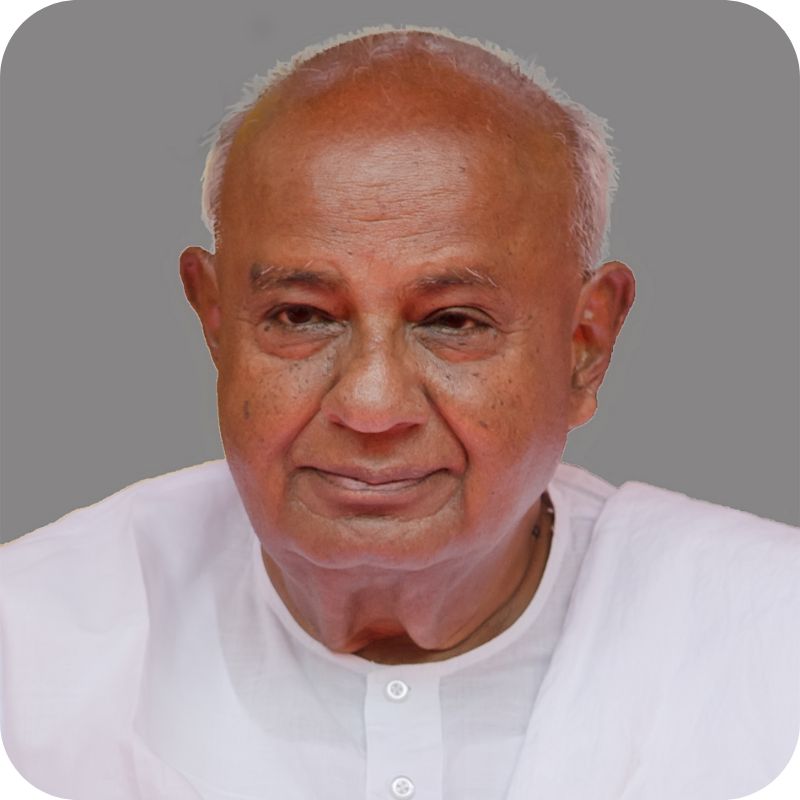
12. H. D. Deve Gowda
H. D. Deve Gowda served as Prime Minister from 1 June 1996 to 21 April 1997. He led the United Front government after the 1996 general election. Before becoming Prime Minister, he had served as Chief Minister of Karnataka.
His tenure was part of the coalition era of Indian politics, when no single party had a clear majority at the national level. Though his term was short, it is important because it reflected the rising role of regional parties in national government.
| Point | Detail |
| Full Name | Haradanahalli Doddegowda Deve Gowda |
| Tenure | 1 Jun 1996 – 21 Apr 1997 |
| Party | Janata Dal |
| Key Identity | United Front Prime Minister |
| Earlier Role | Chief Minister of Karnataka |
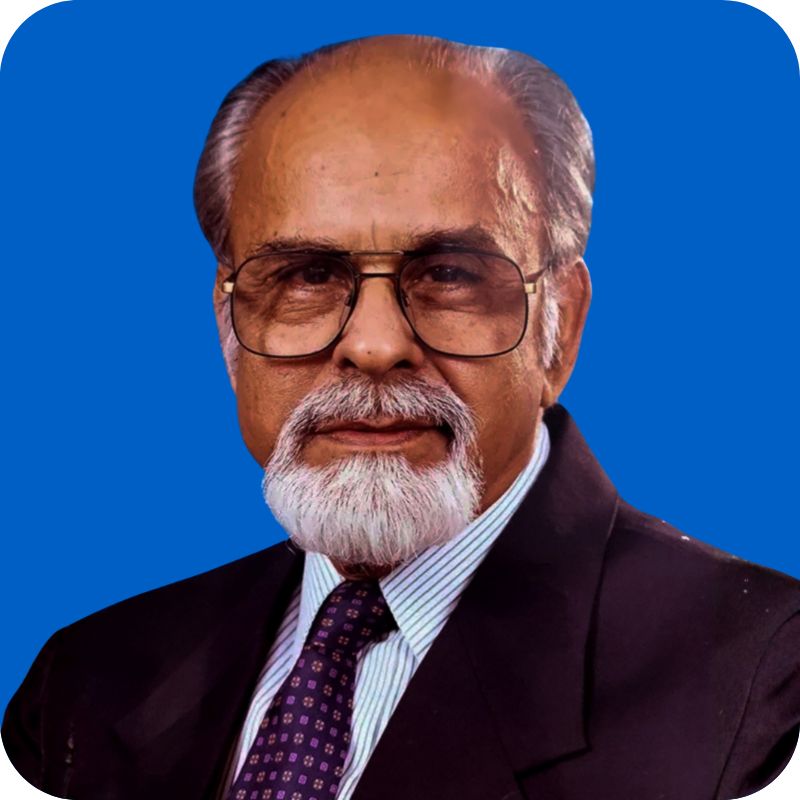
13. I. K. Gujral
Inder Kumar Gujral served as Prime Minister from 21 April 1997 to 19 March 1998. He also led a United Front government. Gujral is best known for the Gujral Doctrine, a foreign policy approach focused on improving relations with India’s neighbours through trust and goodwill.
Before becoming Prime Minister, he had held important roles in foreign affairs and diplomacy. His tenure was short, but his name remains important in India’s foreign policy history.
| Point | Detail |
| Full Name | Inder Kumar Gujral |
| Tenure | 21 Apr 1997 – 19 Mar 1998 |
| Party | Janata Dal |
| Key Identity | United Front Prime Minister |
| Famous Policy | Gujral Doctrine |
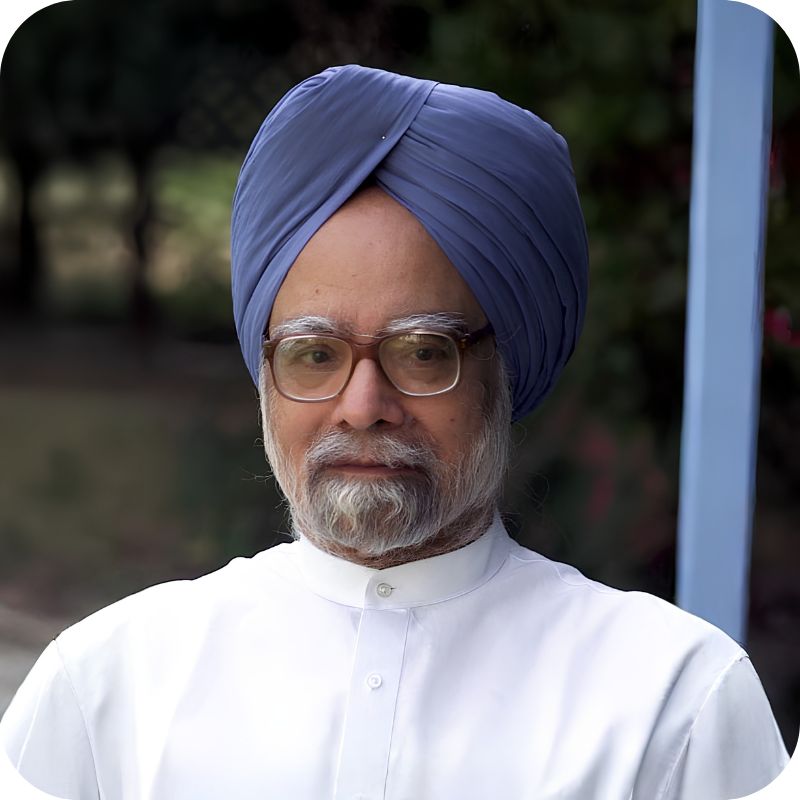
14. Manmohan Singh
Dr. Manmohan Singh served as Prime Minister from 22 May 2004 to 26 May 2014. He was the first Sikh Prime Minister of India. Before becoming PM, he had served as Finance Minister and played a major role in the 1991 economic reforms.
As Prime Minister, he led the United Progressive Alliance government for two terms. His tenure saw high economic growth in the early years, the Right to Information Act, MGNREGA, and the India-US Civil Nuclear Agreement.
| Point | Detail |
| Full Name | Dr. Manmohan Singh |
| Tenure | 22 May 2004 – 26 May 2014 |
| Party | Indian National Congress |
| Key Identity | First Sikh Prime Minister |
| Earlier Role | Finance Minister during 1991 reforms |
| Exam Point | PM for two full terms |
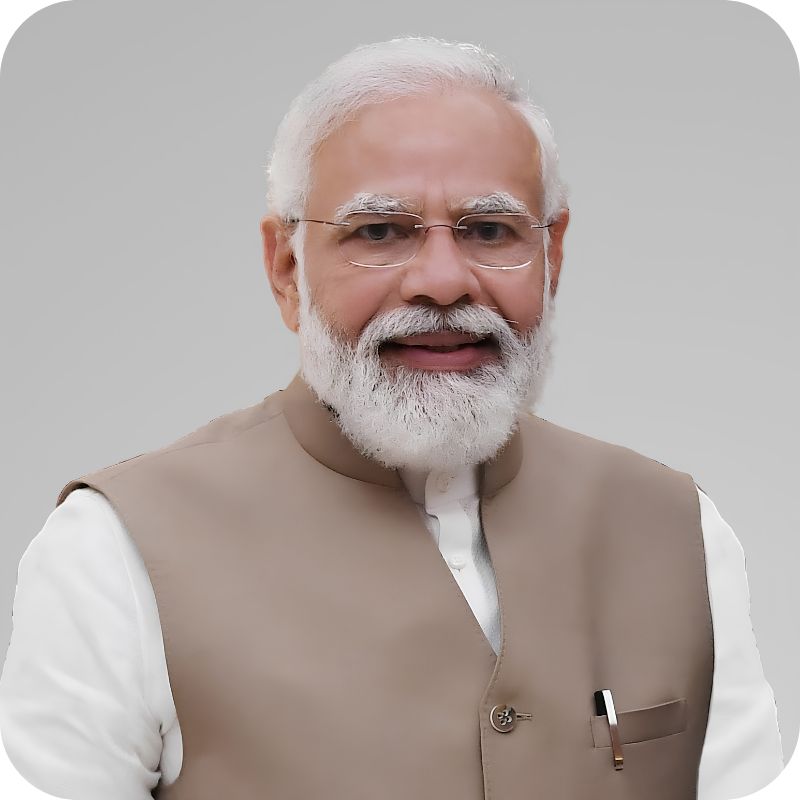
15. Narendra Modi
Shri Narendra Modi is the current Prime Minister of India. He first became Prime Minister on 26 May 2014, returned for a second term in 2019, and was sworn in for a third term on 9 June 2024. Before becoming Prime Minister, he served as the Chief Minister of Gujarat.
His tenure as PM is linked with schemes and campaigns such as Swachh Bharat, Digital India, Make in India, Jan Dhan Yojana, Ujjwala Yojana, and major policy decisions. He is one of India’s longest-serving Prime Ministers.
| Point | Detail |
| Full Name | Shri Narendra Modi |
| Tenure | 26 May 2014 – Present |
| Party | Bharatiya Janata Party |
| Key Identity | Current Prime Minister of India |
| Third Term | Began on 9 June 2024 |
Checkout more GK related topics:
| National Language of India | Is Delhi State or Union Territory? |
| Indian Vice President Salary | Indian President Salary |
First Prime Minister of India
Jawaharlal Nehru was the first Prime Minister of India on 15 August 1947, when the country had just come out of British rule and Partition. The early years were full of major challenges, including refugee rehabilitation, integration of princely states, food shortage, poverty, institution-building, and setting up a democratic system.
Nehru’s government focused on planning, public sector growth, higher education, scientific institutions, foreign policy, and parliamentary democracy. His period shaped the basic structure of independent India’s governance.
Current Prime Minister of India
Shri Narendra Modi is the current Prime Minister of India. He first took office on 26 May 2014, returned for a second term in 2019, and began his third term on 9 June 2024.
Before becoming Prime Minister, he served as the Chief Minister of Gujarat. His tenure is linked with several major schemes and policy areas, including Digital India, Swachh Bharat Mission, Jan Dhan Yojana, Ujjwala Yojana, Make in India, Ayushman Bharat, infrastructure growth, and India’s growing global role.
Acting Prime Ministers of India
| Acting Prime Minister | Period | Reason |
| Gulzarilal Nanda | 27 May 1964 – 9 June 1964 | After the death of Jawaharlal Nehru |
| Gulzarilal Nanda | 11 January 1966 – 24 January 1966 | After the death of Lal Bahadur Shastri |
Check out other important Indian Constitution topics here:
| Constitution of India: All details | Schedules of Indian Constitution |
| Salient Features of Indian Constitution | Facts About Indian Constitution |
| Preamble to Indian Constitution | Parts of Indian Constitution |
Women Prime Ministers of India
| Prime Minister | Tenure |
| Indira Gandhi | 24 January 1966 – 24 March 1977 |
| Indira Gandhi | 14 January 1980 – 31 October 1984 |
Longest-Serving Prime Ministers of India
| Rank | Prime Minister | Total Tenure |
| 1 | Jawaharlal Nehru | 16 years, 286 days |
| 2 | Indira Gandhi | 15 years, 350 days |
| 3 | Narendra Modi | 12+ Years |
| 4 | Manmohan Singh | 10 years, 4 days |
| 5 | Atal Bihari Vajpayee | About 6 years |
Note: Narendra Modi’s tenure is still continuing, so his total tenure will keep increasing.
Constitutional Position of Indian Prime Minister
- The Prime Minister is appointed by the President of India.
- The Prime Minister is usually the leader of the majority party or coalition in the Lok Sabha.
- Article 74 provides for a Council of Ministers with the Prime Minister at the head to aid and advise the President.
- Article 75 says the Prime Minister is appointed by the President, and other ministers are appointed on the advice of the Prime Minister.
- The Council of Ministers is collectively responsible to the Lok Sabha.
- The Prime Minister leads the Union Council of Ministers.
- The Prime Minister allocates portfolios to ministers and can recommend their removal.
- The Prime Minister chairs Cabinet meetings and coordinates the work of ministries.
- The Prime Minister acts as the main link between the President and the Council of Ministers.
- The Prime Minister represents India in major national and international matters.
Read More Important GK Topics:
| General Knowledge: Complete Guide | Extinct & Endangered Animals in India |
| Extinct Species of Plants in India & World |
FAQs About Prime Ministers of India
Jawaharlal Nehru was the first Prime Minister of India. He took office on 15 August 1947.
Shri Narendra Modi is the current Prime Minister of India. He first became Prime Minister in 2014 and began his third term on 9 June 2024.
Fourteen individuals have served as Prime Minister of India so far. Some Prime Ministers served more than once, so the number of terms is higher.
Indira Gandhi was the first woman Prime Minister of India. She served from 1966 to 1977 and again from 1980 to 1984.
Morarji Desai was the first non-Congress Prime Minister of India. He became Prime Minister in 1977.
Atal Bihari Vajpayee was the first Prime Minister of India from the Bharatiya Janata Party.
Rajiv Gandhi was the youngest Prime Minister of India. He became Prime Minister at the age of 40.
Jawaharlal Nehru is the longest-serving Prime Minister of India. He served from 1947 to 1964.
P. V. Narasimha Rao was the Prime Minister during the 1991 economic reforms. Dr. Manmohan Singh was the Finance Minister at that time.
Dr. Manmohan Singh was the Prime Minister of India before Shri Narendra Modi. He served from 2004 to 2014.
Lal Bahadur Shastri gave the slogan “Jai Jawan Jai Kisan.”
Explore important Legal Education resources here:
| Articles of Indian Constitution | Article 14 of Indian Constitution |
| Article 343 of Indian Constitution | Article 15 of Indian Constitution |
Checkout more Law-Related Topics here:
Explore essential Legal Learning resources: